Should You Put PPF on a Leased Car in Nashville, TN? Lease Rules, Lease-End Fees & Smart Coverage
If you lease a car in Nashville, the paint isn't really yours. You're borrowing it for 24 to 48 months, and at turn-in someone will walk around it with a checklist. Every rock chip from I-65, every bumper scuff from a downtown parking garage, and every faded spot from a Tennessee summer can show up on that checklist as a charge.
So should you put paint protection film (PPF) on a leased car? For most Nashville-area drivers leasing a new vehicle for 36 months or longer, yes. Targeted PPF coverage is usually allowed on a lease, it can be removed cleanly at turn-in, and it protects the panels lease inspectors look at hardest. This guide explains how PPF works on a lease, what coverage makes sense for your term, how lease-end damage charges compare to the cost of protection, and when PPF isn't worth it.
The Short Answer: Is PPF Worth It on a Leased Car?
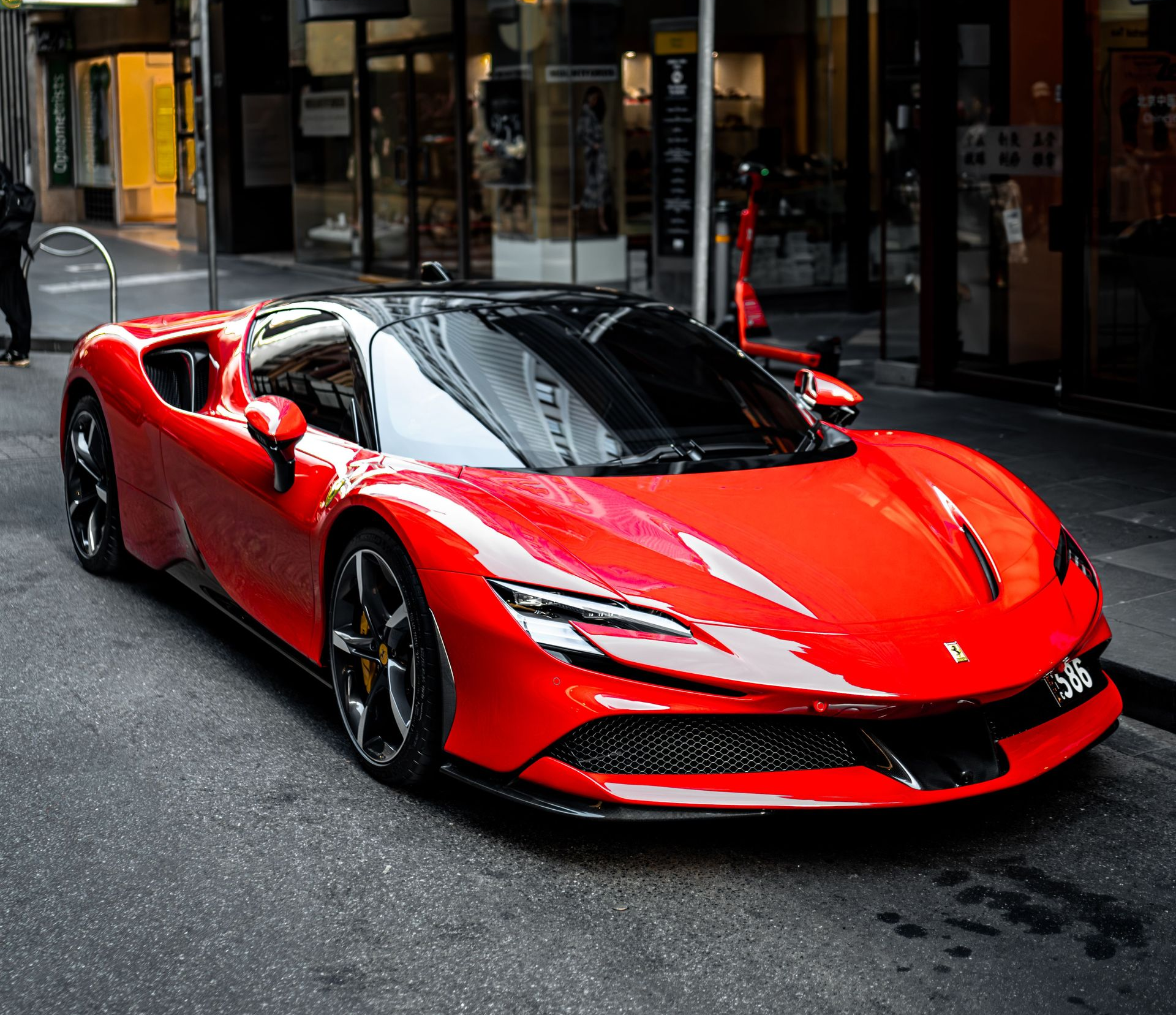
In most cases, yes. Paint protection film is a non-permanent, removable modification. It doesn't change the vehicle's structure, drill holes, or alter the factory paint. Most lessors treat clear PPF the same way they treat removable floor mats or a phone mount: acceptable as long as the vehicle comes back in proper condition.
That said, every lease contract is different. Before installation, take two simple steps:
- Read the "alterations" or "modifications" section of your lease agreement.
- Call your leasing company or captive finance arm (the manufacturer's finance company) and ask whether clear PPF needs to be removed before return.
One exception worth flagging: color-changing films, such as LLumar Select Black PPF, change the look of the car. On a lease, that's the kind of modification you should get written approval for and plan to remove before turn-in. Clear gloss film is the safer choice for most leased vehicles.
Does PPF Void My Factory Warranty?
No. Clear PPF installed on painted surfaces doesn't void a manufacturer's warranty. Federal law in the U.S. generally prevents manufacturers from voiding a warranty simply because an aftermarket product was added, unless that product caused the specific defect. PPF sits on top of the clear coat and doesn't interact with mechanical or electrical systems.
Why Leased Cars Take a Beating on Nashville Roads
Middle Tennessee is hard on paint. Even drivers who are careful with their cars rarely make it through a lease without visible front-end damage. Here's why:
- Interstate debris: Daily commutes on I-65, I-24, I-40, and I-440 mean high-speed travel behind trucks and gravel haulers. Every pebble kicked up at 70 mph hits your bumper and hood.
- Nonstop construction: Nashville's growth means constant road work, loose aggregate, and fresh asphalt chips across Davidson, Williamson, and Rutherford counties.
- Rural back roads: Gravel and loose stone on roads around Brentwood, Franklin, Nolensville, and Fairview are especially rough on rocker panels and lower doors.
- Tennessee UV and heat: Long, hot summers speed up paint oxidation, and bug splatter and bird droppings can etch clear coat quickly in the heat.
- Tight parking: Downtown garages, The Gulch, and busy lots in Cool Springs lead to door dings and bumper scuffs.
A single rock chip might seem minor, but a lease inspection looks at the total picture. A hood peppered with chips can quickly cross the line from "normal wear" to "excess wear."
How Lease-End Wear-and-Tear Charges Work
When you return a leased vehicle, an inspector (often a third-party company hired by the lessor) checks the exterior, interior, tires, and glass. Most leasing companies publish a wear-and-tear guide that explains what counts as acceptable. Many use a small measuring template to judge whether scratches and dents are within limits.
Common exterior items that can lead to charges include:
- Clusters of chips on the hood or front bumper
- Chips or scratches that go through the paint to primer or metal
- Scratches longer than the lessor's allowed length
- Scuffs and curb rash on the lower bumper
- Paint that needs refinishing or panel repainting
The catch is that repairs are billed at body-shop rates. A professional repaint of a front bumper or hood can easily cost more than a protective film package. Even if you fix the damage yourself before turn-in, you're still paying for paint work on a car you're about to hand back.
PPF vs. Paying Lease-End Damage Fees
Here's how the main options compare for a typical Nashville lease.
| Option | Upfront Cost | Rock Chip Protection | Risk of Lease-End Paint Charges | Best For |
|---|---|---|---|---|
| No protection | None | None | Highest, especially for highway commuters | Short, low-mileage leases |
| Ceramic coating only | Moderate | None | Still high for chips; helps with stains and gloss | Easy washing, light driving |
| Full front PPF | Moderate | Hood, bumper, fenders, mirrors | Much lower on front-end panels | Most Nashville commuters |
| Full front + Track Pack | Moderate to higher | Front end plus rockers, A-pillars, roof edge | Low across high-impact areas | Highway miles, trucks, SUVs |
| Full body PPF | Highest | Every painted panel | Lowest | Luxury, exotic, and EV leases; likely buyouts |
The key point: ceramic coating makes a car easier to clean and adds gloss, but it doesn't stop rock chips. Only PPF puts a physical barrier between road debris and your paint.
Which PPF Coverage Makes Sense for Your Lease Term?
Coverage should match how long you'll have the car, how you drive it, and whether you might buy it out.
| Lease Situation | Recommended Coverage | Why |
|---|---|---|
| 24-month lease, low miles | Full front or partial front | Protects the most-inspected panels at the lowest cost |
| 36-month lease, daily I-65/I-24 commute | Full front PPF | Covers the hood and bumper where chips build up |
| 39 to 48-month lease, high mileage | Full front + Track Pack | Adds rockers and A-pillars that take gravel hits over time |
| Luxury, performance, or EV lease | Full body PPF | Expensive paint and panels make any repair costly |
| Planning to buy out the lease | Full body or full front + Track Pack | You'll keep the car, so you protect its resale value too |
When a Short Lease Might Not Need PPF
If you're on a 24-month lease, drive mostly around town, and park in a garage, the protection may not pay for itself. In that case, a high-quality ceramic coating or simply careful driving might be enough. An honest installer should tell you when PPF doesn't make sense, and we do.
When Planning a Buyout Changes the Equation
Many drivers decide near the end of their lease that they'd rather keep the car. If there's a real chance you'll buy out your lease, PPF protects your future equity. Paint in original condition helps with resale and trade-in value down the road, and the film can stay on for years of continued protection.
Should You Remove PPF Before Returning a Leased Car?
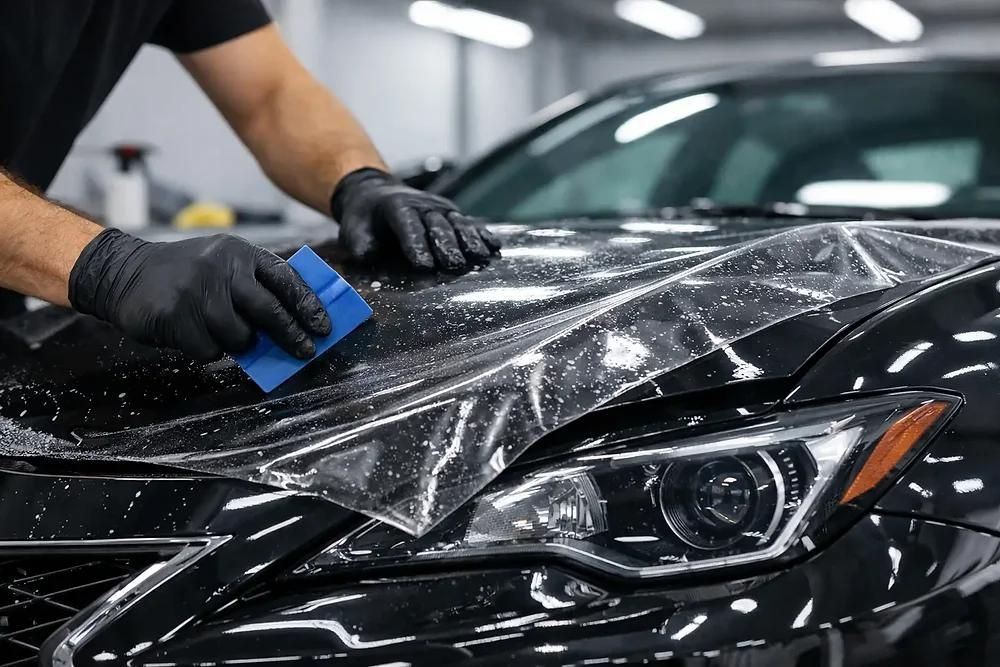
It depends on your lessor. Some leasing companies are fine with clear PPF left in place, since it's nearly invisible and protecting the paint underneath. Others prefer the vehicle returned in factory condition. Ask your lessor directly before your turn-in date.
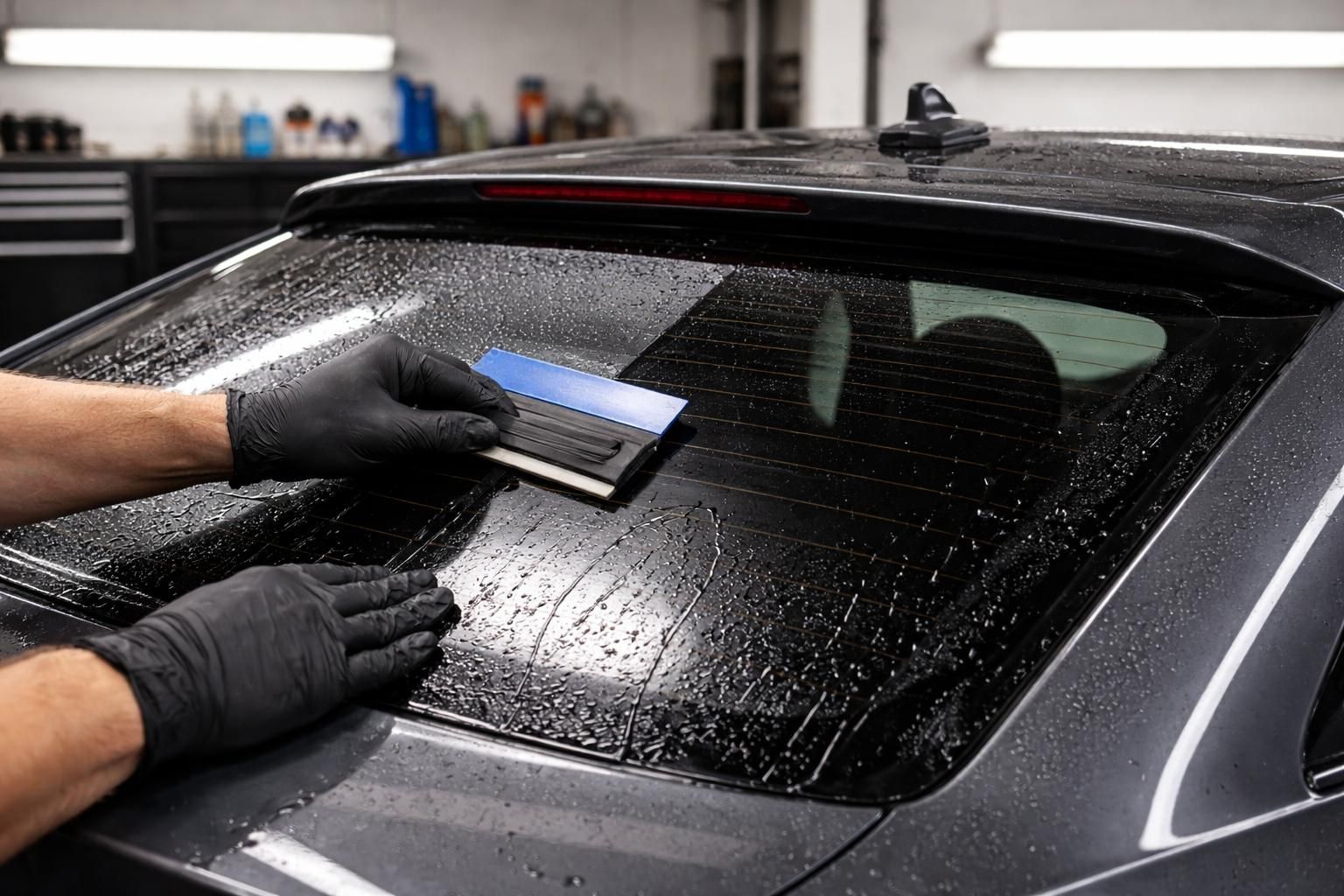
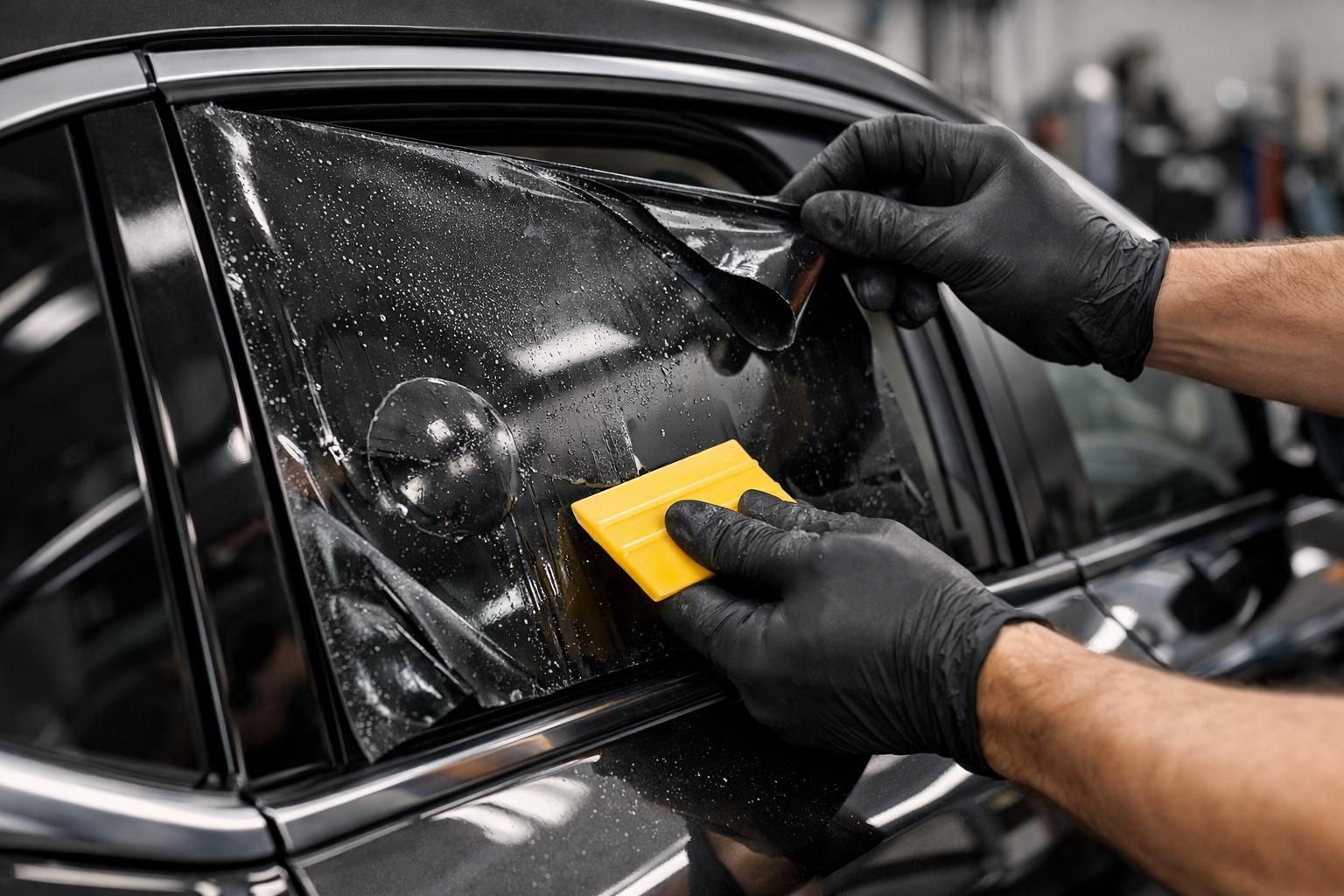
If removal is required, have it done professionally. Quality PPF installed on factory paint is designed to come off cleanly when it's warmed and peeled correctly. Pulling film off yourself, especially in cold weather, can leave adhesive residue or, on any previously repainted panel, lift paint. Schedule removal a week or two before your inspection so there's time to clean and inspect the paint underneath.
How to Add PPF to a Leased Car the Right Way
Getting PPF right on a leased vehicle is mostly about timing and quality. Here's the process we recommend.
Install PPF as Soon as Possible After Delivery
The best time to apply PPF is right after you take delivery, before your first highway trip. Film can only protect paint that's still undamaged. Chips that already exist will be sealed under the film and still visible at inspection.
Check Your Lease Agreement First
Confirm that removable film is allowed and whether it needs to come off at turn-in. Keep a note of what your leasing company said.
Choose Coverage Based on Your Driving, Not Just Your Budget
A long I-65 commute calls for full front coverage at minimum. If you drive gravel roads or own a truck or SUV, adding rocker panel protection is often worth it.
Use a Premium, Removable Film
Cheap film can yellow, crack, or leave heavy adhesive behind when removed. A premium film like LLumar's Platinum Gloss, Platinum Extra, or Valor is engineered for optical clarity, stain resistance, self-healing, and clean removal.
Choose a Certified Installer
Computer-cut patterns, careful surface prep, and experienced hand finishing are what separate a factory-looking install from one with lifted edges and bubbles. Installer skill also affects how cleanly the film comes off later.
PPF vs. Ceramic Coating for a Leased Car
Many leaseholders ask whether a ceramic coating is enough. The two products do different jobs:
- PPF is a physical urethane barrier that absorbs rock chips, scratches, and abrasion. Light swirl marks self-heal with heat from the sun or warm water.
- Ceramic coating is a chemical layer that adds gloss, repels water and grime, and makes washing easier. It does not stop chips.
For a lease, PPF does the heavy lifting because chips are what drive most paint charges. If you want the best of both, apply PPF to high-impact areas and ceramic coating over the rest of the car. LLumar Valor PPF is also a strong middle path, combining impact protection with a slick, easy-to-wash surface.
Why Nashville Drivers Trust Music City Window Tinting for PPF
Music City Window Tinting has served the Nashville, Brentwood, and Franklin areas for more than 30 years from our shop on Crossroads Blvd in Brentwood. We're an exclusive LLumar SelectPro dealer, a status LLumar awards only to dealers who meet its customer experience standards, and LLumar named us its 2020 Southeast Automotive Film Dealer of the Year.
Here's what that means for your leased vehicle:
- Premium film only: We install LLumar PPF backed by a 10-year manufacturer warranty against yellowing, cracking, peeling, and bubbling. We don't install budget film.
- Flexible packages: Choose Full Front, Track Pack, Full Body, or a custom plan sized to your lease term and driving habits.
- Experience you can see: Our team has completed more than 10,000 PPF installations, and our Google rating averages 5.0 stars.
- Honest recommendations: If PPF doesn't make sense for your lease, we'll tell you.
- Local service area: We serve Williamson, Davidson, and Rutherford counties, including Nashville, Brentwood, Franklin, Nolensville, Smyrna, La Vergne, Murfreesboro, and Fairview.
Frequently Asked Questions About PPF on Leased Cars
Can I put PPF on a leased car in Tennessee?
Yes. Clear PPF is a removable, non-permanent product, and most lease agreements allow it. Check the modifications section of your lease and confirm with your leasing company whether it needs to be removed before turn-in.
Will PPF help me avoid lease-end damage charges?
It can significantly reduce them. PPF prevents the rock chips and scratches on the hood, bumper, and fenders that commonly lead to excess wear charges. It won't prevent dents, curb rash on wheels, or interior damage.
Do I have to remove PPF before returning my lease?
Not always. Some lessors accept clear PPF left in place, while others want the car returned in factory condition. Ask your lessor, and if removal is required, have it done professionally a week or two before inspection.
Will removing PPF damage the factory paint?
When quality film is removed correctly from factory paint, it typically comes off cleanly. Damage risk goes up with cheap film, DIY removal in cold weather, or panels that were previously repainted.
How much PPF do I need on a leased car?
For most Nashville commuters on a 36-month lease, full front coverage (hood, bumper, fenders, and mirrors) is the sweet spot. High-mileage drivers, truck and SUV owners, and anyone considering a buyout should consider adding Track Pack or full body coverage.
How long does PPF installation take?
A partial or full front installation typically takes about a day. A full body installation may take two to three days. We'll give you a specific timeline during your consultation.
Is ceramic coating enough for a leased car?
Not for rock chips. Ceramic coating adds gloss and makes cleaning easier, but it doesn't stop impact damage. PPF is the product that protects against the chips lease inspectors flag.
Protect Your Lease Before the First Rock Chip
A leased car comes with a built-in deadline and a built-in inspection. Paint protection film is one of the simplest ways to return your vehicle without surprise paint charges, and if you decide to buy it out, you'll own a car with paint that still looks new. The key is to install quality film early, match the coverage to your lease term, and work with an installer who knows how it should come off at turn-in.
Ready to protect your leased vehicle? Call Music City Window Tinting at (615) 260-3838 or request a free PPF estimate online. Visit our Brentwood shop at 7107 Crossroads Blvd, Suite 107 & 108, Monday through Friday, 8am to 5pm, and our team will recommend the right LLumar coverage for your car, your commute, and your lease.