What's the Best Paint Protection for New Cars in Nashville? A Brentwood Owner's Guide
Driving a brand-new car off the lot in Brentwood or Nashville comes with an immediate temptation: keep it looking exactly like this, for as long as possible. Between Middle Tennessee's gravel-heavy interstates, spring pollen, road salt in winter, and intense summer UV, factory paint faces a lot before its first oil change. So new owners naturally ask — what's actually the best paint protection for a new car here, paint protection film, ceramic coating, or both?
At Music City Window Tinting, a LLumar SelectPro Dealer, LLumar Paint Protection Film installer, and Gtechniq Accredited ceramic coating installer, this is the single most common question we get from new-car owners across Brentwood, Nashville, and Franklin. The honest answer depends on what you're protecting against and how long you plan to keep the car — but there is a clear, evidence-based way to decide. Here's how to think it through.
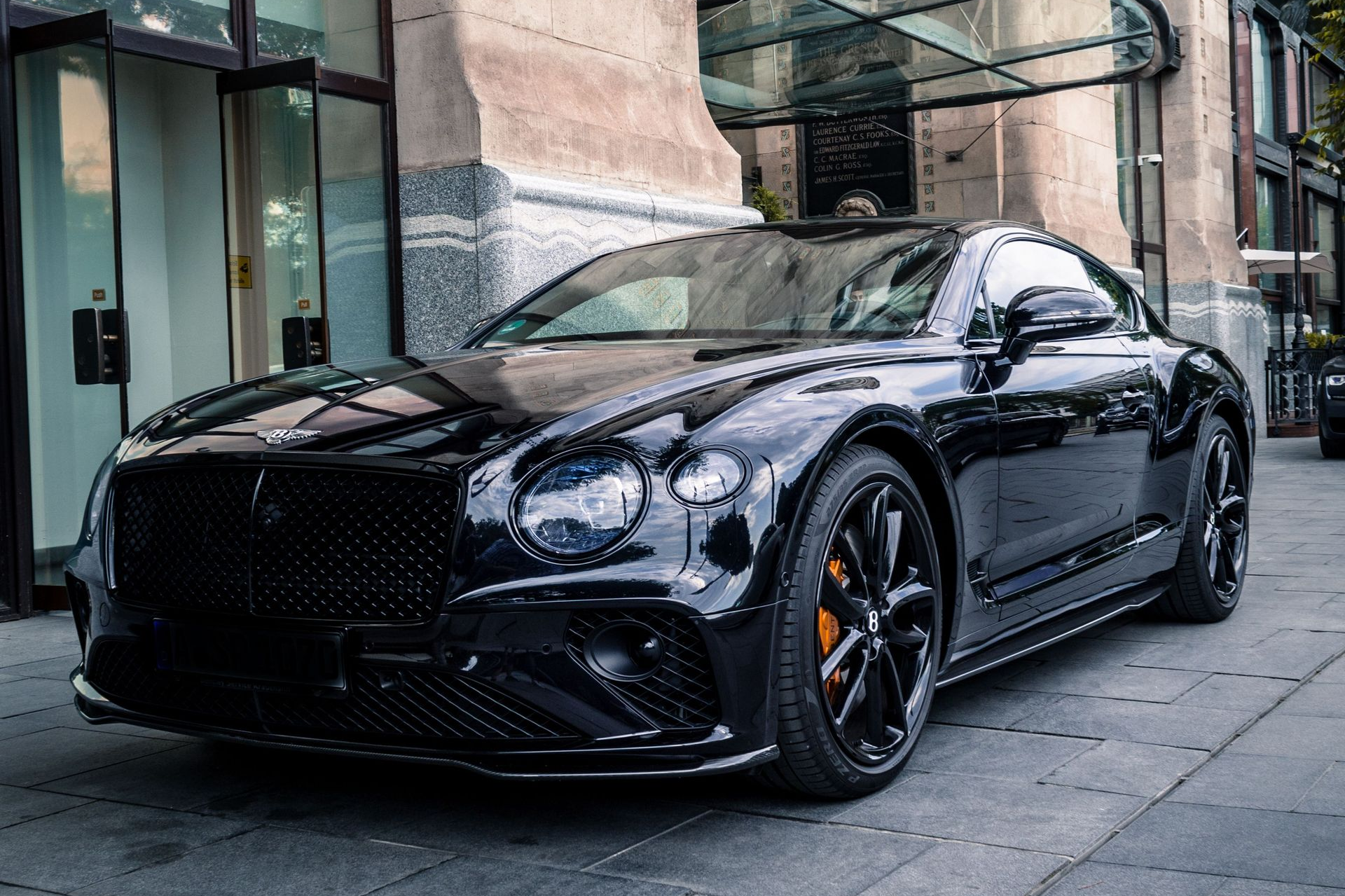
Why New Cars Need Protection Before the First Scratch Happens
Factory clear coat looks flawless on delivery day, but it starts accumulating damage almost immediately — much of it invisible at first. Common early threats in the Nashville area include:
- Rock chips and road debris kicked up on I-65, I-24, and the Franklin Pike corridor
- Bug splatter and tree sap during Middle Tennessee's warm months, which can etch clear coat if left too long
- Bird droppings, which are acidic and can damage unprotected paint within hours in direct sun
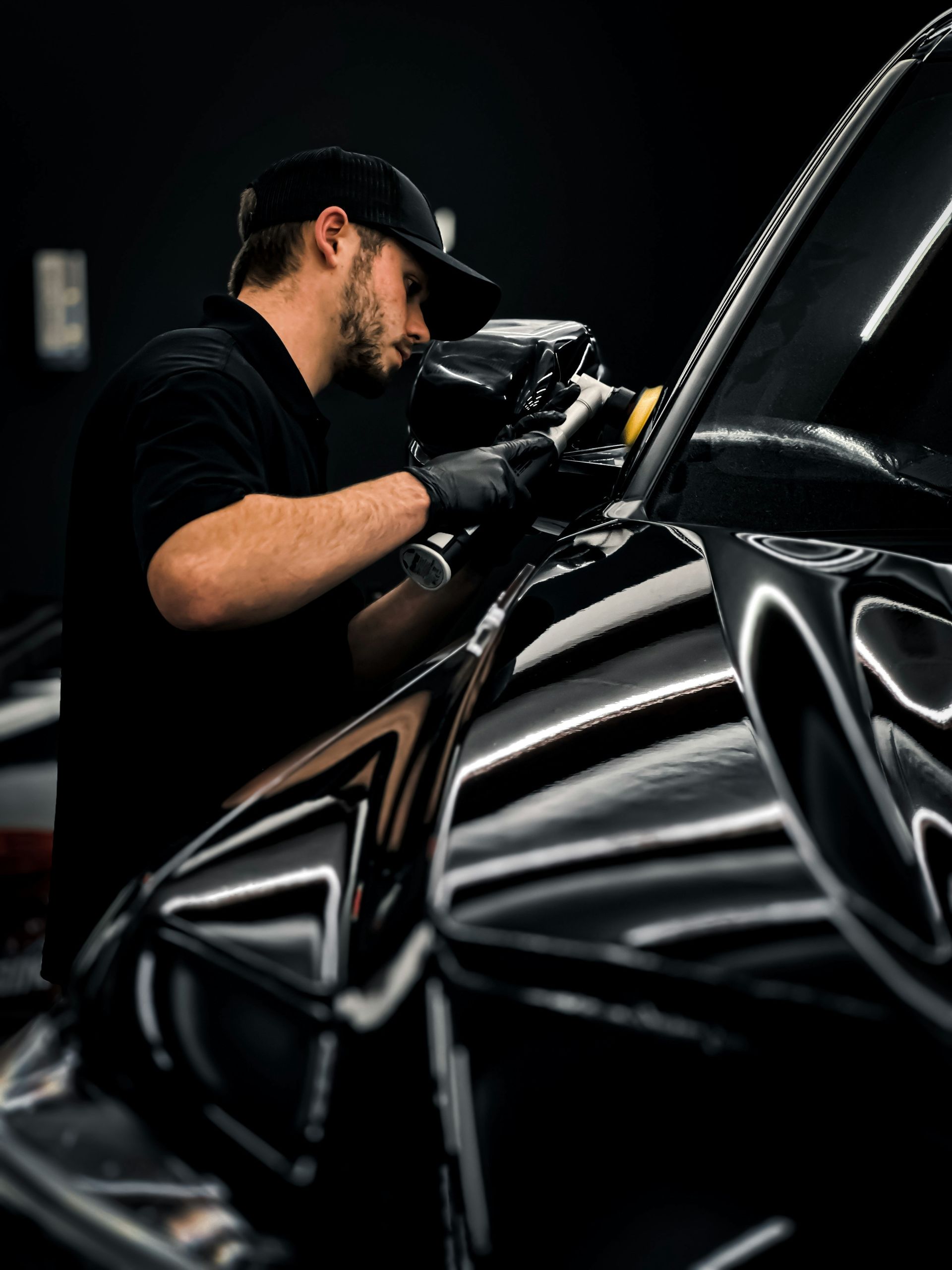
- Swirl marks and fine scratches from washing, even careful hand washing, over the first few months of ownership
- UV-driven oxidation and fading, especially on darker colors that show wear sooner
The good news: nearly all of this is preventable, and the earlier a new car is protected, the less damage accumulates before that protection goes on.
Paint Protection Film vs. Ceramic Coating: What Each One Actually Does
These two services get lumped together constantly, but they solve different problems.
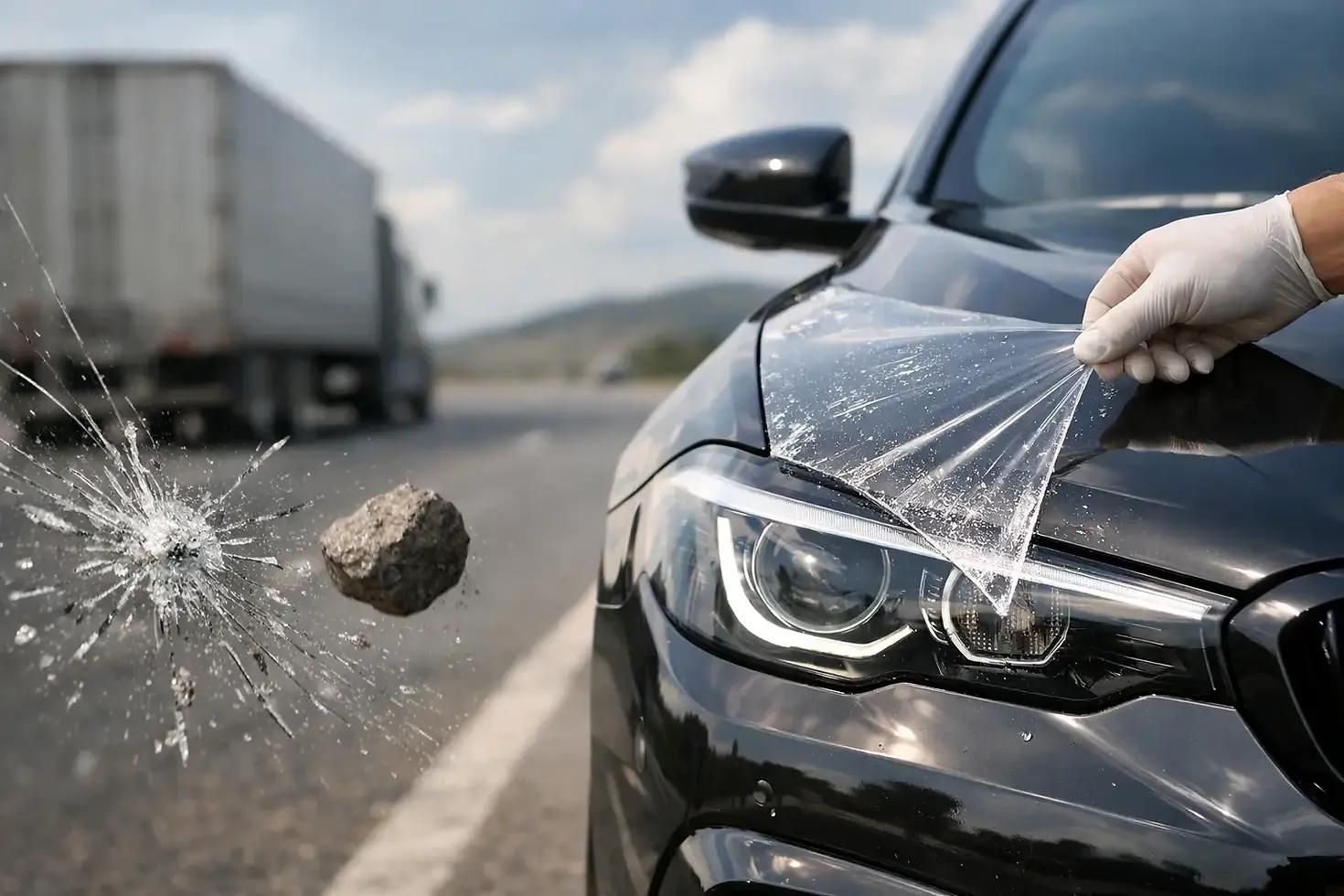
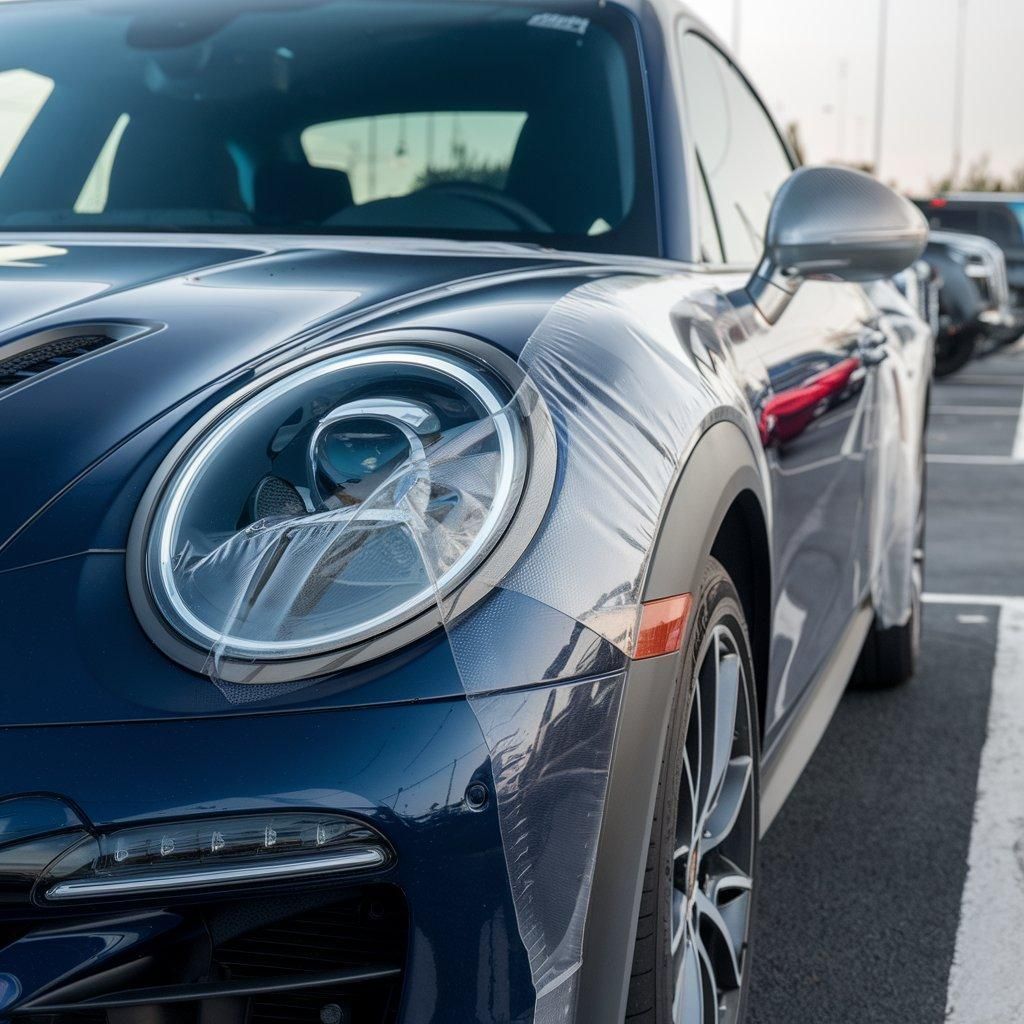
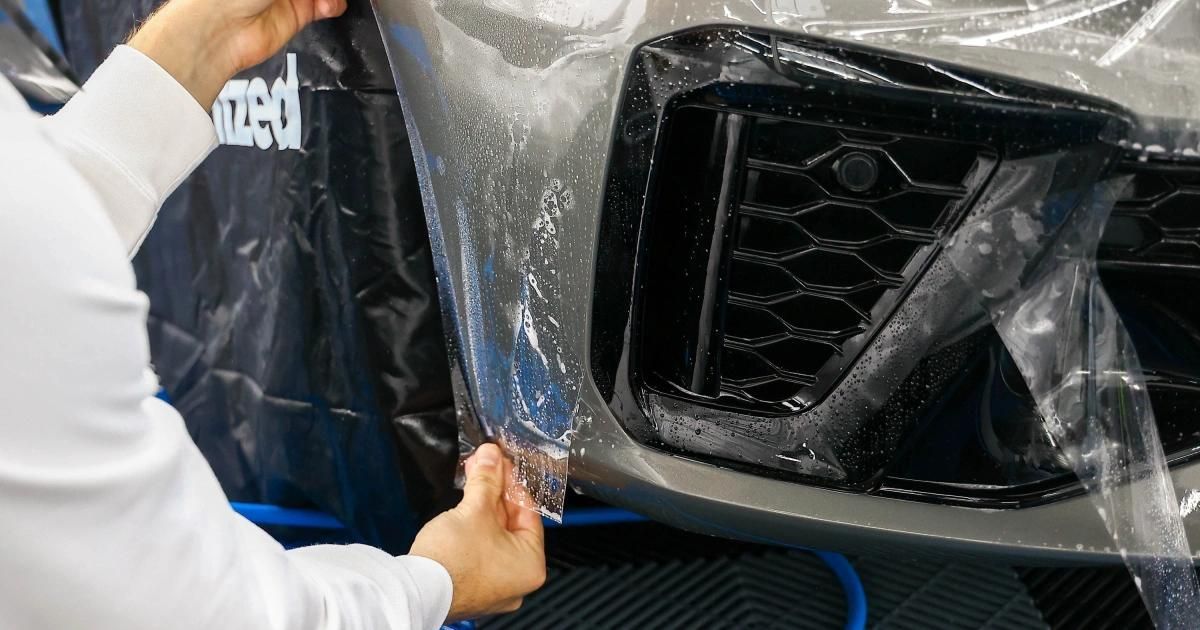
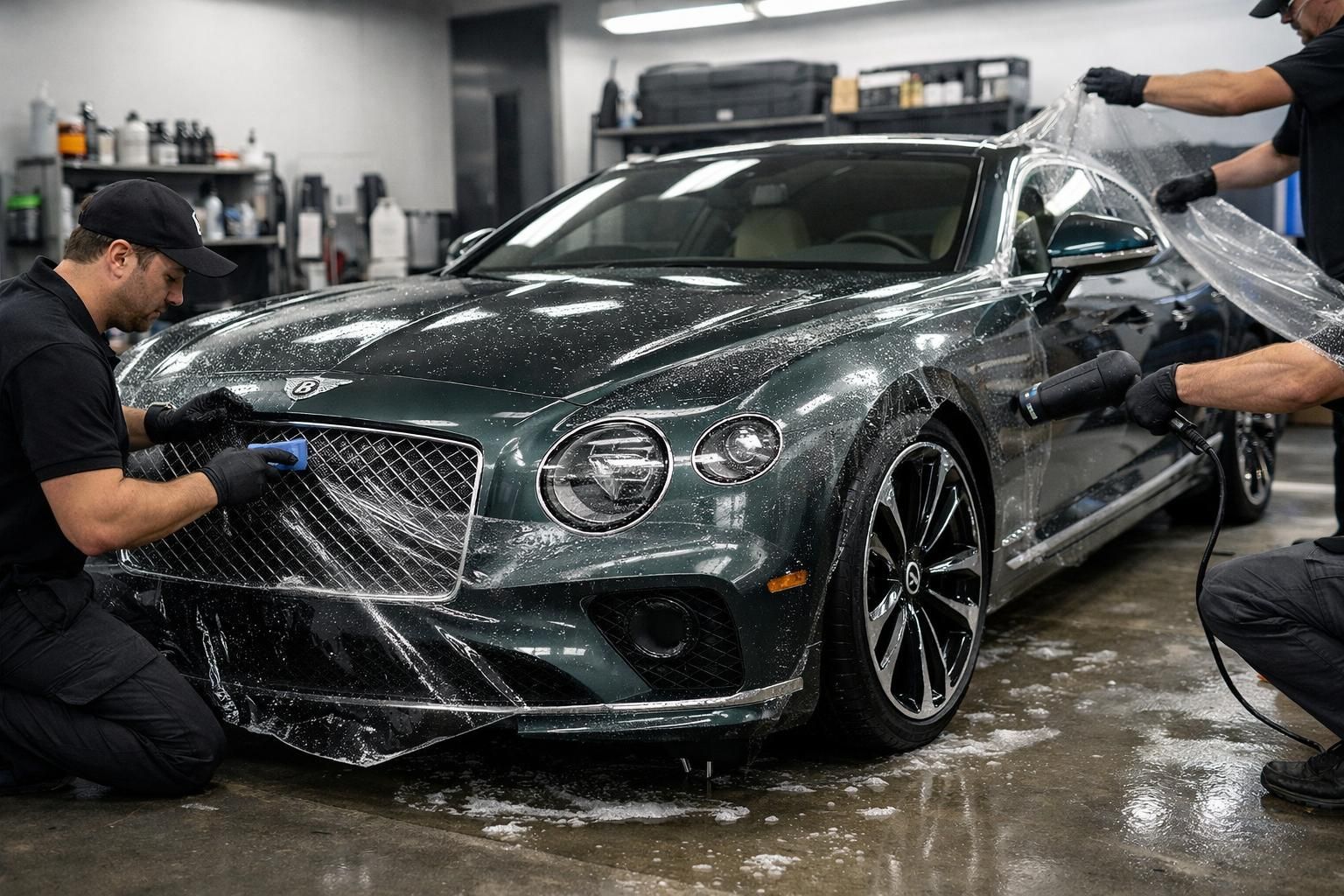
Paint protection film (PPF), sometimes called clear bra, is a physical urethane film applied directly to the paint. It's designed to absorb impacts — rock chips, road debris, minor scratches — before they reach the clear coat underneath. Quality PPF, like the LLumar lines we install (Valor, Select Black, Platinum Extra, Platinum Gloss, and Platinum Matte), also includes self-healing technology, where minor surface scratches and swirl marks soften or disappear with warmth.
Ceramic coating, such as the Gtechniq products we apply as an Accredited Installer, is a liquid polymer that chemically bonds to the paint's surface. It doesn't absorb impacts the way film does, but it creates a hydrophobic, UV-resistant barrier that makes the paint easier to clean, more resistant to chemical staining, and glossier over time.
In short: PPF protects against impact damage. Ceramic coating protects against chemical and environmental buildup and enhances gloss. They're not competing products — they solve different problems, which is why many new-car owners choose both.
Comparing Your Options for a New Car
| Protection Type | Rock Chip / Impact Protection | UV & Oxidation Resistance | Ease of Washing | Gloss Enhancement | Typical Coverage |
|---|---|---|---|---|---|
| Ceramic Coating (Gtechniq) | Minimal | Strong | Significantly easier, hydrophobic surface | Strong — deepens gloss | Full vehicle paint |
| Paint Protection Film (LLumar) | Strong — absorbs impacts, self-healing | Strong — blocks UV that causes fading | Easier than bare paint | Depends on finish (gloss/matte) | Front-end, high-impact panels, or full vehicle |
| PPF + Ceramic Coating Combo | Strong | Strongest — layered protection | Easiest — hydrophobic top layer over film | Strongest overall finish | Full vehicle, maximum protection |
| No Protection (Factory Paint Only) | None | Weak over time | Standard | None | N/A |
For a brand-new vehicle, especially one an owner plans to keep for several years, PPF on high-impact areas paired with a full-vehicle ceramic coating is generally the most complete approach. It combines physical impact protection where it matters most with a chemical barrier that protects and enhances the rest of the paint.
Which LLumar PPF Is Right for a New Car?
Not every new-car owner needs the same coverage or finish, which is why LLumar offers several film options:
Gloss finishes for a factory-fresh look
Platinum Gloss and Platinum Extra preserve the OEM glossy appearance while adding impact resistance — ideal for owners who simply want to protect the factory finish exactly as it looks today.
Matte and satin options for a custom look
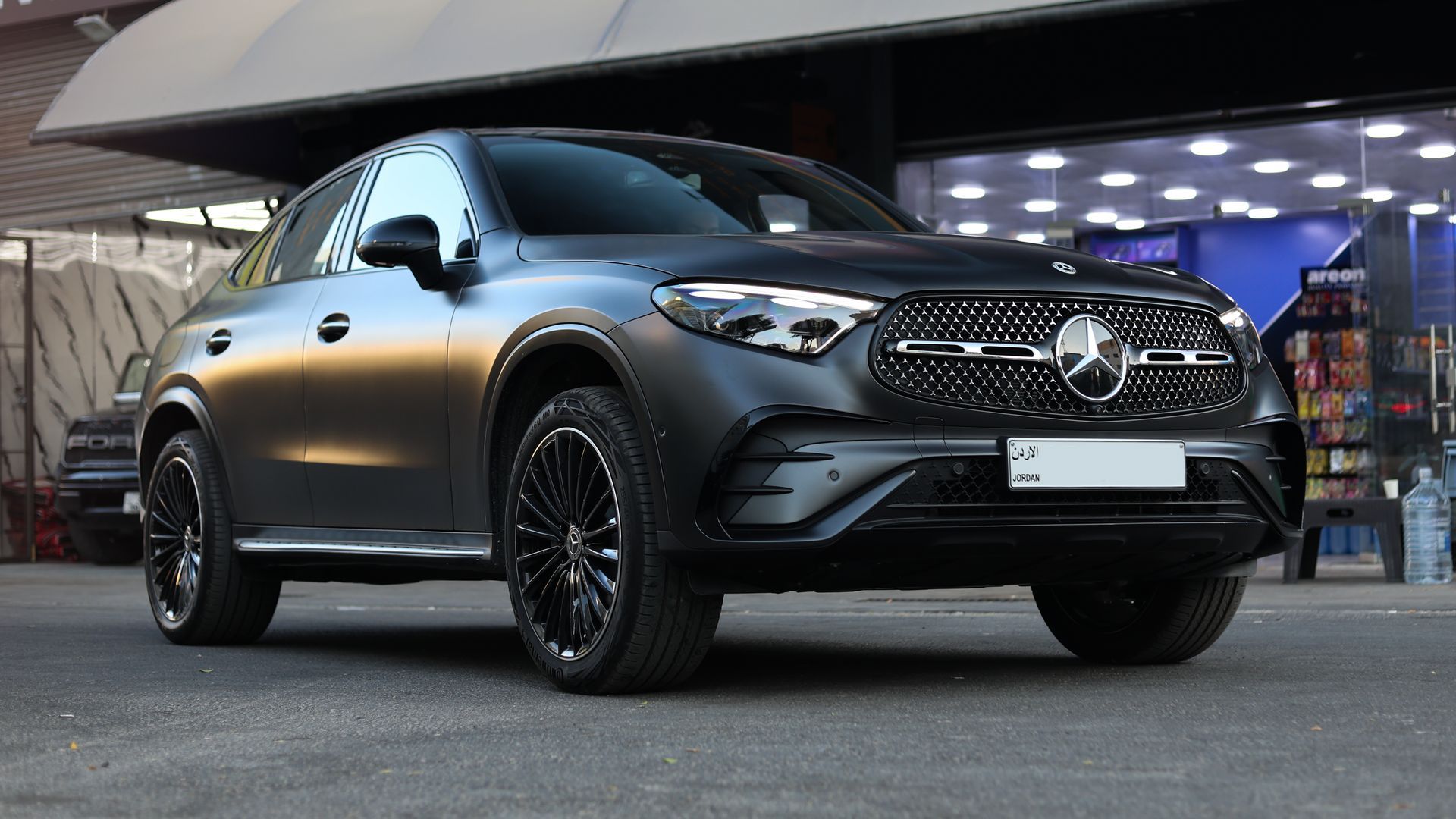
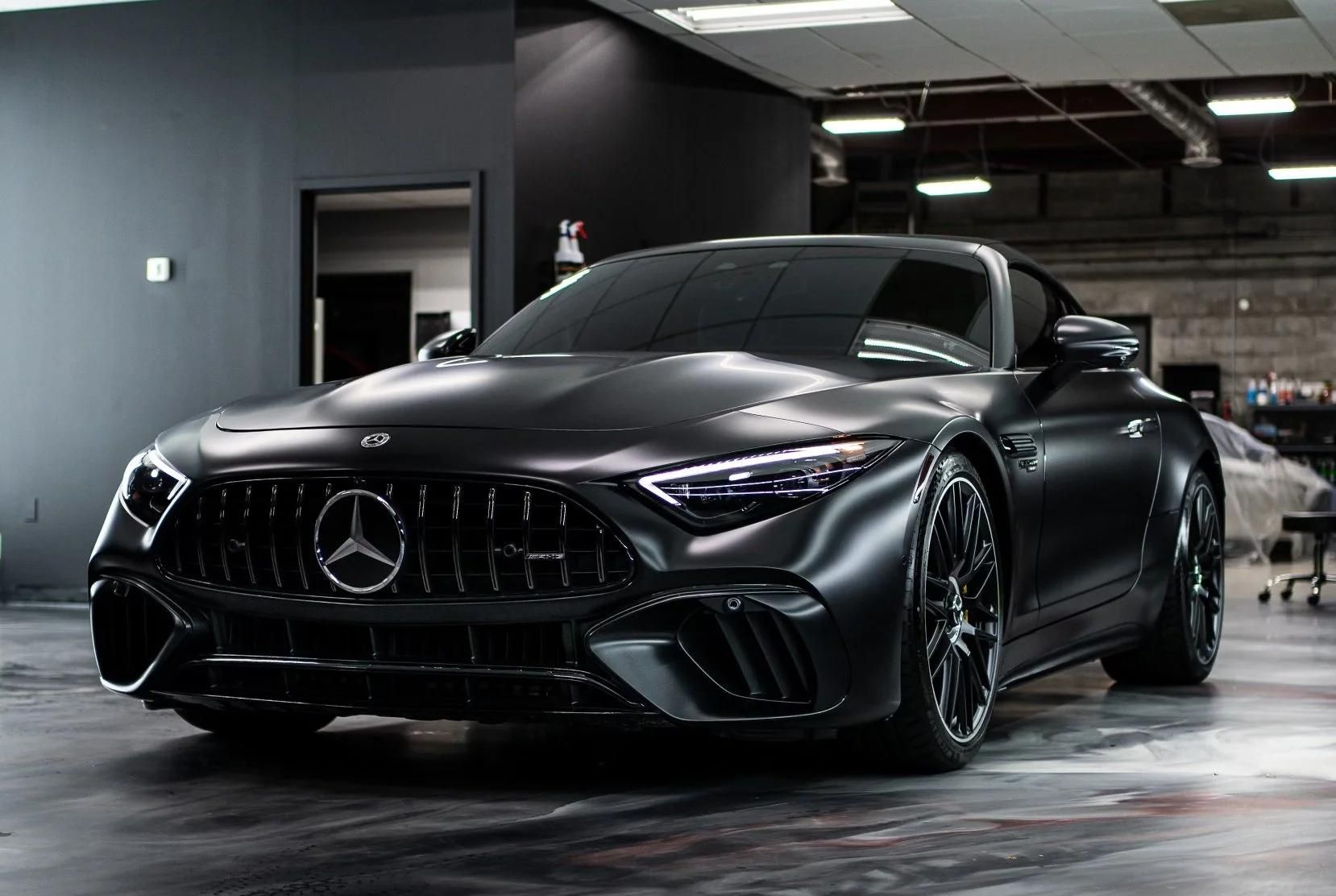
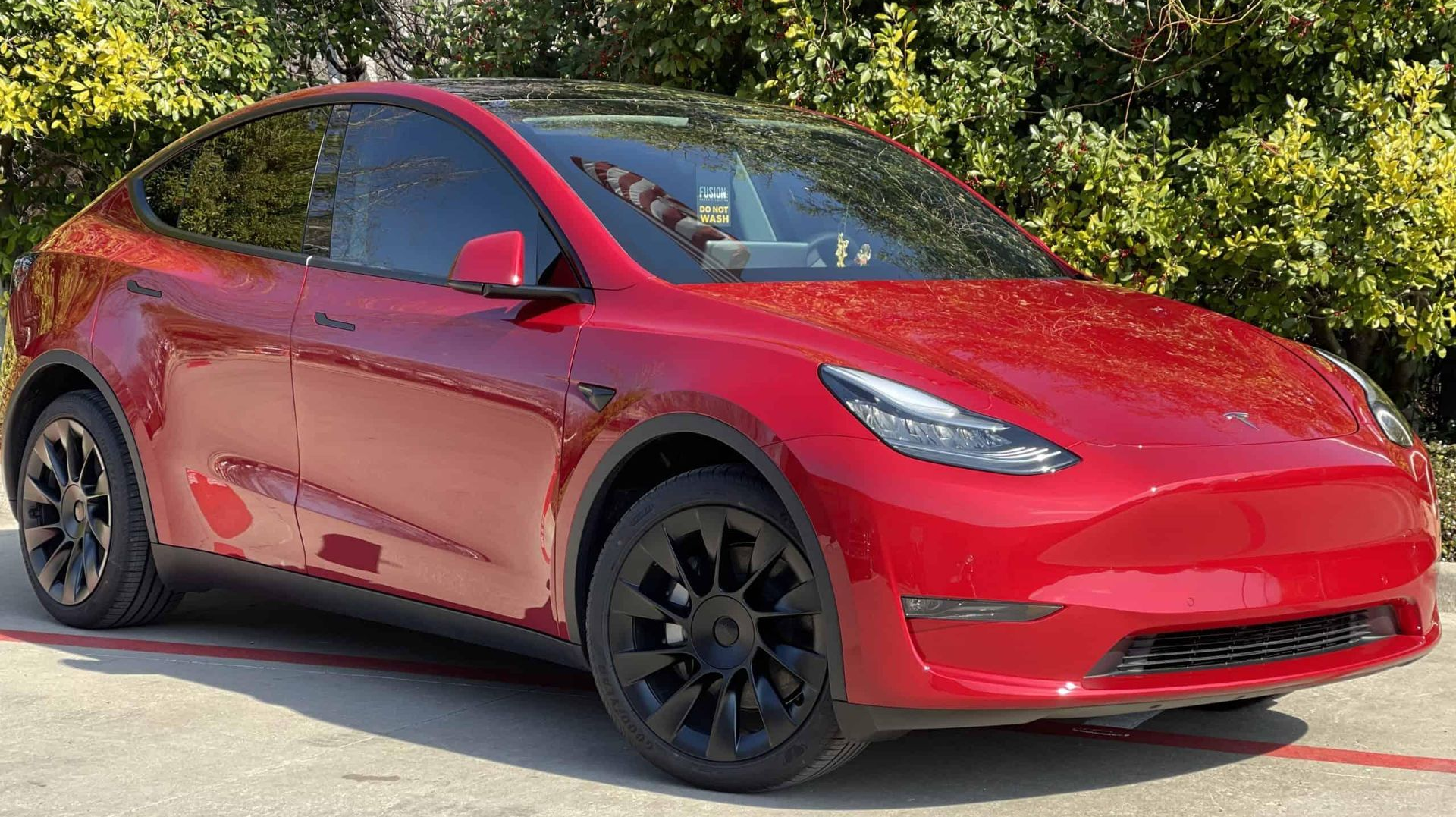
Platinum Matte converts glossy paint into a satin finish while still delivering full paint protection benefits, popular among Tesla, truck, and SUV owners in the Nashville area who want a distinctive appearance from day one.
Select Black and Valor for stealth and high-durability needs
Select Black offers a black-tinted film for a blacked-out aesthetic with protection built in, while Valor is engineered for maximum durability and self-healing performance, a strong choice for owners who put serious miles on I-65 or frequently drive on gravel or rural roads.
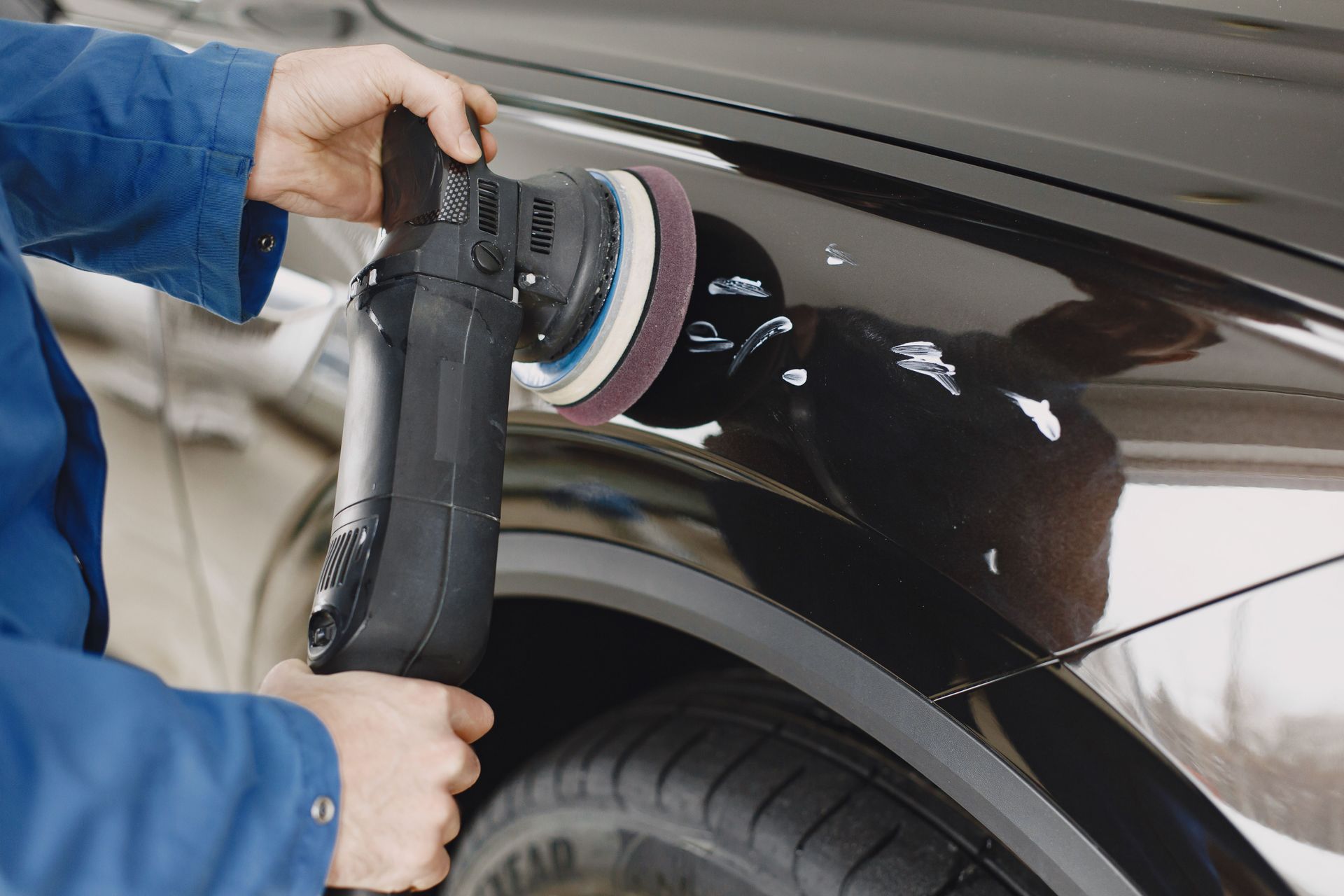
How Soon After Buying Should You Protect a New Car?
The single biggest mistake new-car owners make is waiting. Every week a car sits unprotected is a week of exposure to rock chips, sap, bird droppings, and UV — and once fine scratches or chips happen, PPF and ceramic coating can only prevent further damage, not undo what's already there.
1. Schedule protection before regular driving begins
Ideally, PPF and ceramic coating should be applied within the first days or weeks of ownership, before the car accumulates daily wear.
2. Get a proper surface prep first
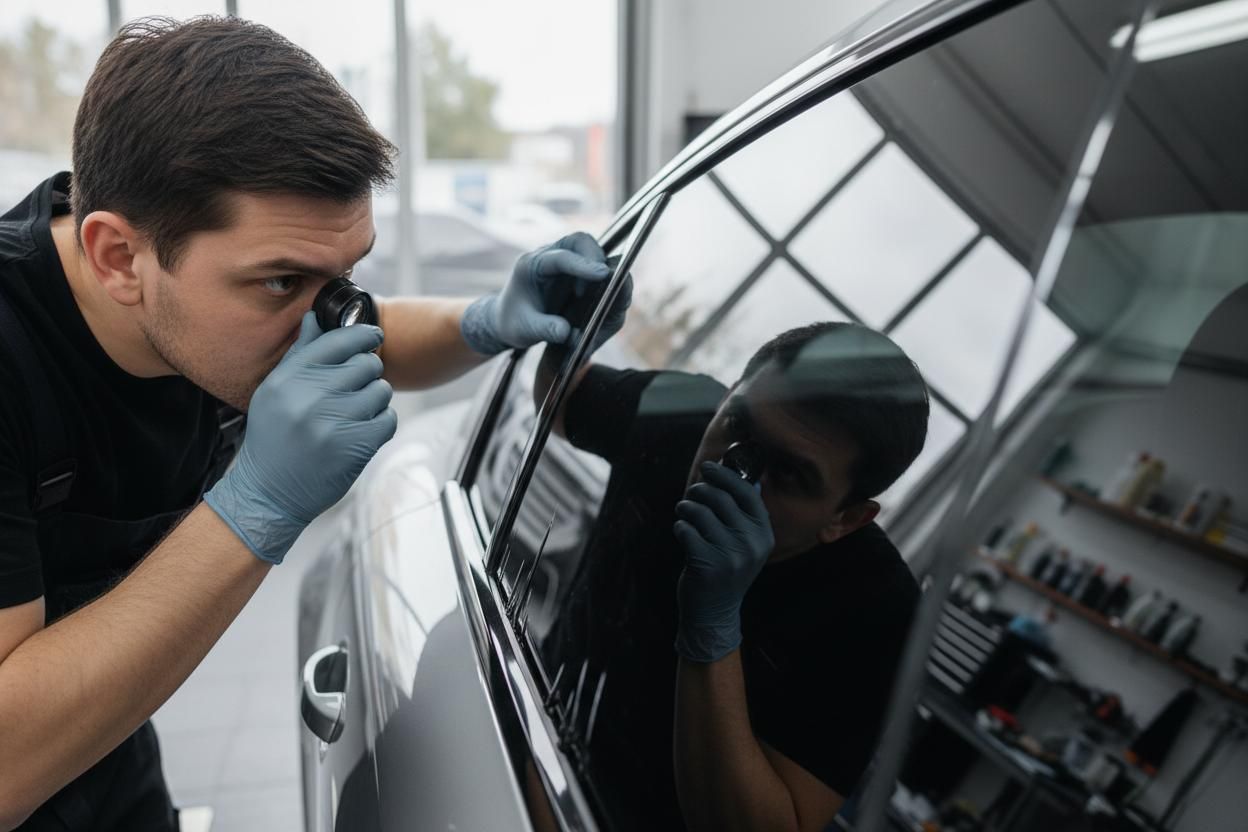
A thorough wash, decontamination, and inspection ensures both film and coating bond correctly — this matters even on a brand-new car, since transport and dealership handling can leave contaminants on the paint.
3. Choose coverage based on how you'll drive it
Daily highway commuters benefit most from full front-end or full-vehicle PPF, while owners who primarily drive around town may prioritize a full ceramic coating with PPF limited to the hood, bumper, and mirrors.
4. Confirm warranty coverage
LLumar Paint Protection Film comes backed by a manufacturer's limited warranty, so ask your installer about the specific terms and duration for the coverage level you choose.
Common Mistakes New-Car Owners Make
- Waiting for the first chip before acting. Protection is preventative — once damage occurs, film and coating can't repair it.
- Assuming ceramic coating alone prevents rock chips. Coating protects against chemical staining and UV, not impact damage; that's PPF's job.
- Choosing coverage based on price alone. Partial coverage that skips the hood or front bumper leaves the most exposed panels unprotected.
- Skipping professional installation. Improperly applied film can trap contaminants or lift at the edges, undermining the protection it's meant to provide.
Frequently Asked Questions
Should I get PPF or ceramic coating for a new car?
For the most complete protection, many Nashville-area owners choose both — PPF on high-impact panels for rock chip and scratch resistance, combined with a full-vehicle ceramic coating for UV protection, easier washing, and enhanced gloss.
What's the best paint protection film for a new car?
It depends on your priorities. Platinum Gloss or Platinum Extra preserve the factory look with strong impact protection, while Platinum Matte offers a satin conversion, and Valor is built for maximum durability on high-mileage drivers.
How soon after buying a new car should I get paint protection?
As soon as possible — ideally within the first days or weeks of ownership, before the vehicle accumulates rock chips, sap, or fine scratches from daily driving and washing.
Is full-vehicle PPF worth it for a new car in Nashville?
For owners planning to keep their vehicle long-term or who drive frequently on highways like I-65 and I-24, full-vehicle coverage offers the most comprehensive protection against road debris and UV-driven fading.
Does ceramic coating protect against rock chips?
No. Ceramic coating is a chemical-bonded layer that resists UV damage, staining, and contamination, and makes washing easier, but it does not absorb physical impacts the way paint protection film does.
Can I combine PPF and ceramic coating on the same car?
Yes, and it's a common approach — ceramic coating can be applied over PPF to add hydrophobic, easy-clean properties and extra gloss on top of the film's impact protection.
Conclusion and Next Steps
For new-car owners in Brentwood, Nashville, and Franklin, the best paint protection isn't a single product — it's the right combination for how you'll actually drive the vehicle. Paint protection film guards against the rock chips, road debris, and fine scratches that start accumulating from day one, while ceramic coating adds UV resistance, easier maintenance, and a deeper shine. Together, they offer the most complete defense against everything Middle Tennessee's roads and seasons can throw at a fresh paint job.
As an LLumar SelectPro Dealer, LLumar Paint Protection Film installer, and Gtechniq Accredited ceramic coating installer — and the 2020 Southeast Automotive Film Dealer of the Year — Music City Window Tinting's certified technicians can walk you through the right coverage level for your new car, whether that's a full-vehicle build, a front-end package, or a matte conversion.
Just picked up a new vehicle? Request a free paint protection film estimate from Music City Window Tinting, or call (615) 260-3838 to schedule protection before your first drive around Brentwood.