When Nashville Drivers Should Choose PPF Over Ceramic Coating
Protect Your Nashville Ride From Real-World Damage
Nashville roads can be rough on a nice paint job. One day you are driving on I-65 behind a truck throwing gravel, the next day you are squeezing into a tight parking spot downtown and worrying about door dings. Add in spring storms, hail, and heavy traffic, and it is easy to see why so many local drivers want better protection for their vehicles.
Two of the most common options are
paint protection film, also called PPF, and
ceramic coating. Both help shield your paint, but they do very different jobs. Knowing the difference helps you spend your money where it truly matters for how and where you drive.
At Music City Window Tinting, we work with drivers across Brentwood, Franklin, and the greater Nashville area who face these real-world issues every day. We want to make it simple to understand when PPF is the smarter choice than ceramic coating, especially as road trips, events, and weekend drives pick up in the warmer months.
PPF vs. Ceramic Coating Basics Nashville Drivers Need
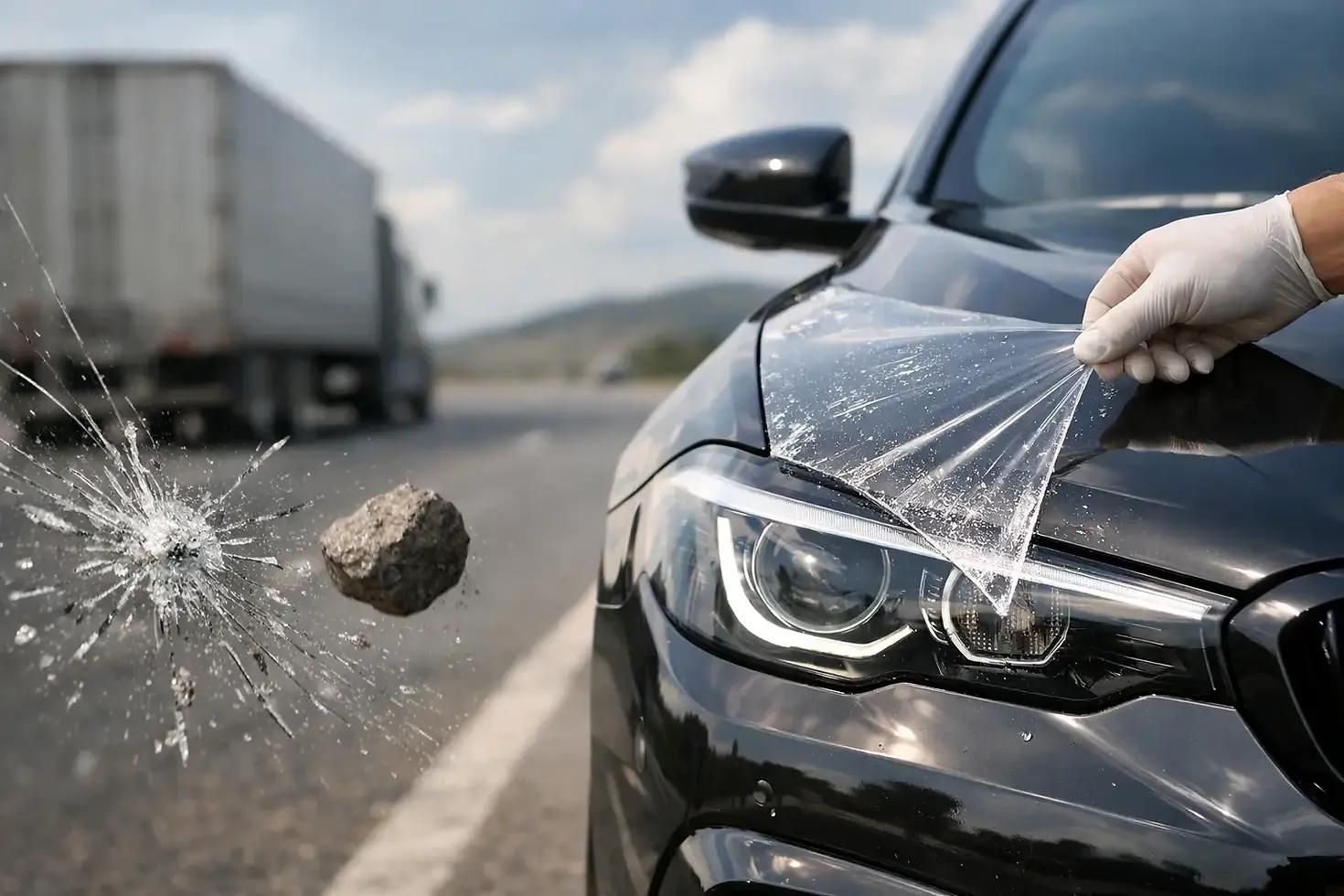
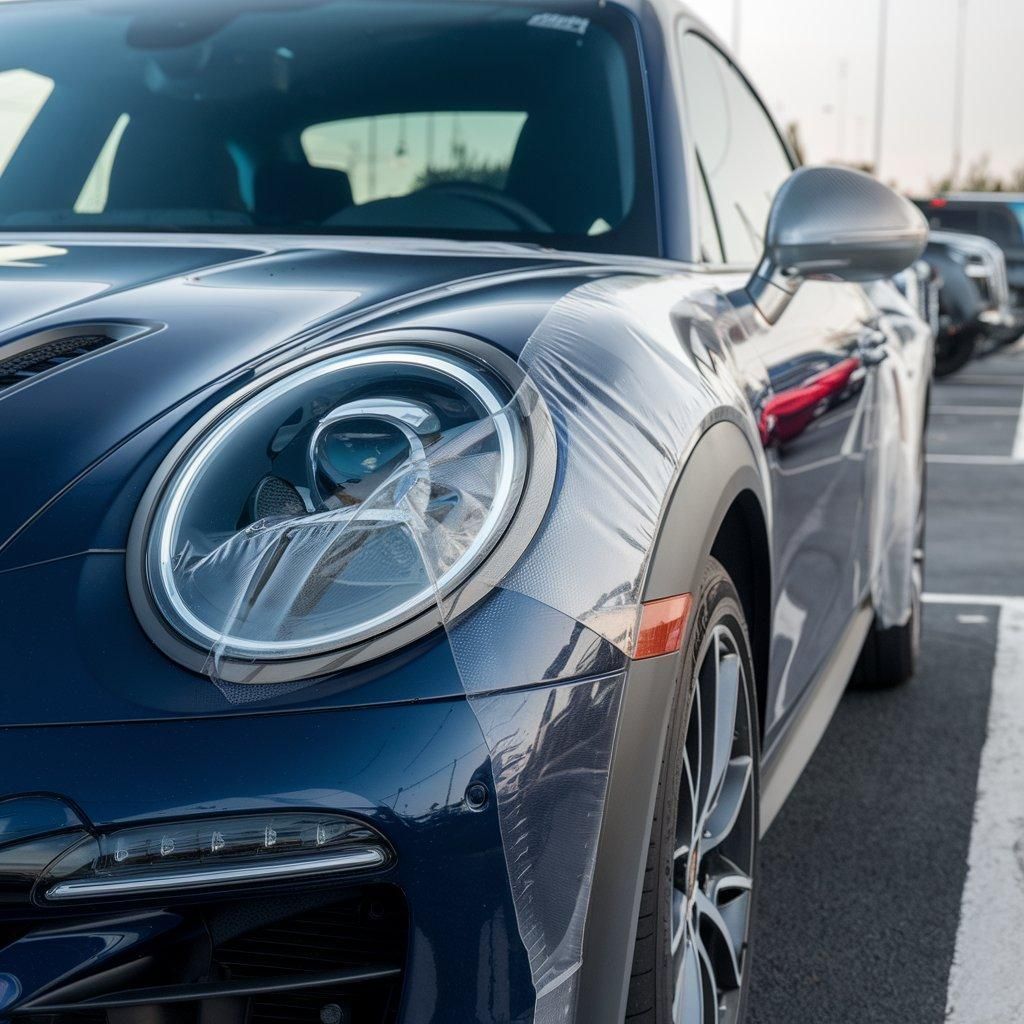
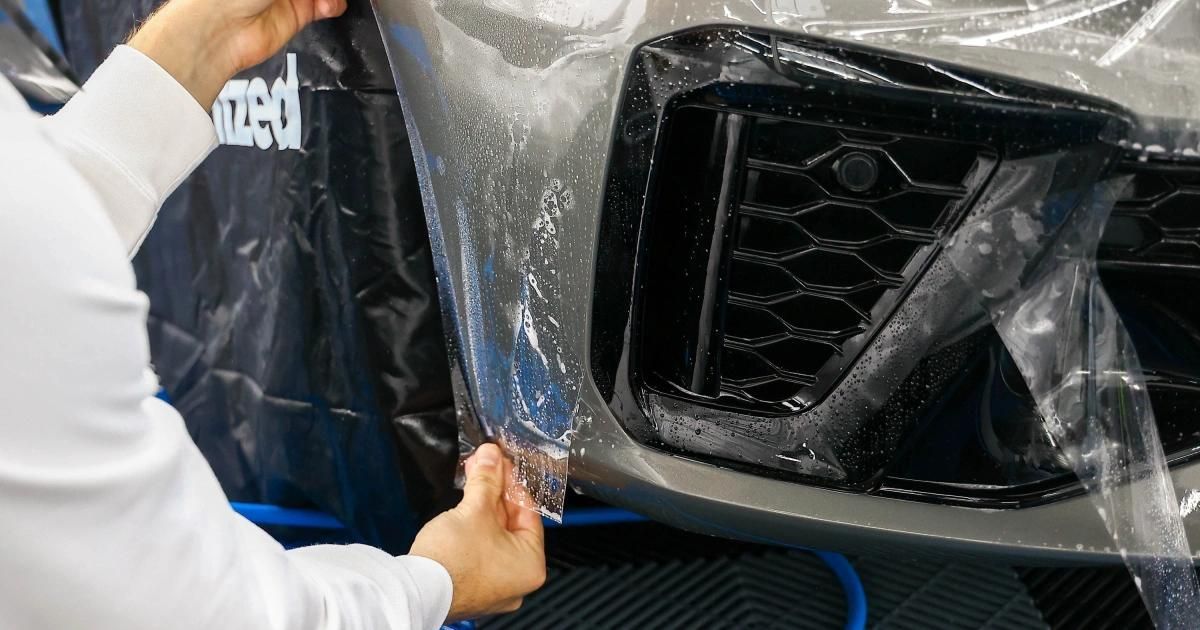
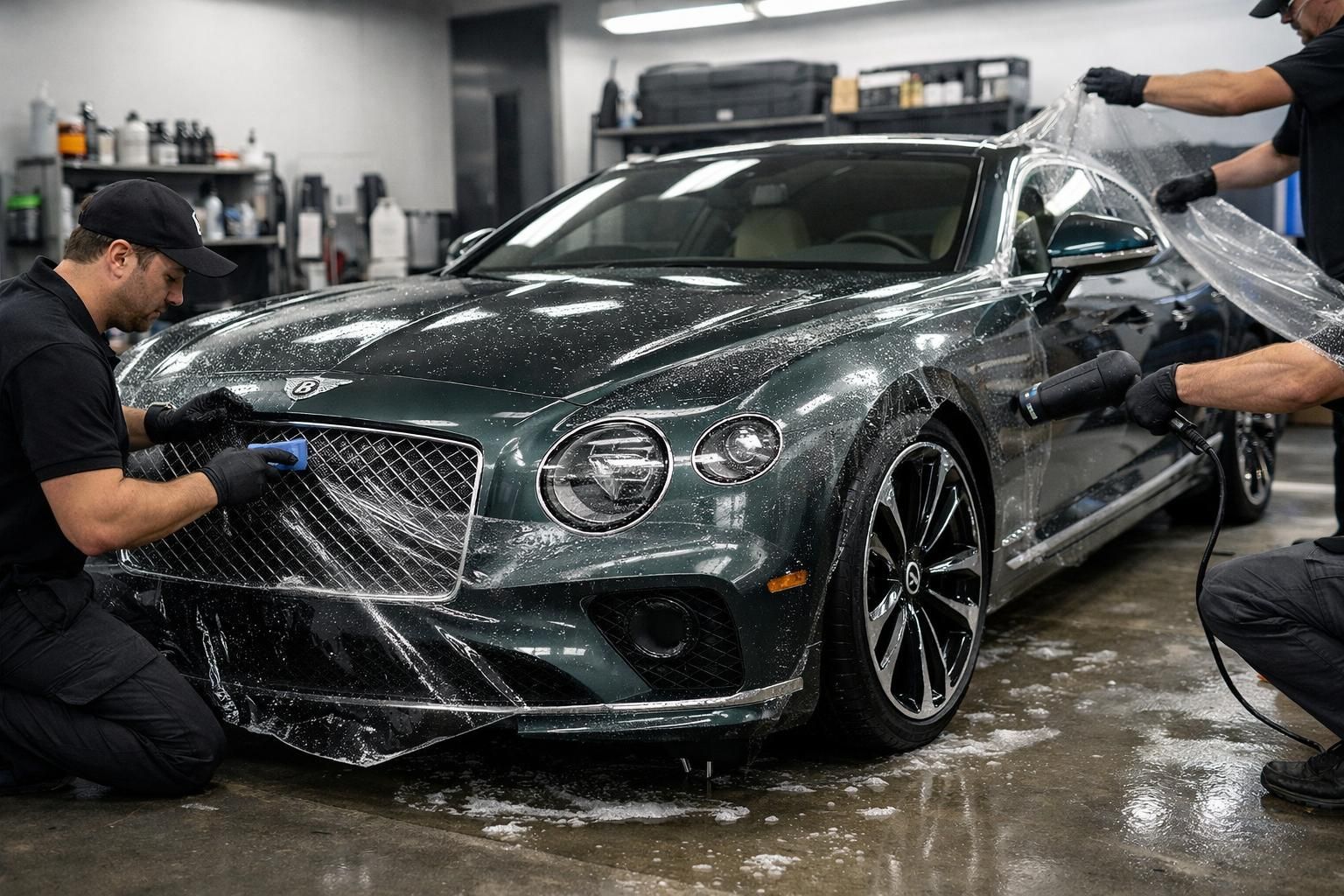
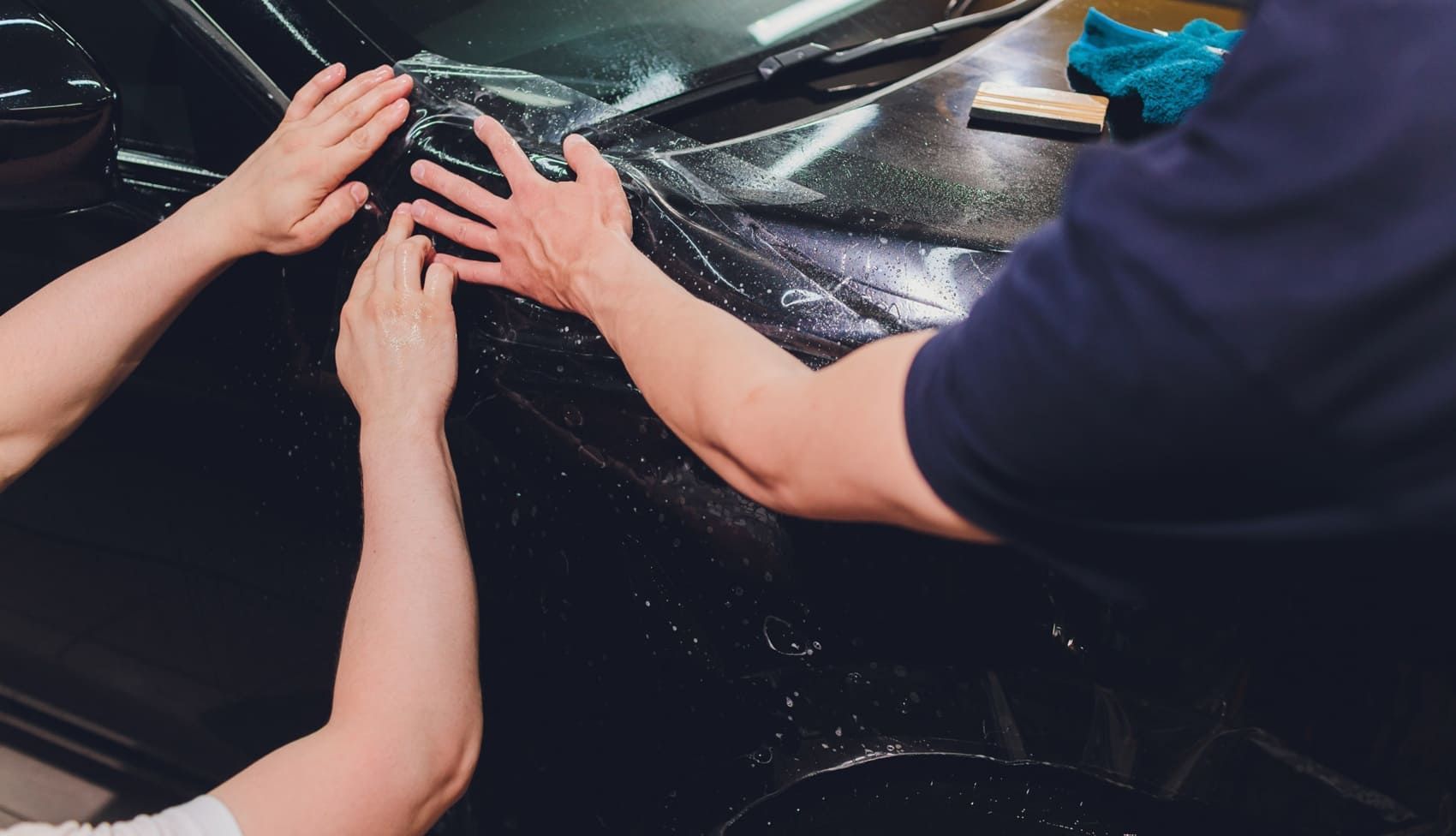
PPF is a clear, flexible polyurethane film that is applied on top of your painted panels. Think of it like a clear shield. It is designed to absorb the impact of:
- Rock chips from highways
- Loose gravel and road debris
- Light scratches and scuffs
- Minor door bumps in parking lots
When something hits the surface, the film takes the abuse instead of your paint. That is why PPF is so popular on front bumpers, hoods, fenders, mirrors, and rocker panels.
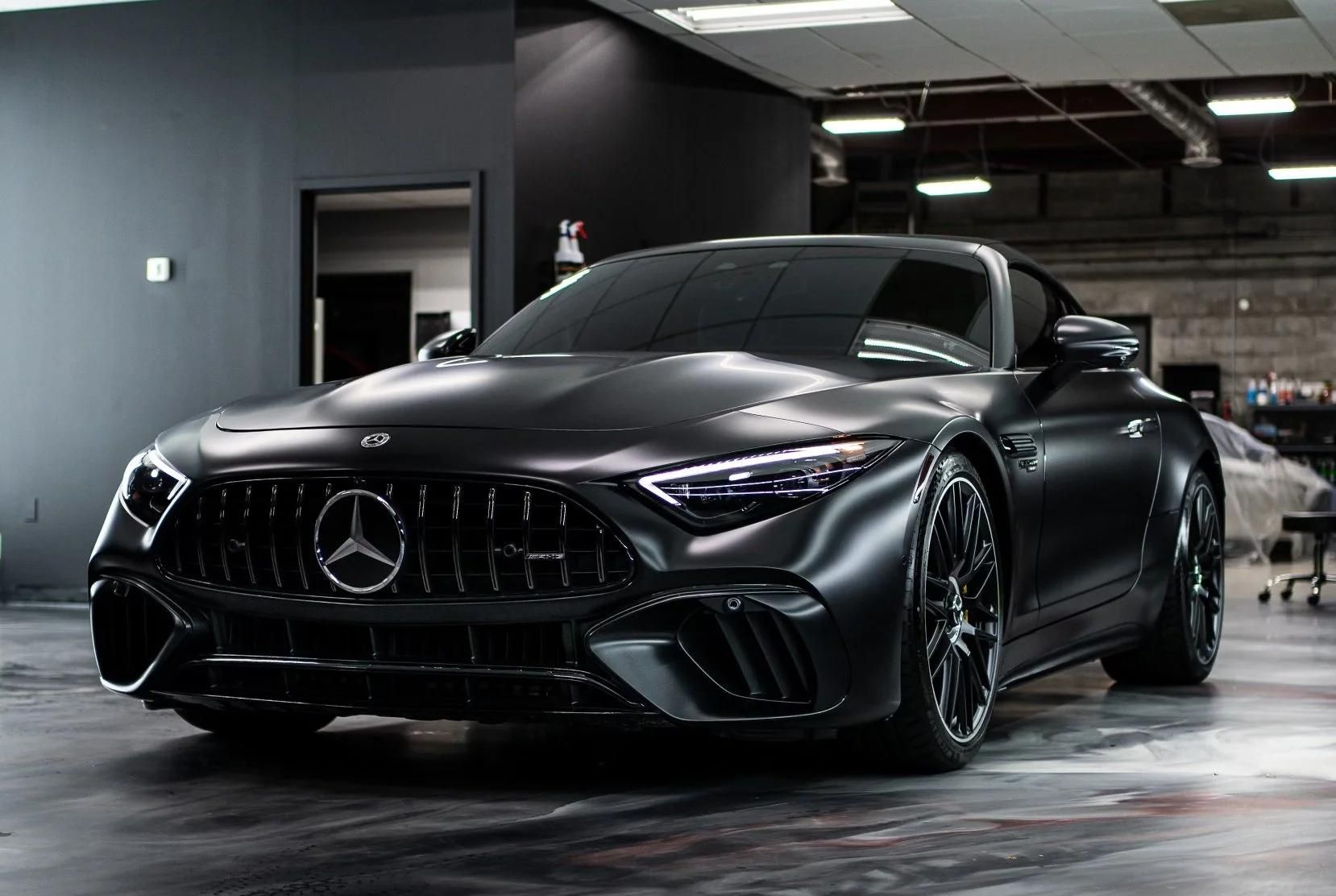
Ceramic coating is very different. It is a liquid nano-ceramic product that bonds to your clear coat and cures into a hard, glossy layer. It helps with:
- Deeper gloss and shine
- Hydrophobic properties so water beads and rolls off
- Easier washing and less dirt sticking
- Added UV resistance from the Tennessee sun
A common misunderstanding is that ceramic coating will block rock chips the way PPF does. It will not. Ceramic coating is thin and rigid, not a soft impact-absorbing film.
So in simple terms:
- PPF: physical impact protection
- Ceramic coating: appearance and easier maintenance
You can combine both, with PPF on high-impact areas and ceramic coating on top for glow and easy cleaning. Here, we are focusing on when it makes sense to put PPF first for Nashville conditions.
Nashville Roads, Weather, and Where PPF Really Shines
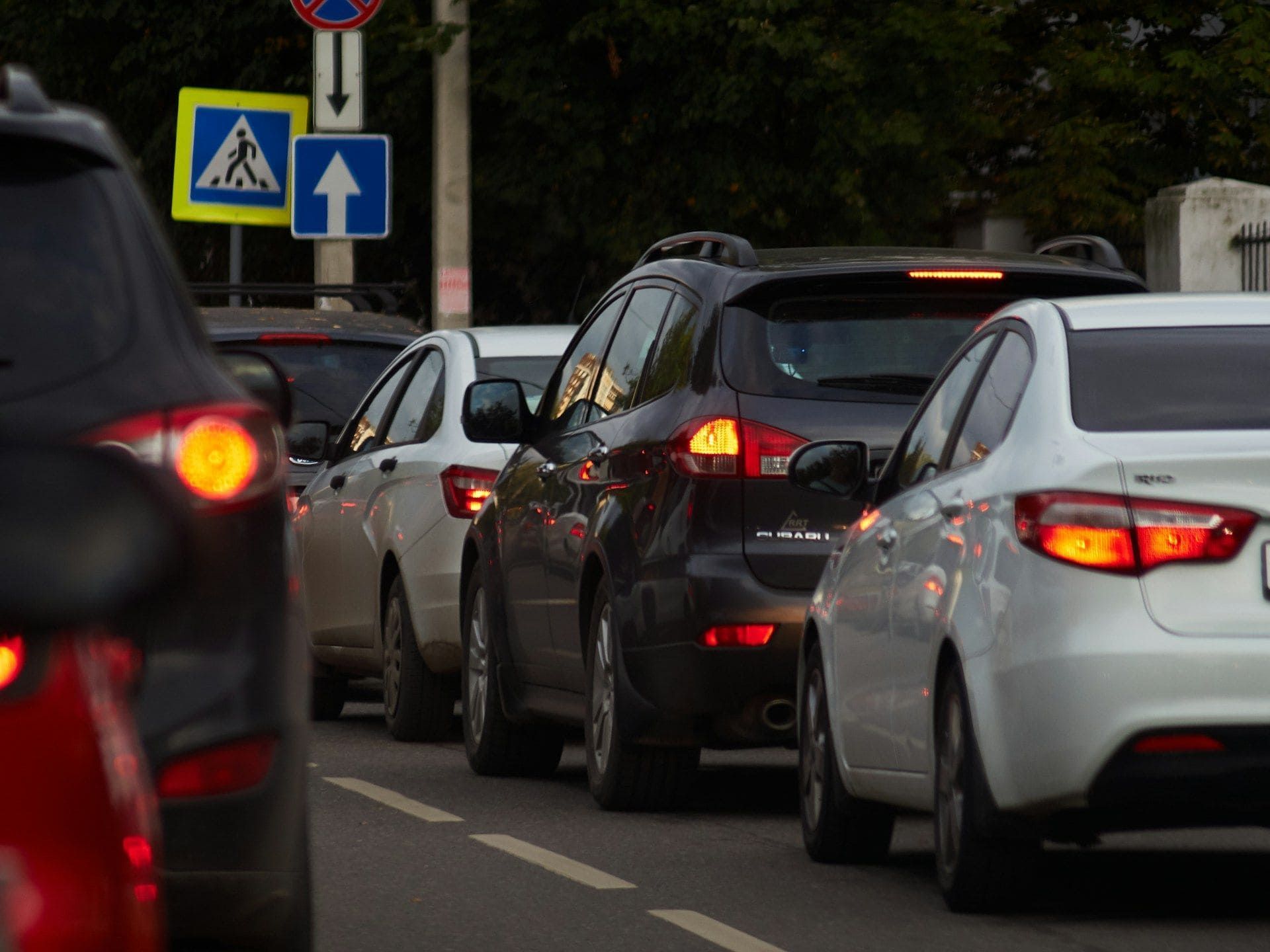
If you drive the main interstates around Nashville, you know how rough they can be. I-24, I-40, and I-65 all have heavy traffic and regular construction. Loose gravel, fresh asphalt, and debris are common. At highway speed, even a small rock can chip your front bumper or hood. This is where PPF clearly beats ceramic coating, because only PPF can cushion that impact.
Middle Tennessee weather adds another layer of risk. Spring can bring sudden storms and hail, along with swarms of bugs on warm evenings. PPF helps resist:
- Tiny marks and light pitting from small hail
- Etching from bug guts that sit too long
- Fine scratches from wiping dust off a dry panel
Ceramic coating can help reduce staining and make bugs easier to wash off, but it does not offer the same barrier between the paint and whatever hits it.
Then there are the everyday hazards. Parking downtown for a show, heading to a Titans or Preds game, or dealing with crowded shopping centers raises the chance of:
- Door edges tapping your car
- Carts and bags brushing against your panels
- Kids and pets bumping into the vehicle
PPF on door edges, door cups, and high-contact areas can take the brunt of that abuse.
Drivers who tend to see the biggest real-world benefit from prioritizing PPF in Nashville include:
- Highway commuters on I-24, I-40, and I-65
- People who drive for work or rideshare
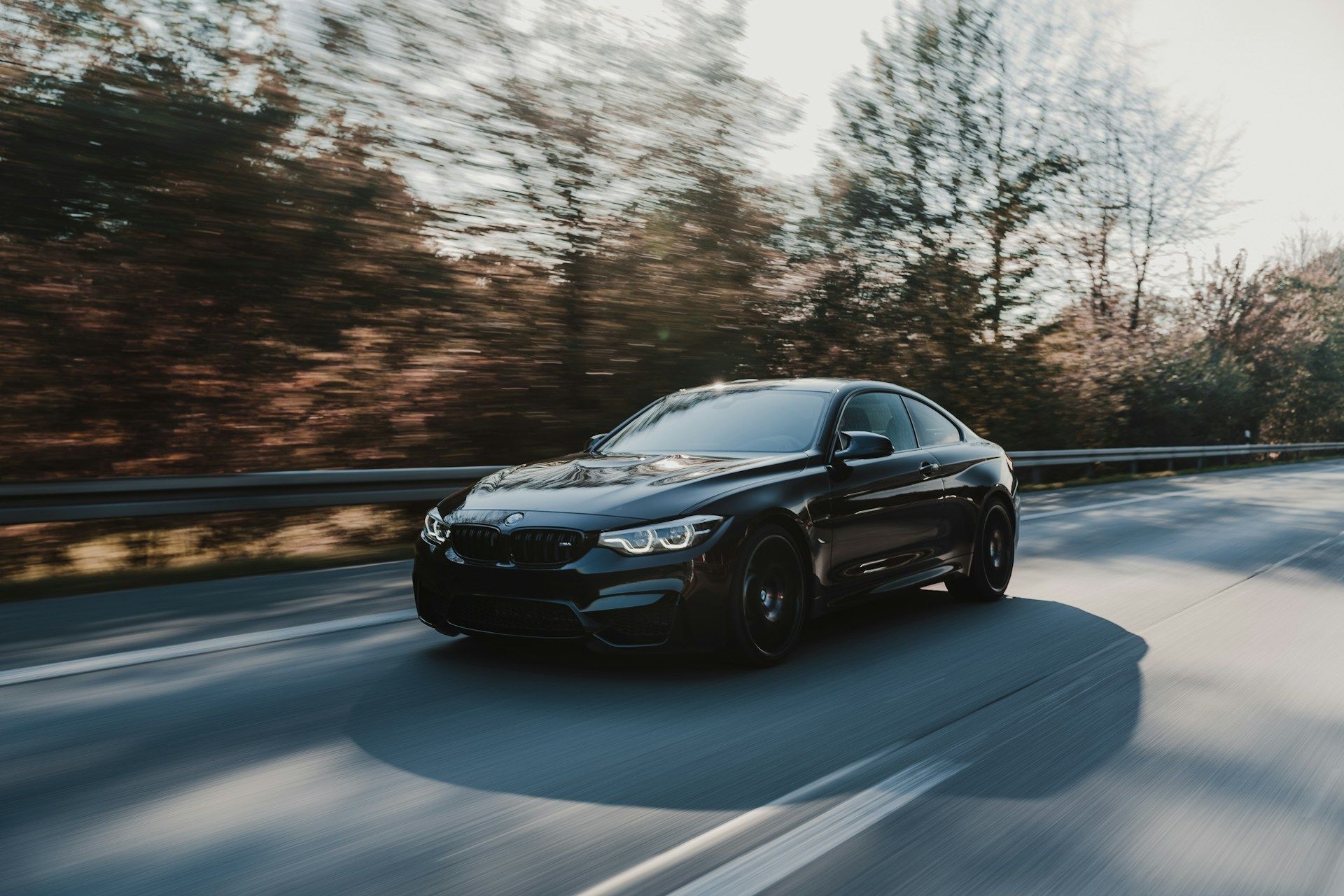
- Owners of dark-colored vehicles, where every chip stands out
For these drivers, PPF often prevents repeat paint repairs and helps the car keep a newer look longer.
When PPF Is the Smarter Choice for Your Vehicle
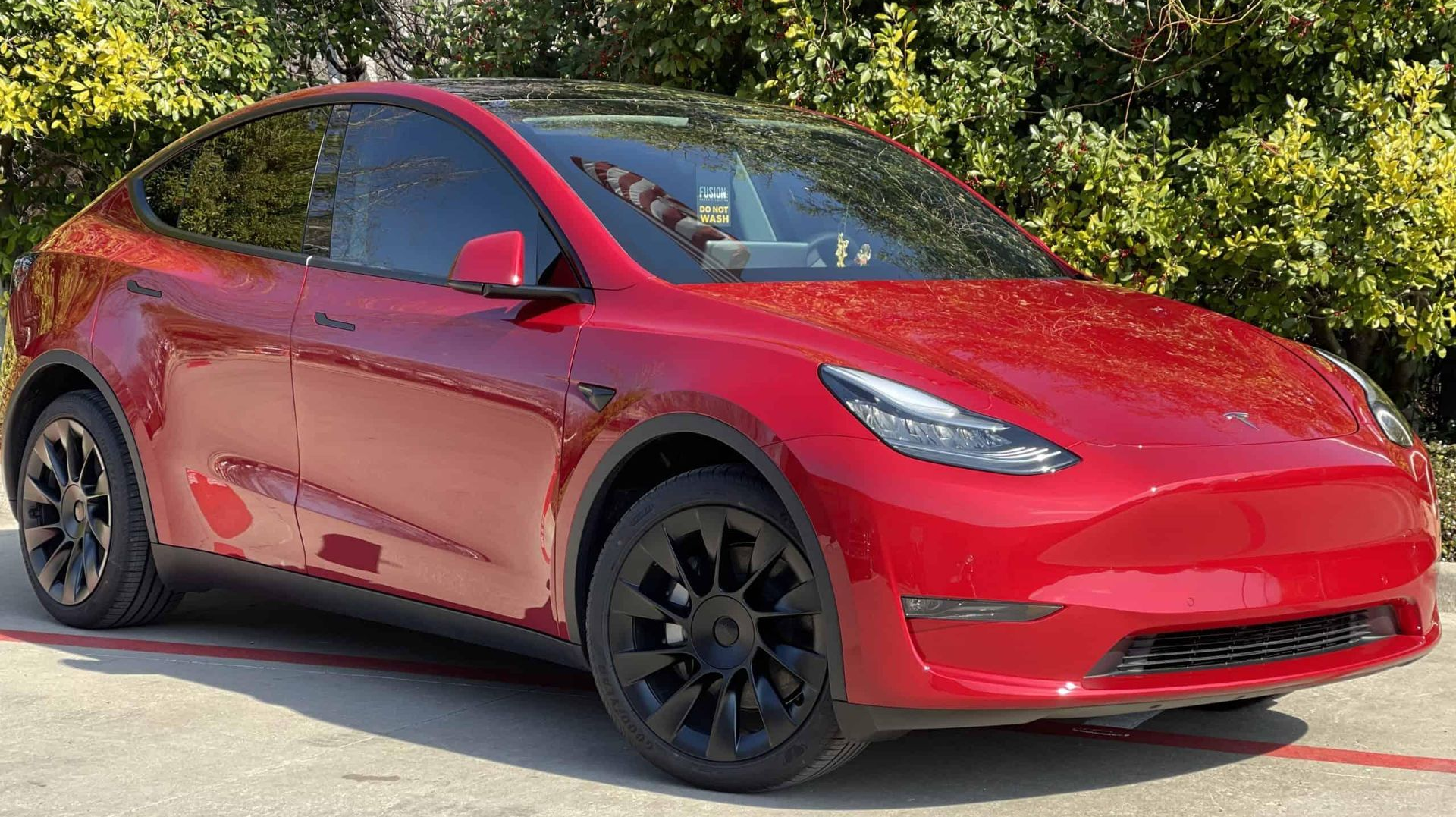
If you own a newer or higher-value vehicle, PPF is usually the first thing to consider. Luxury cars, performance models, Teslas, and nice trucks all hold their value better when the original paint stays clean and chip-free. A common strategy is to cover:
- Front bumper
- Partial or full hood
- Front fenders
- Side mirrors
- Rocker panels and lower doors
This focuses the film where most of the damage happens.
For daily drivers who rack up miles, PPF can be a long-term protection plan. Commuters coming in from Brentwood, Franklin, Murfreesboro, and surrounding suburbs spend a lot of time behind other cars and trucks. Over time, that means more flying debris. PPF helps reduce the need for touch-ups and repaints, which saves time and stress.
Color also matters. On darker paint, chips often show up as bright white dots that are hard to unsee. On lighter colors, bug splatter and road grime can leave mild stains. PPF helps:
- Hide the appearance of small impacts on dark paint
- Protect light paint from staining and discoloration
Timing can make a difference too. Applying PPF before peak spring and summer driving means your paint is shielded before long road trips, lake weekends, and festival traffic add more wear and tear.
When Ceramic Coating May Be Enough on Its Own
There are times when ceramic coating by itself can make sense. If your vehicle is usually garaged, driven on weekends, and not used for a long commute, it may not see the same level of abuse. In that case, a quality ceramic coating can offer plenty of protection for how you use the car.
Ceramic coating is a great fit if your top priorities are:
- Deep, glossy shine
- Fast, easy washing
- Less dirt and dust sticking
- Strong UV protection from the sun
It makes regular cleaning faster and helps the paint look fresh longer, even when you do not have much time to wash.
For drivers working with a tighter budget, ceramic coating can also be a good first step. You might:
- Start with a ceramic coating to get better shine and easier cleaning
- Add PPF later to the front bumper and other high-impact areas
- Expand coverage over time as you are ready
The key is understanding the limits so you are not surprised later. A ceramic coating will not stop rock chips from Nashville highways or protect against deeper scratches the way PPF does. It is a surface treatment, not a physical shield.
Choosing the Right Protection Plan for Nashville Driving
When you look at PPF vs. ceramic coating in Nashville, the choice comes down to what you need most. PPF is your best bet for impact and chip protection from real-world driving. Ceramic coating focuses on gloss, easier cleaning, and UV defense. Many local drivers end up with some mix of both.
Here are a few simple ways to think about common setups:
- Commuter package: Front-end PPF on bumper, hood, fenders, and mirrors, plus a ceramic coating on the rest of the paint for shine and easy washing.
- High-end or performance package: Full-body PPF for maximum physical protection, sometimes with a ceramic coating on top for the best finish and maintenance.
- Low-mileage package: Ceramic coating only for owners who drive gently, park indoors, and want an easier time keeping the car clean.
At
Music City Window Tinting in
Brentwood, we look at how you actually drive, where you park, and what kind of vehicle you have. That helps us guide you toward the right mix of PPF and ceramic coating so your car, truck, or SUV is ready for the real conditions on Nashville roads as the weather warms up and you spend more time behind the wheel.
Get Started With Your Project Today
If you are ready to protect your vehicle’s finish and want expert guidance on PPF vs. ceramic coating in Nashville, we are here to help you choose what fits your goals and budget. At
Music City Window Tinting, we take time to understand how you drive, where you park, and how long you plan to keep your vehicle so we can recommend the right level of protection.
Reach out today and let us walk you through options, pricing, and scheduling so your car looks great and stays protected for the long haul.