Nashville Construction Threats: How PPF Blocks Tar, Dust, and Paint
Protect Your Vehicle From Nashville’s Summer Job Sites
Nashville roads can be tough on your paint, especially when construction season kicks into high gear. Fresh blacktop, concrete work, and road painting all seem to happen at once, and your car ends up in the crossfire. Even a quick drive from Brentwood to downtown can leave your vehicle speckled, spotted, or chipped.
This is where paint protection film, often called PPF, really proves its worth. It gives your vehicle a clear shield that helps block damage from asphalt tar, concrete dust, loose gravel, and fresh paint overspray. Instead of watching your paint slowly get ruined by Middle Tennessee growth, you can keep it looking newer for longer and help protect your resale value.
Our team at Music City Window Tinting works with drivers from all over the greater Nashville area who want to stay ahead of these daily threats. From daily commuters to owners of luxury rides and work trucks, we see what local roads do to paint, and we know how much damage can build up in one summer.
Hidden Threats Lurking in Nashville Construction Zones
Construction zones are not just annoying delays. They are full of hidden hazards that stick to, scratch, and stain your paint.
Here are some of the biggest troublemakers:
- Asphalt tar and fresh sealant
- Concrete dust and small debris
- Fresh paint overspray from striping and building work
Fresh asphalt and road sealant are especially rough on your vehicle. When crews lay down new pavement or patch potholes, sticky tar can flip up from your tires. It often lands on rocker panels, bumpers, doors, and behind the wheels. That tar likes to cling, and scraping it off can leave marks or pull at your clearcoat. It may also leave dark stains that are hard to fully remove.
Concrete dust is another sneaky issue. When concrete is cut, poured, or sanded at a job site, fine dust drifts into the air and settles on nearby cars. That dust might look harmless, but if you wipe it off with a dry rag or a dirty wash mitt, it can act like sandpaper and leave tiny scratches all over the surface. Add in loose gravel or small chunks of debris kicked up by traffic, and your hood and fenders can end up peppered with stone chips.
Fresh paint overspray is its own headache. When workers repaint guardrails, spray new lane lines, or repaint buildings near a roadway, a fine mist of paint can float onto your car. It usually feels like rough, tiny bumps when you rub your hand across the paint. Getting rid of overspray often needs special products and polishing. That means time in the shop and more stress on your clearcoat.
How Modern Paint Protection Film Stops Tar and Overspray
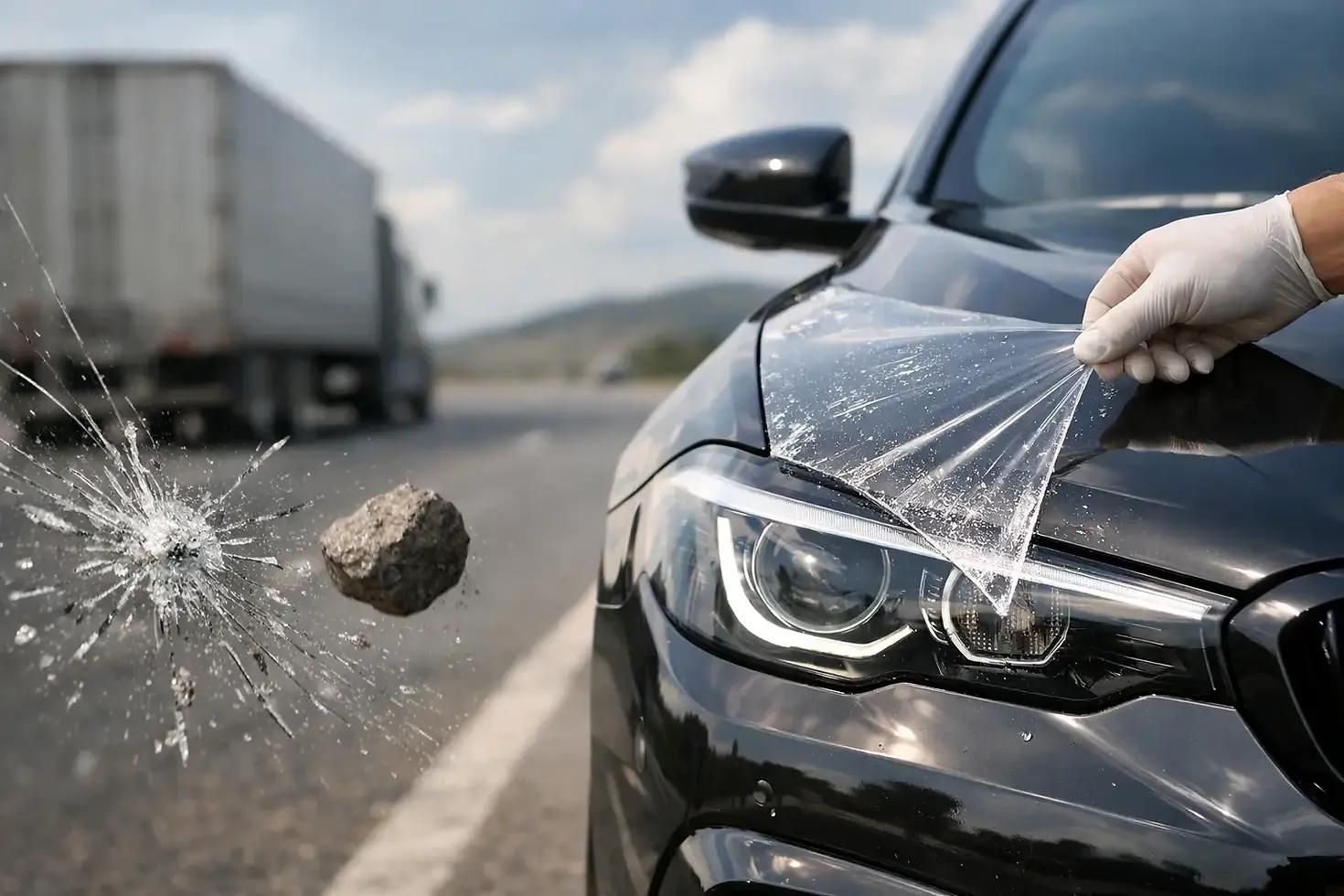
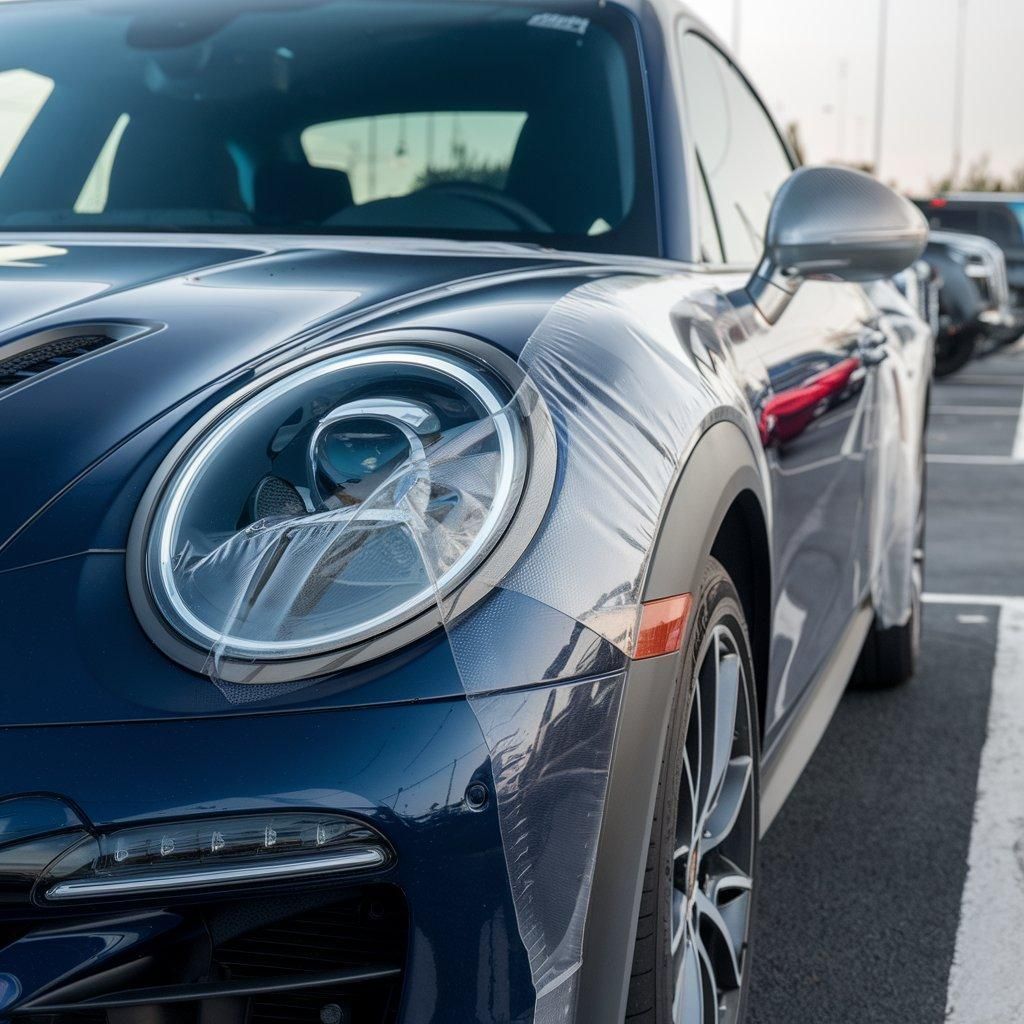
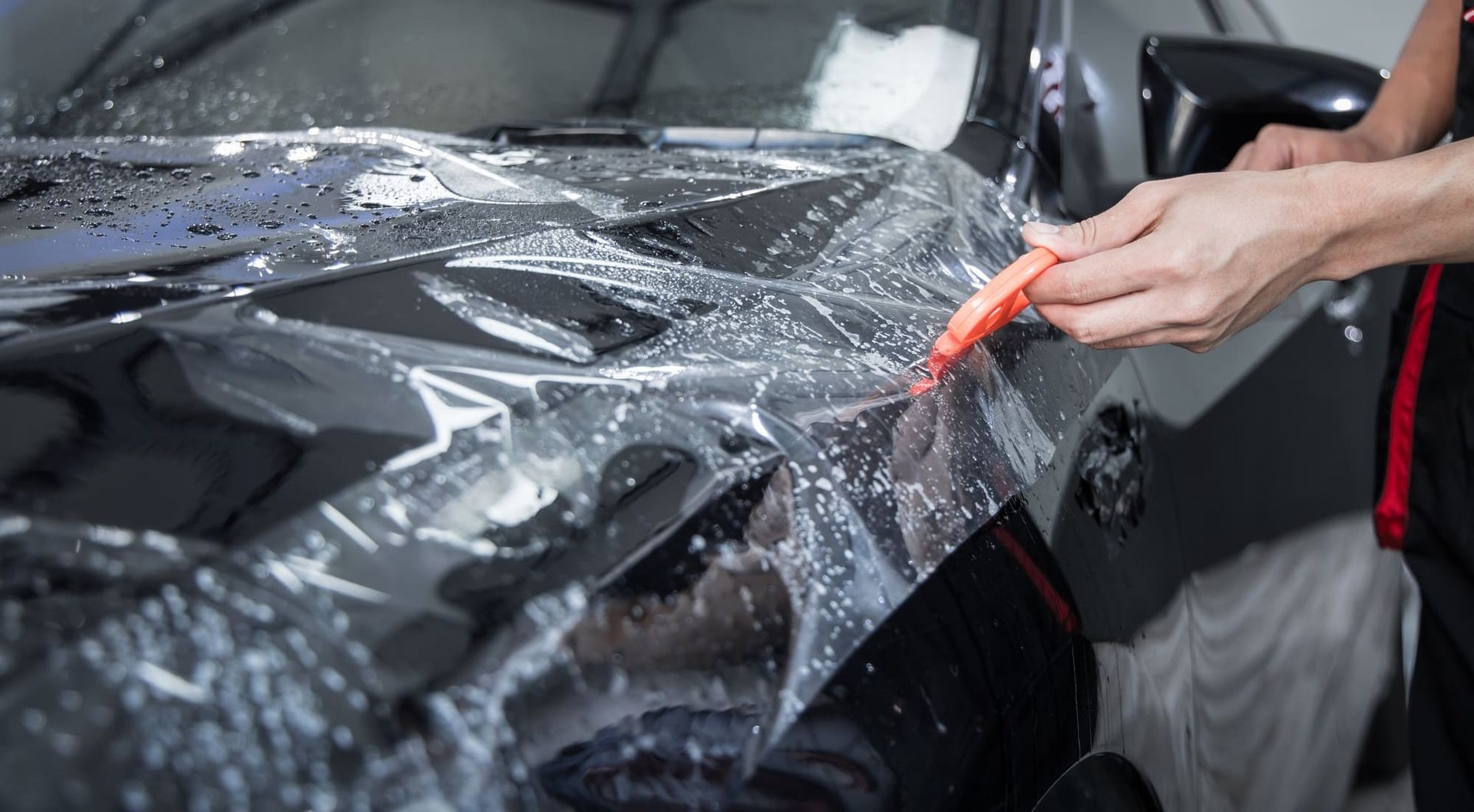
Modern paint protection film is designed to stand between your paint and all those daily hazards. It is a clear urethane layer that takes the hits so your factory finish does not have to.
Here is what quality PPF brings to the table:
- A physical barrier against chips and impacts
- Resistance to tar, road oils, and common chemicals
- Added defense when cleaning off gritty construction grime
Because PPF is an actual film, it absorbs the impact of gravel and road debris instead of your paint. Those little rocks that would normally chip your hood and bumper now hit the film first. This helps keep your original paint smoother and more consistent.
With tar and overspray, the mess sits on top of the film, not buried into your clearcoat. When it is time to clean, you are not scrubbing directly on your paint, which lowers the risk of scratching, staining, or needing aggressive polishing. Tar removers and gentle cleaners can work on the film while your paint stays protected underneath.
Many modern films also have self-healing properties. Light swirls from washing, stray brush marks, and fine scratches from wiping off dust can soften and fade when the film warms up in the sun or with warm water. That helps keep the surface glossy and clear, so your car still looks like real paint, not a plastic wrap, when the installation is done right.
Why Nashville Drivers Trust Professional PPF Installation
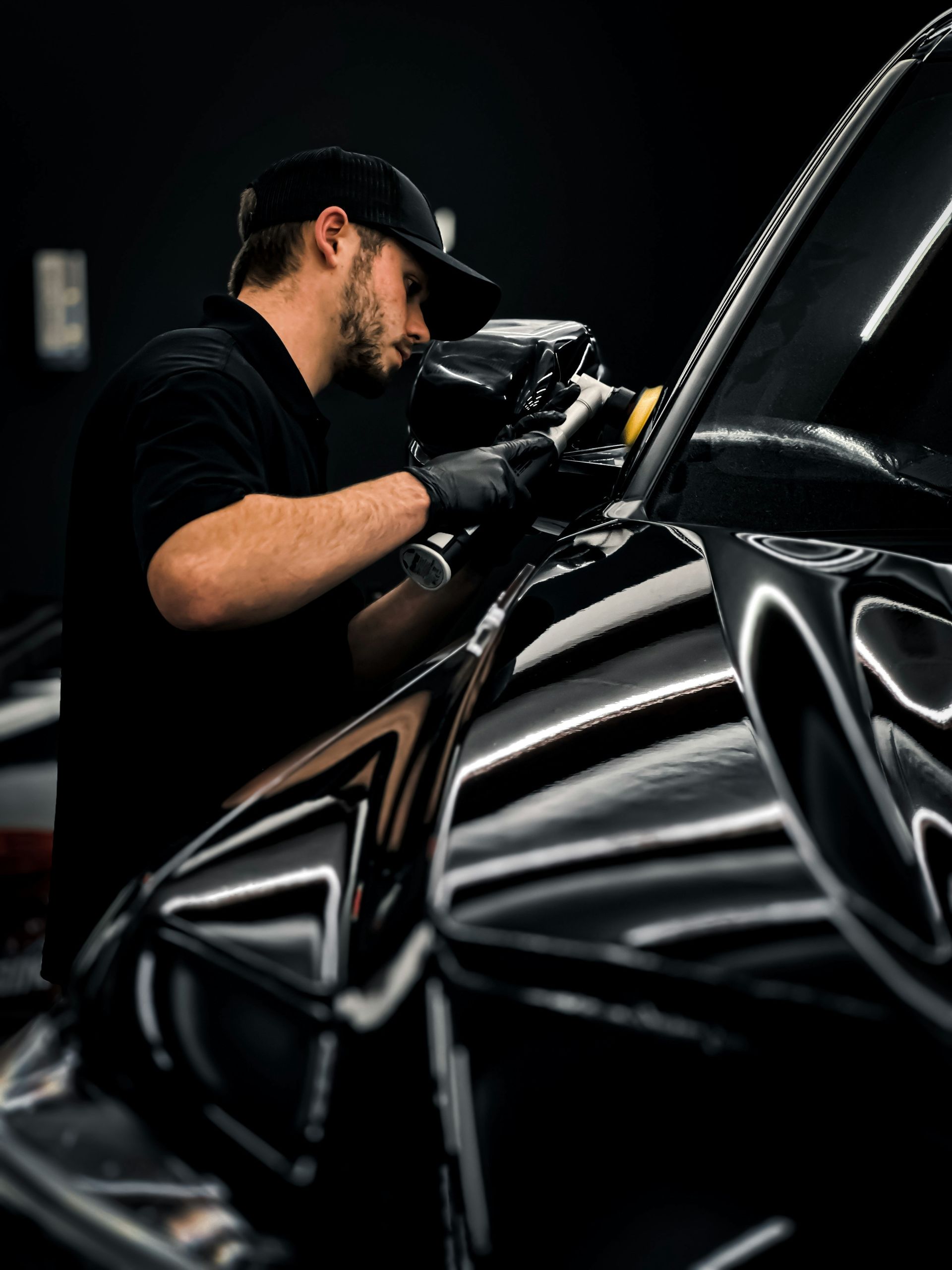
Paint protection film only works its best when it is installed with care. Construction hazards are usually worst in certain spots, so we focus on the areas that see the most abuse.
High-impact zones usually include:
- Front bumper and lower grille
- Leading part of the hood and front fenders
- Side mirrors and A-pillars
- Rocker panels and areas behind the wheels
By targeting those zones, we help shield the parts of your vehicle that take the brunt of gravel, tar, and road work debris. Some drivers choose full front coverage, while others add extra film on rocker panels or even full body coverage, depending on how and where they drive.
At Music City Window Tinting in
Brentwood, we use
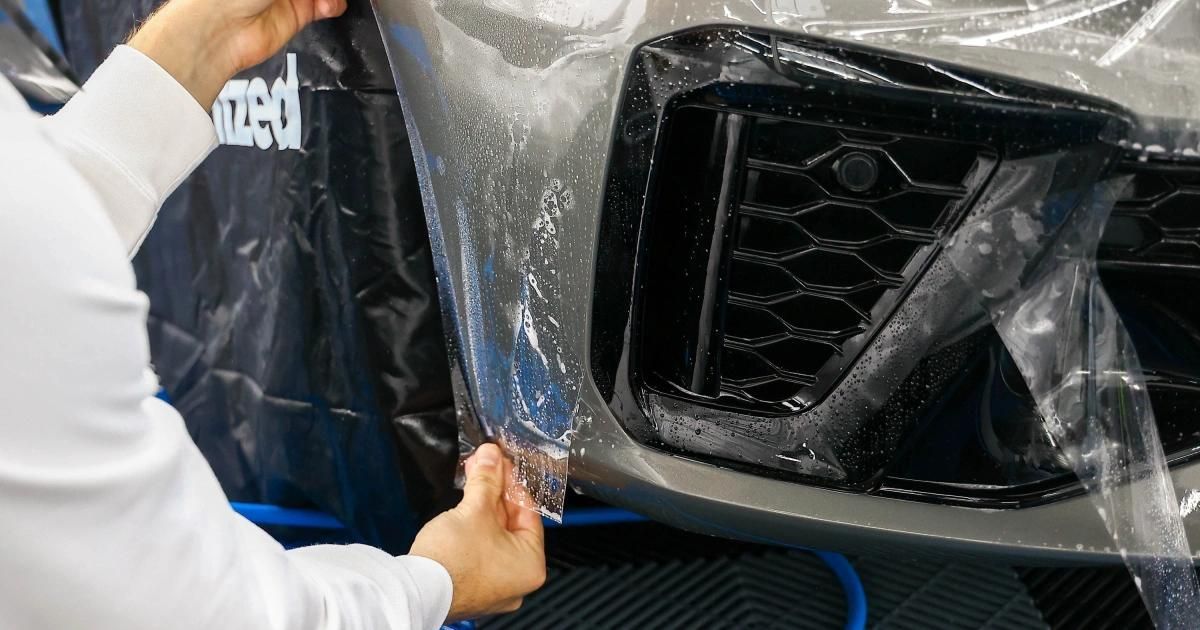
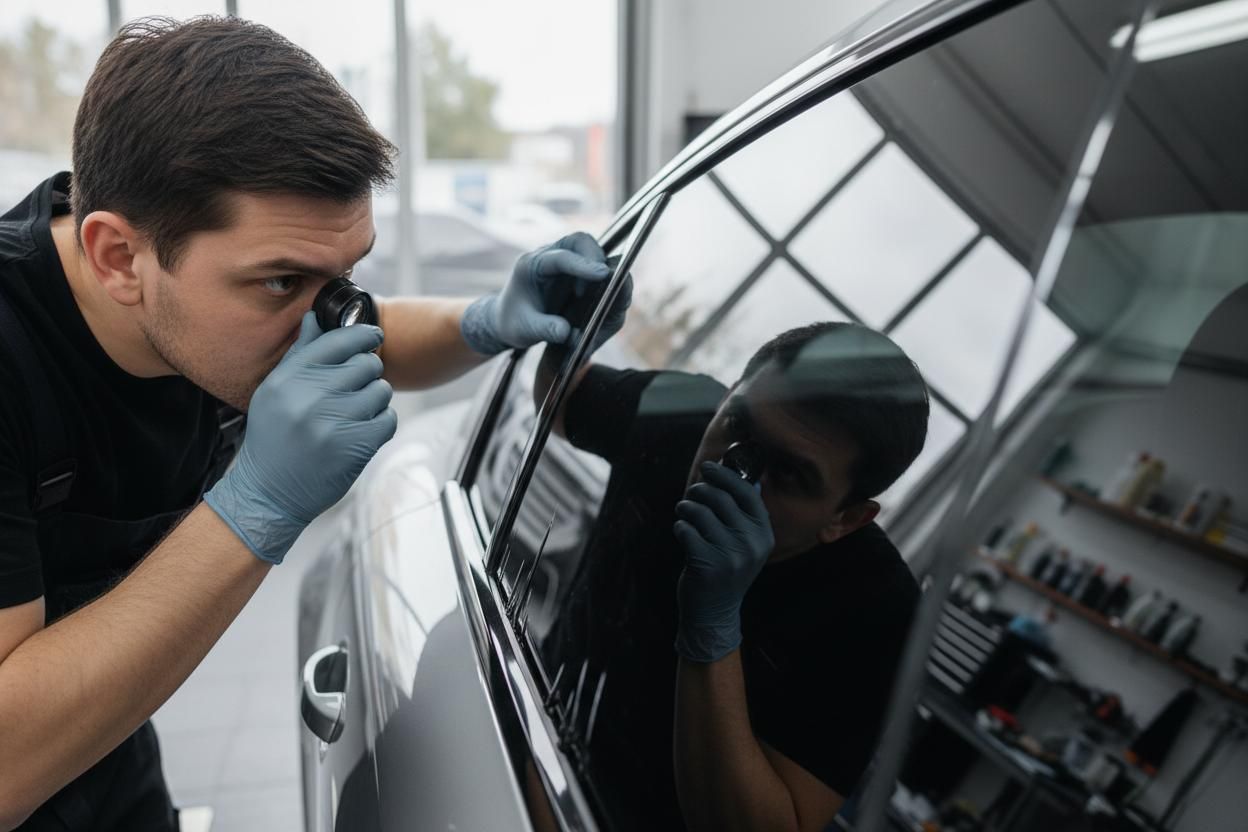
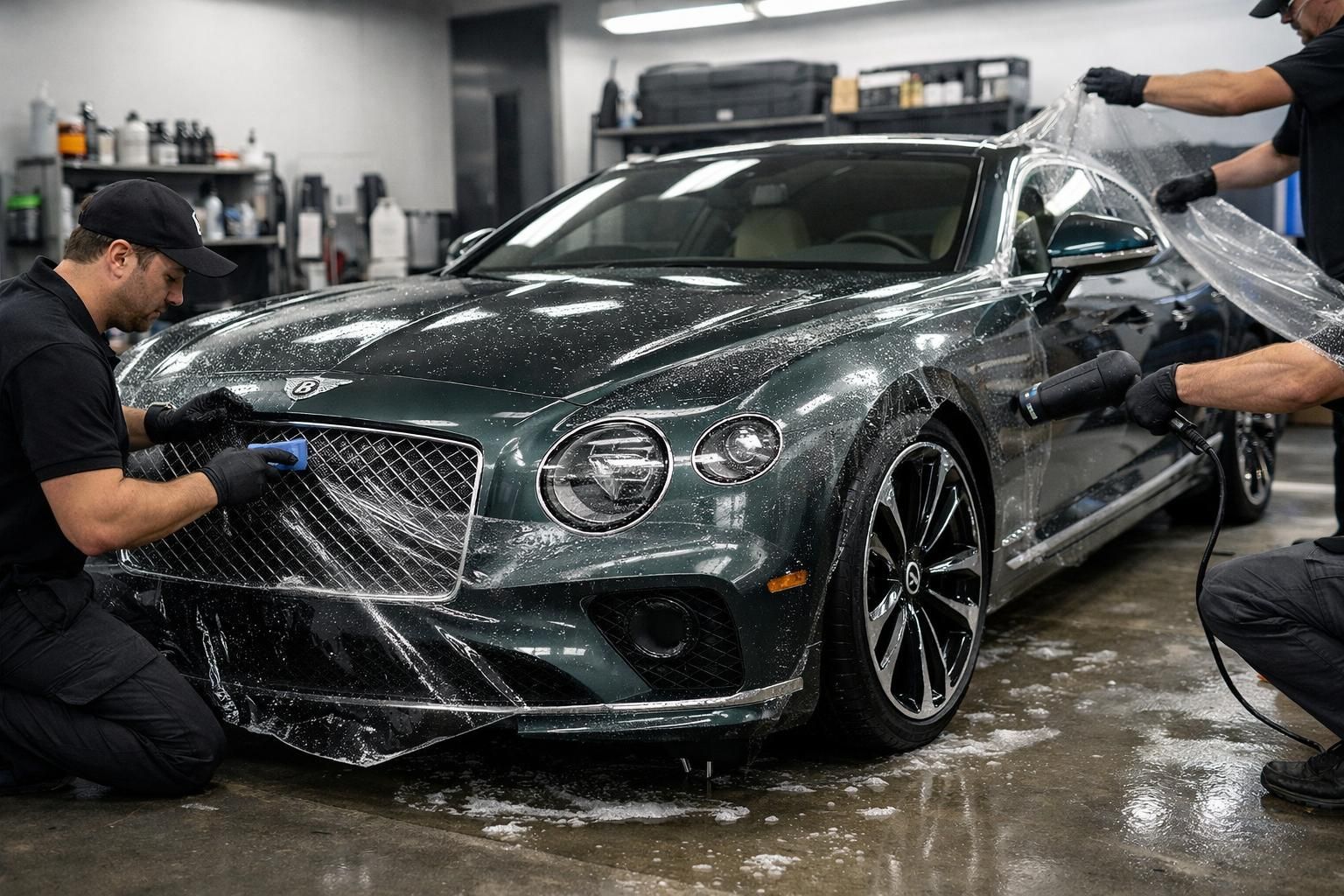
LLumar paint protection film so drivers get clear optics and long-lasting performance in our hot, sunny, and humid conditions. Prep work is a big part of what makes PPF look good and last. That means careful cleaning, paint decontamination, and a controlled space so dust is not trapped under the film. Edges are aligned and wrapped where possible, which helps lower the chance of peeling corners, bubbles, or lifted spots that you often see with quick or DIY installs.
Seasonal Strategies for Surviving Summer Road Work
PPF is a strong layer of protection, but a few smart driving habits can also help reduce damage when construction ramps up.
Try simple habits like:
- Checking traffic or local updates for big road projects
- Avoiding lanes that were just paved or freshly striped
- Leaving extra room behind dump trucks or utility vehicles
- Skipping street parking right next to active job sites
Pairing paint protection film with other services can also work well. A quality ceramic coating on top of PPF can make tar, bugs, and concrete dust easier to wash off, since it adds slickness and helps things release more quickly. Window tint can help shield your interior from UV and heat when you are crawling past lane closures on I-65 or sitting in long delays near downtown.
After driving through work zones, it is a good idea to rinse off your car sooner rather than later. Use gentle wash methods, plenty of water, and clean wash tools so you are not grinding dust into the surface. If you notice heavy tar buildup, thick overspray, or a big hit from road debris, having a professional take a look helps catch any issues early and keep your protection working like it should.
Shield Your Ride Before the Next Orange Barrel Season
Construction and growth around Nashville are not slowing down, and the paint on your vehicle faces those challenges every day. Getting paint protection film in Nashville, TN before the peak of summer road work can prevent a lot of the damage that usually piles up over time.
Music City Window Tinting creates custom protection plans based on how and where you drive, whether you want coverage on high-impact areas, a full front, or more complete protection for long commutes and frequent job site visits. A thoughtful setup can keep tar, concrete dust, and overspray from turning your paint into a long-term project and help your vehicle keep its clean, cared for look through many construction seasons to come.
Protect Your Vehicle’s Finish With Proven Long-Term Defense
Choosing
Music City Window Tinting means your paint gets the protection it deserves with products installed by experienced professionals who care about the details. If you are ready to shield your car from rock chips, road debris, and everyday wear, explore our
paint protection film in Nashville, TN. We will walk you through your options, answer your questions, and
schedule an installation that fits your timeline.