When Nashville PPF and Ceramic Coating Work Better Together
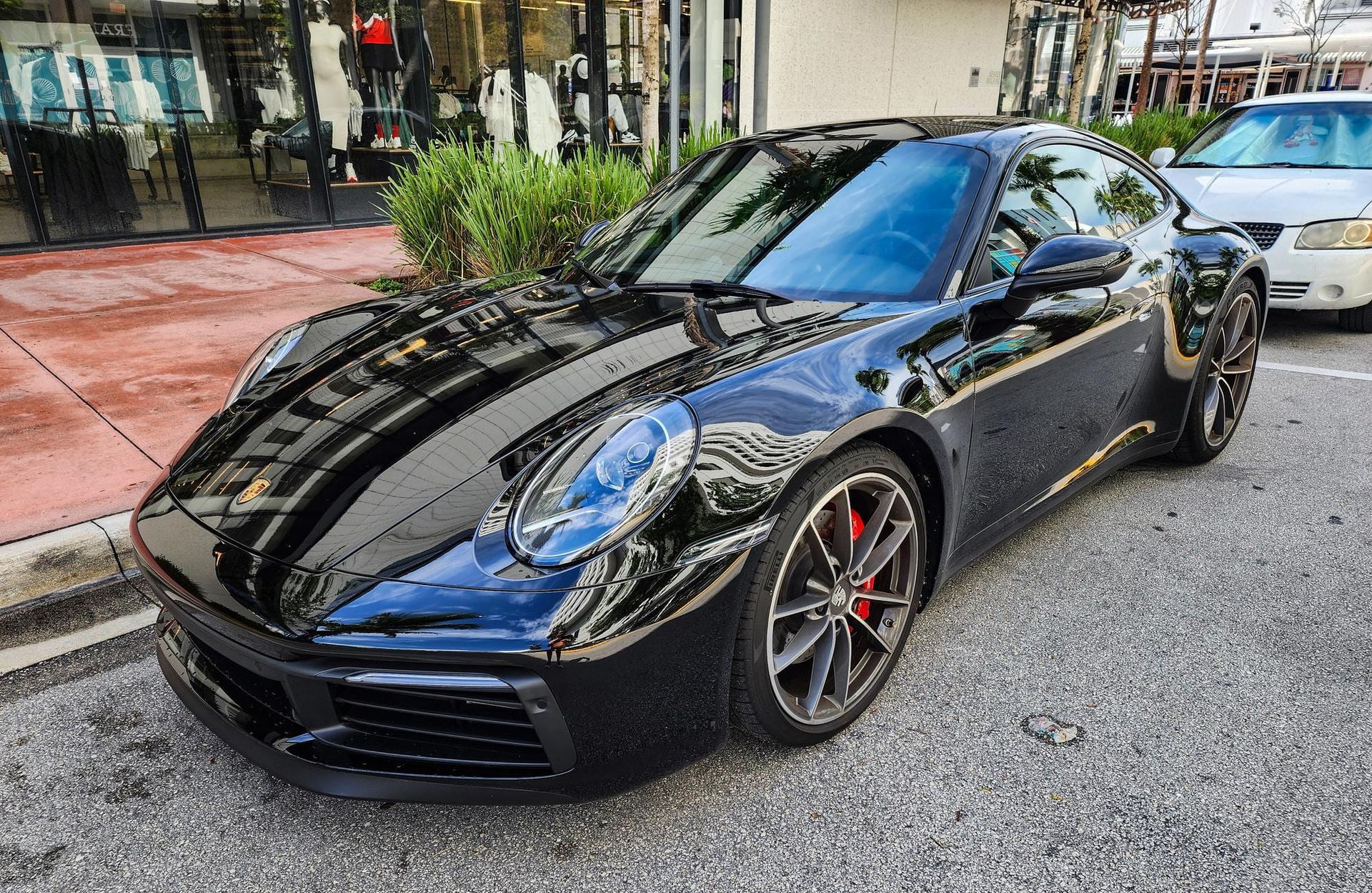
When the Nashville Heat Makes Protection a Priority
Strong sun and heat are hard on paint, especially around Nashville. Long days of UV and hot pavement can speed up fading, oxidation, and clear coat failure. Add in summer storms and heavy traffic, and your car’s finish takes a beating every day.
A lot of drivers hear about PPF vs. ceramic coating in Nashville and think they have to pick one. In reality, these two technologies do different jobs, and many Middle Tennessee drivers get the best results when they work together. We will walk through what each one does, when each makes sense, and why a combo can be a smart choice for drivers in Nashville, Brentwood, and Franklin.
What PPF Really Does for Nashville Roads
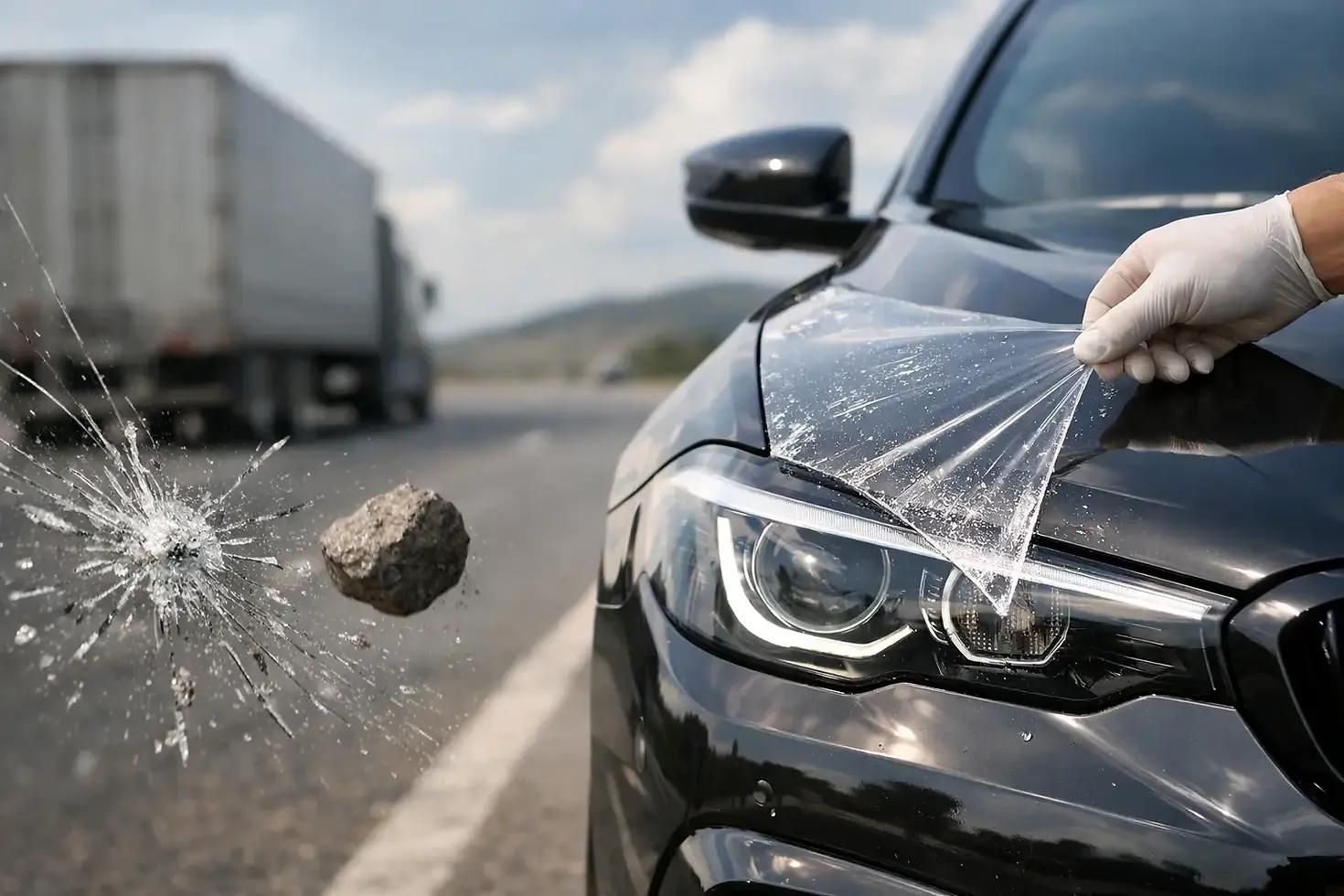
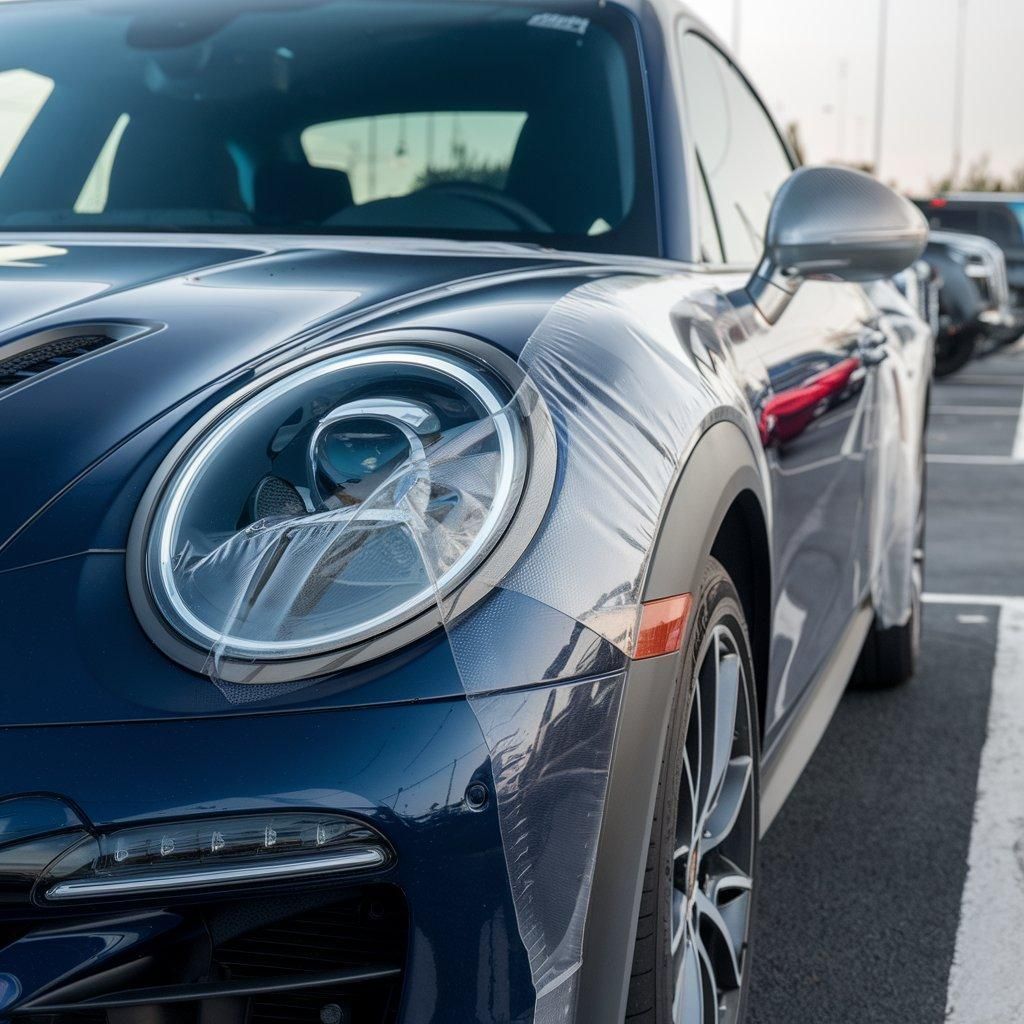
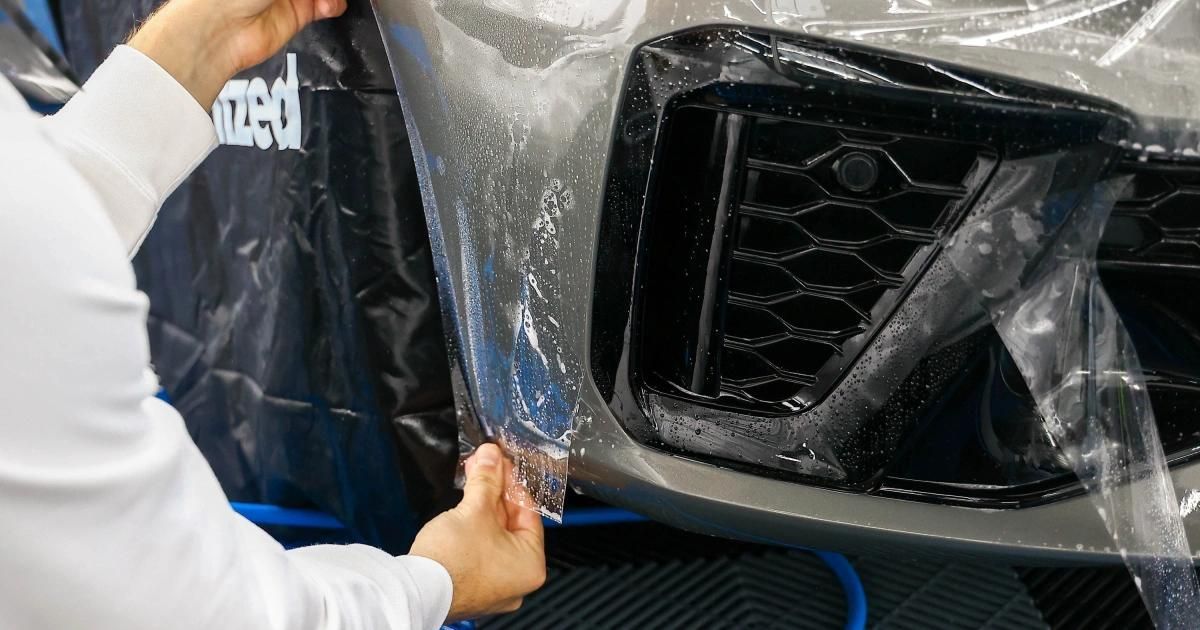
Paint protection film, or PPF, is a clear urethane film that sits on top of your paint. It is thick compared to normal clear coat, and it is made to take the hit so your factory finish does not have to. Many modern films are self-healing, so light swirls from washing or road grit can relax out with warmth from the sun.
On Middle Tennessee roads, PPF helps in ways that matter every single day:
- Rock chips from I-65, I-24, and I-40
- Grit and gravel from resurfaced or patched roads
- Bugs and tar on front bumpers and lower panels
- Random debris kicked up during sudden summer storms
PPF is also useful around town. Tight downtown parking can lead to light scuffs on bumpers and edges. Country roads and driveway gravel can pepper rocker panels and lower doors. With film in the right spots, those marks are more likely on the film instead of your paint.
It is important to keep expectations realistic. PPF is made to:
- Absorb impact from small rocks and road debris
- Help prevent minor scratches and scuffs
- Preserve the original paint under the film
- Be removed and replaced in a damaged area if needed
It is not designed mainly for shine or easy washing, even though good film can look very glossy. Think of PPF first as armor for your paint, especially on the front of the vehicle and other high-impact spots.
How Ceramic Coating Changes Daily Driving
Ceramic coating is different. It is a liquid nano-ceramic product that bonds to your clear coat, then cures into a hard, thin layer. It does not add much thickness, but it changes the surface so it feels slick and looks deeper and glossier.
For Nashville’s climate, that slick surface has real benefits:
- Bug guts from summer highway drives are less likely to stick hard
- Bird droppings from parking under shade trees can be easier to remove
- Pollen, dust, and light dirt rinse off more easily
- Water tends to bead and roll off instead of sitting and spotting
Because of this, ceramic coating can make washing faster and simpler. The car often stays cleaner between washes, and the shine tends to last longer with proper care. The paint can look richer and more reflective, which is a nice bonus on darker or bright colors.
But ceramic coating does not stop the impact from a rock at highway speed. It does not block deeper scratches from road debris, careless door swings, or automatic car washes. Think of ceramic as protection against chemicals and staining, and a big upgrade in gloss and cleanability, not as a shield against chips.
PPF vs. Ceramic Coating in Nashville Explained Clearly
To keep it simple, it helps to compare PPF vs. ceramic coating in Nashville using real-world driving.
If you are on busy highways every day, PPF shines. The front of the car is constantly hit by gravel, sand, bugs, and bits of road. Ceramic will not stop those chips, but PPF can absorb a lot of them. For a new car or a vehicle you want to keep long term, that can make a big difference.
If you spend more time in the city, parked in garages or surface lots, ceramic coating might feel more important. It makes it easier to wash off rain spots, pollen, and grime that builds up from stop-and-go traffic. It also helps with bird droppings under parking lot trees and keeps the car looking glossy with less effort.
Here is a quick way to see the main differences:
- PPF: Impact protection, thicker, self-healing for light marks, focused on front and high-impact areas
- Ceramic: Chemical and environmental resistance, very slick and hydrophobic, applied to painted and sometimes plastic surfaces for overall shine
Different types of owners often lean one way or another:
- PPF focused: Highway commuters, owners of new cars, sports cars, trucks that see a lot of miles
- Ceramic focused: Leased vehicles, show or weekend cars that see less highway abuse, city drivers who mainly want easier cleaning and shine
Both are helpful, but they solve different problems. That is why a lot of local drivers end up with a mix of the two.
When PPF and Ceramic Coating Work Better Together
For many cars in Middle Tennessee, the “best of both worlds” setup makes the most sense. This usually means PPF in the areas that take the most abuse, with ceramic coating on top of the film and on the rest of the paint.
A common combo looks like this:
- PPF on front bumper, hood, front fenders, mirrors, and rocker panels
- Ceramic coating over the PPF
- Ceramic on the remaining exposed paint and often on trim and wheels
On hot summer days with strong sun, interstate drives, concert traffic, and tailgating, this combo really shows its value. The PPF takes on the rock chips, tar, and physical hits. The ceramic on top makes bug splatter and road grime easier to wash off the film and the bare paint.
The two layers support each other:
- PPF protects against impact that ceramic cannot handle
- Ceramic makes both the film and the paint more resistant to staining
- The slick feel of ceramic helps keep the PPF looking clearer and cleaner
- Washing is simpler, which helps the whole system last longer with proper care
Instead of thinking PPF vs. ceramic coating in Nashville, it becomes PPF plus ceramic where each is strongest.
Smart Protection Strategies for Local Drivers
At Music City Window Tinting, we see a wide range of driving habits around Nashville, Brentwood, and Franklin. Some vehicles see long highway commutes, some rarely leave city streets, and others split time between errands, work, and road trips. The best setup often depends on how and where the car is driven, what type of vehicle it is, and how long the owner plans to keep it.
A few common strategies many drivers consider are:
- Full front PPF package plus ceramic coating on the whole vehicle
- Full-body PPF with ceramic coating on top for maximum coverage
- Targeted PPF on high-wear areas combined with ceramic on all painted surfaces
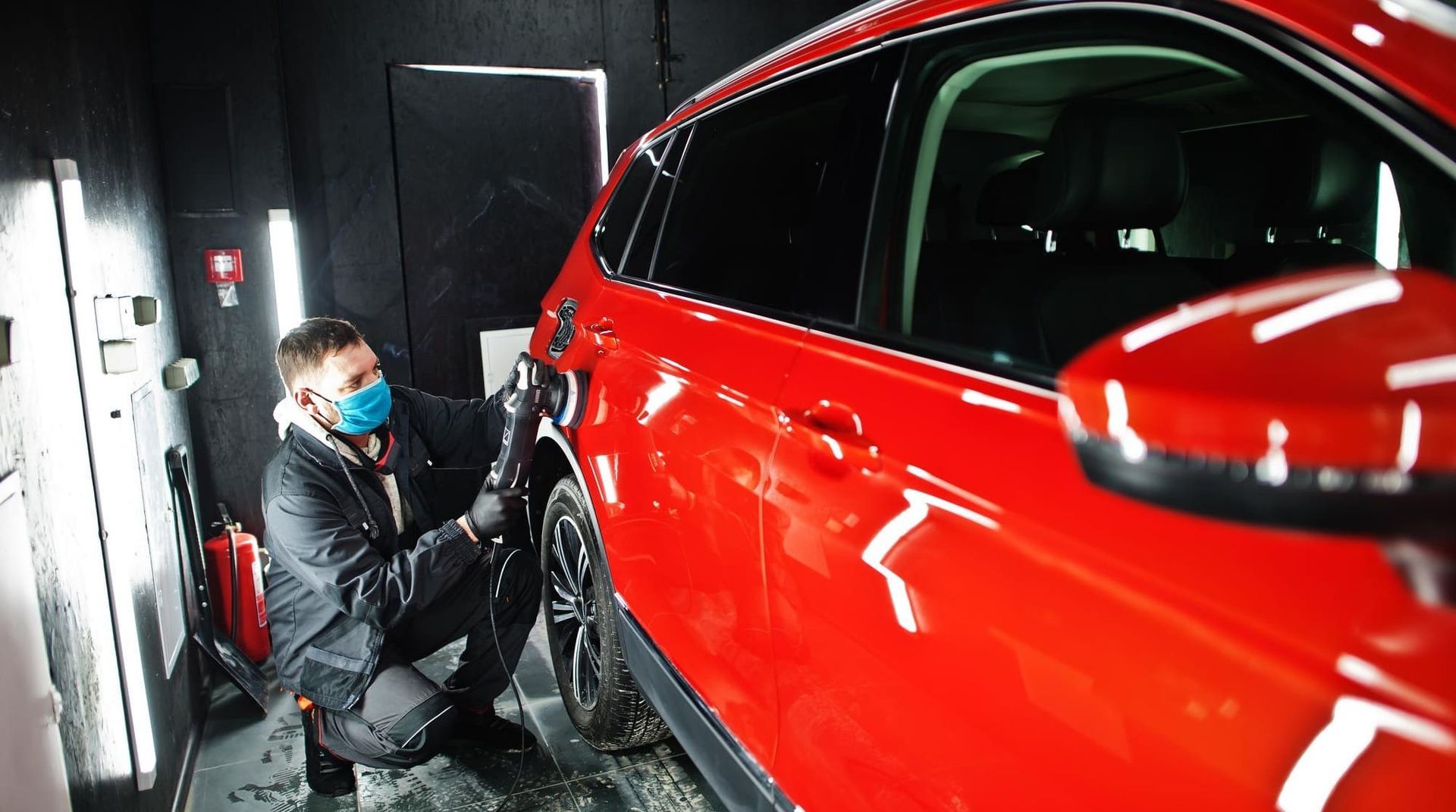
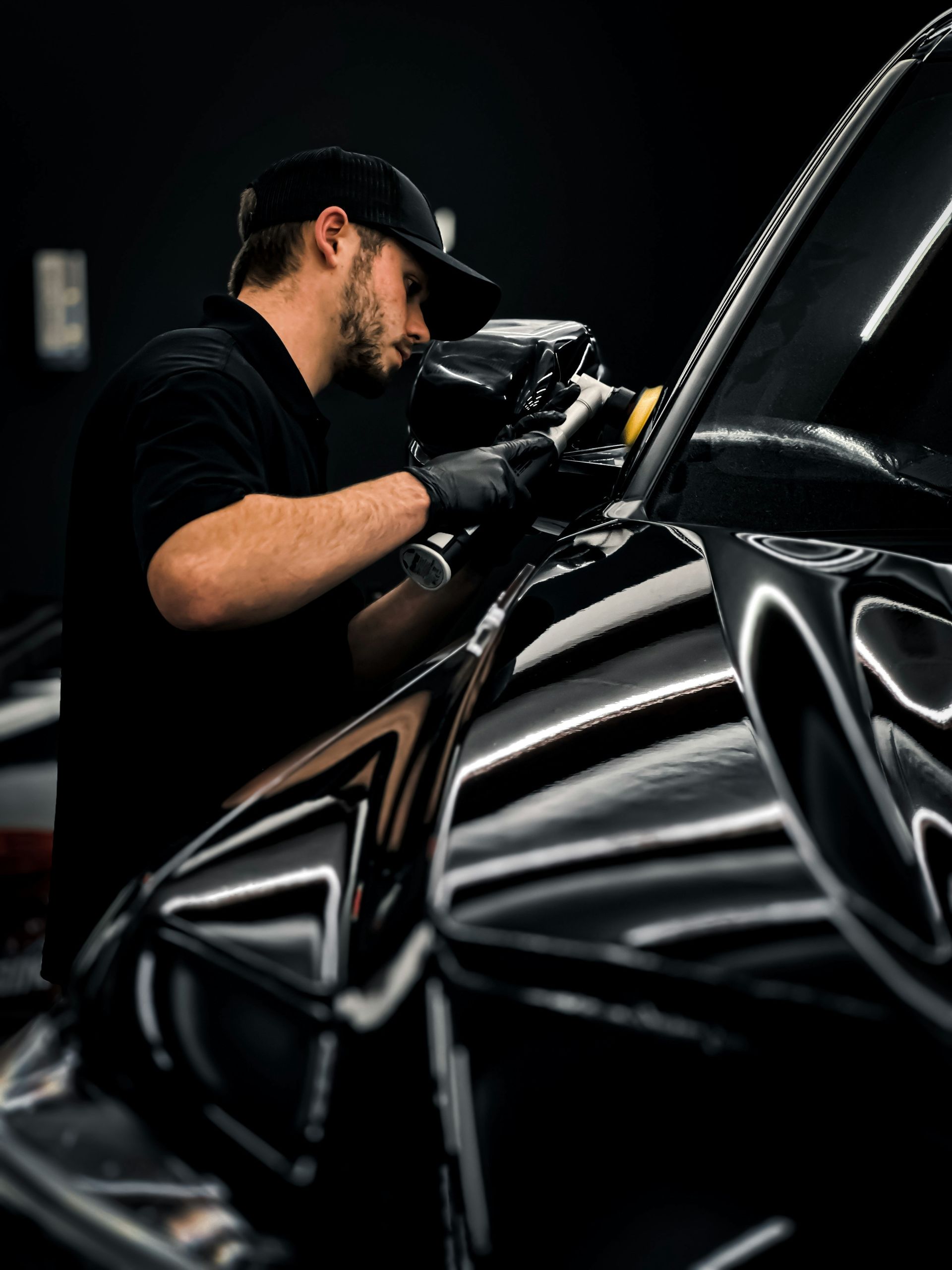
Professional installation matters for both PPF and ceramic. Careful prep, a clean and controlled shop environment, and quality products are key for long-term performance and a clean, factory-like look. That is where an experienced local team makes a difference, from explaining options to installing the film and coating the right way.
Protect Your Vehicle With the Right Long-Term Finish
If you are weighing your options between paint protection film and ceramic coatings, our team can walk you through every detail of
PPF vs. ceramic coating in Nashville so you can make the best choice for your vehicle. At
Music City Window Tinting, we match our recommendations to how you actually drive and care for your car.
Reach out today to
schedule a consultation, get straightforward pricing, and see how we can help your paint look better and last longer.