Self-Healing PPF in Nashville: Before/After Case Studies of Common Damage
Nashville Streets Are Tough on Your Paint
Daily driving around Nashville is rough on a clean car. Strong summer sun, surprise storms, road work, tight parking garages, and crowded shopping centers all team up to beat up your paint. Even if you baby your vehicle, light swirls, small scuffs, and brush wash marks still show up over time.
Self-healing paint protection film (PPF) is one of the best ways to guard against that slow, constant wear. It is a clear film that sits on top of your paint and takes the abuse so your clear coat does not have to. Here, we will walk through real-world case study scenarios so you can see how self-healing paint protection film in Nashville handles common damage like light swirls, parking lot rubs, and marks from automatic car washes.
What Makes Self-Healing PPF Different From Wax or Ceramic
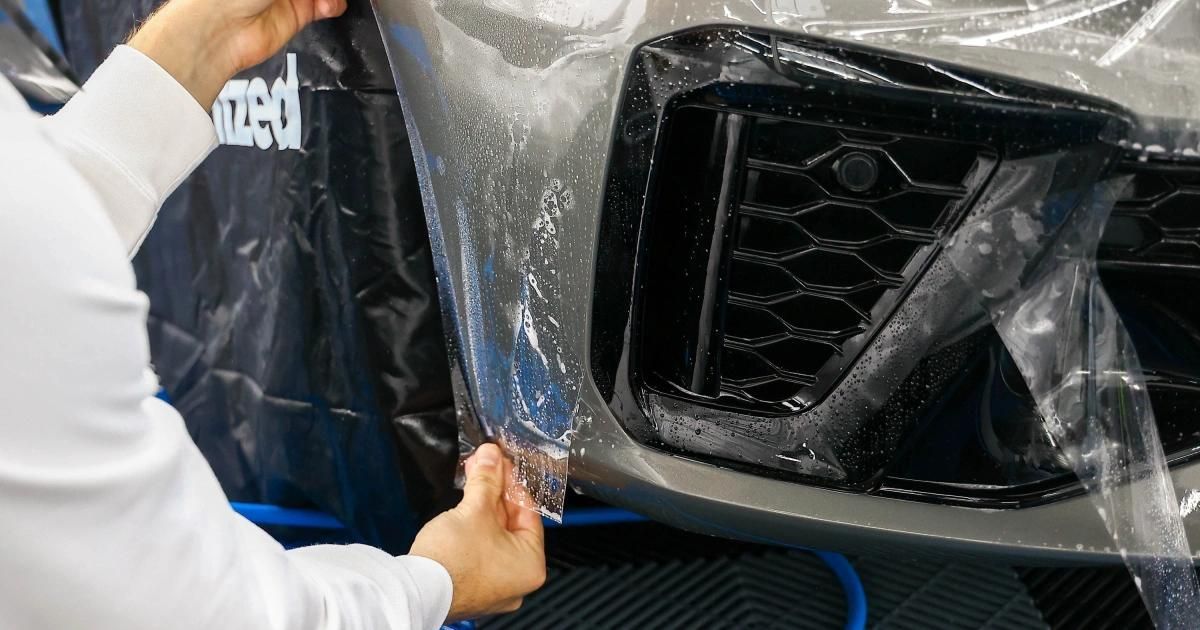
Self-healing PPF is built very differently from wax or a ceramic coating. It is a multi-layer, clear urethane film with a slick top coat. The self-healing part lives in that top layer. When it gets light scratches or swirl marks, heat helps the surface relax and smooth back out.
Here is how the protection levels compare in simple terms:
- Bare paint: looks great at first, but chips, stains, and swirls show up fast
- Wax: adds short-term shine and a bit of slickness, but wears off fairly quickly
- Ceramic coating: adds longer-lasting gloss and makes cleaning easier, but it is still thin and does not stop rock chips
- Self-healing PPF: adds a thicker, impact-resistant layer that can absorb small hits and self-heal fine marks with heat
For Nashville drivers, self-healing PPF brings some specific benefits:
- Strong UV resistance under the hot August sun so paint does not fade as quickly
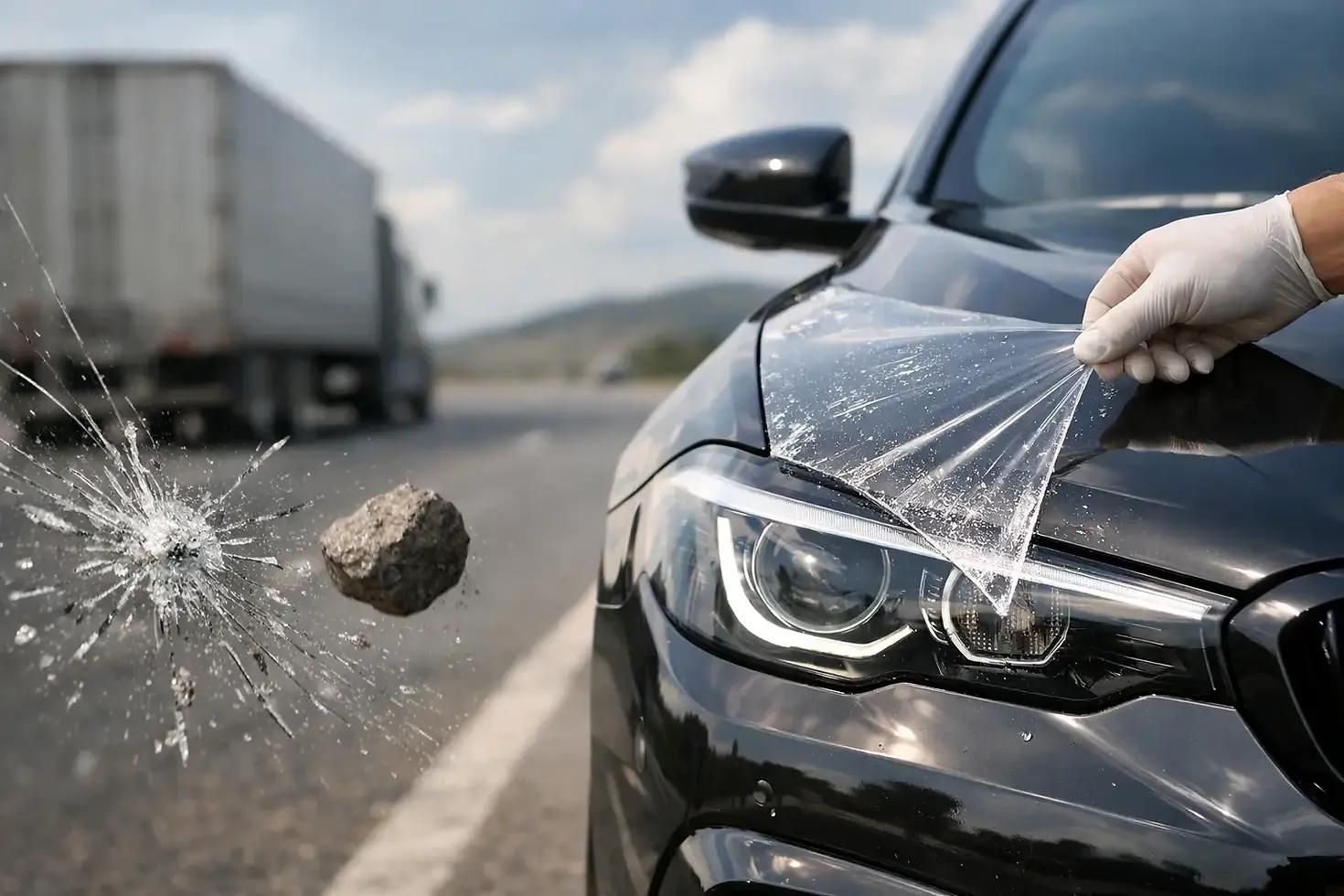
- A sacrificial layer between your paint and highway debris from I-65, I-24, and I-40
- Protection from bug splatter, tree sap, and light staining that can etch unprotected clear coat
Wax and ceramic are still helpful, but they work best as support on top of or around PPF, not as a replacement for it.
Case Study Scenario 1, Light Swirls From Summer Driving
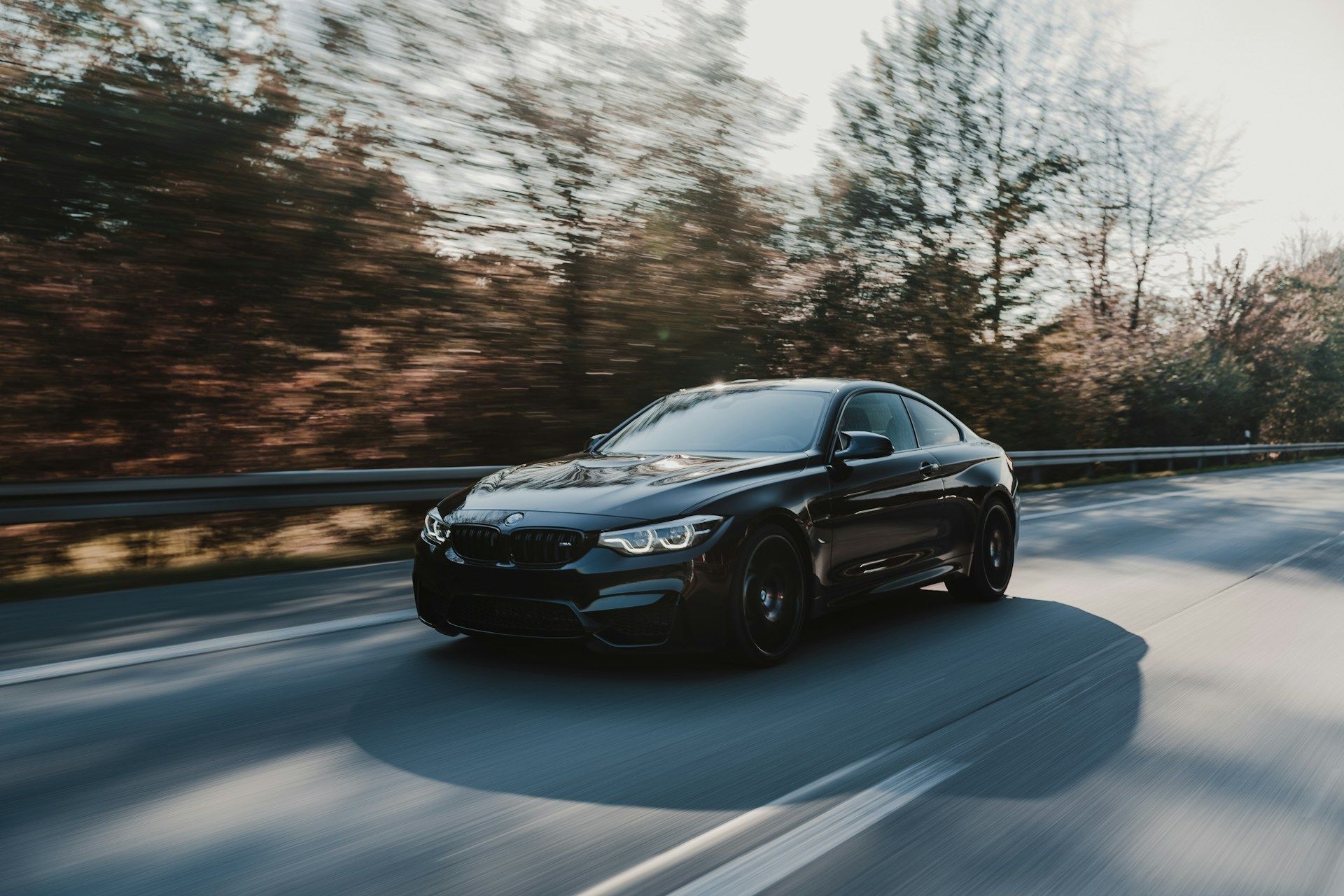
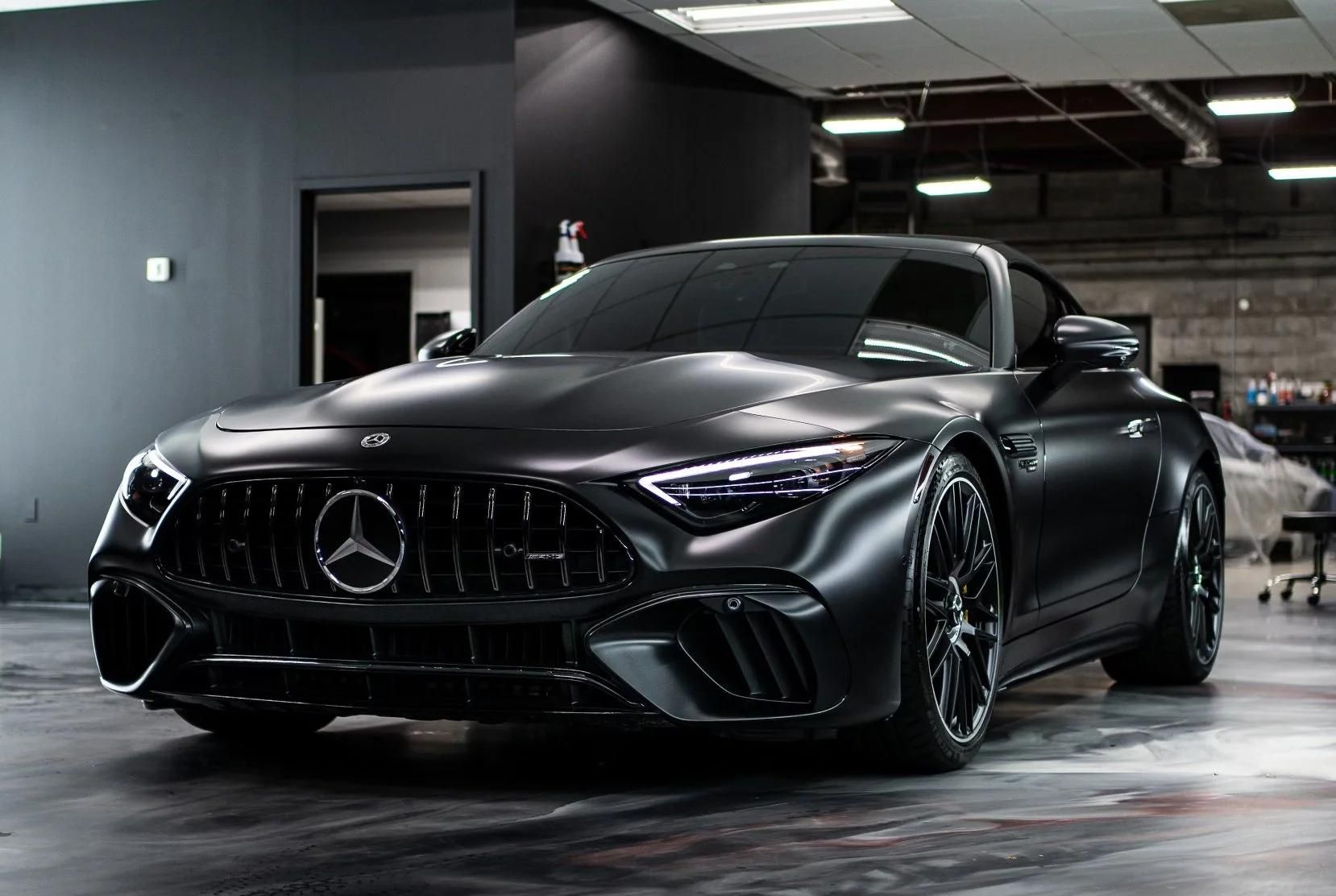
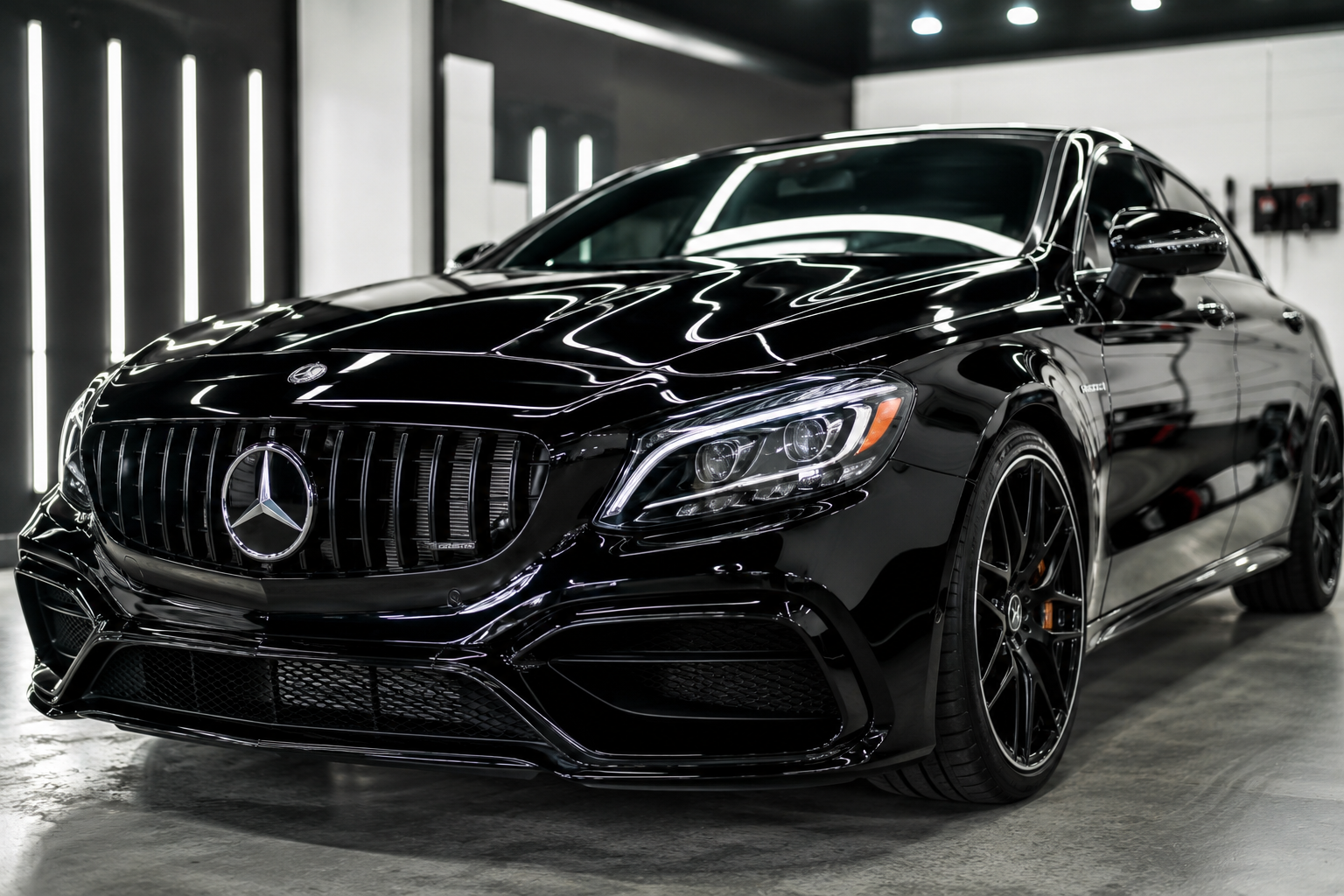
One of the most common problems we see is a newer black SUV or sports car with soft clear coat that already has light swirls. These marks come from daily commuting, wiping dust with a dry towel, or quick washes with the wrong mitt. In bright sun, the paint looks hazy and tired, even though the vehicle is fairly new.
With self-healing PPF, we usually focus on high-impact areas like:
- Front bumper
- Hood and partial or full fenders
- Side mirrors and sometimes A-pillars and headlights
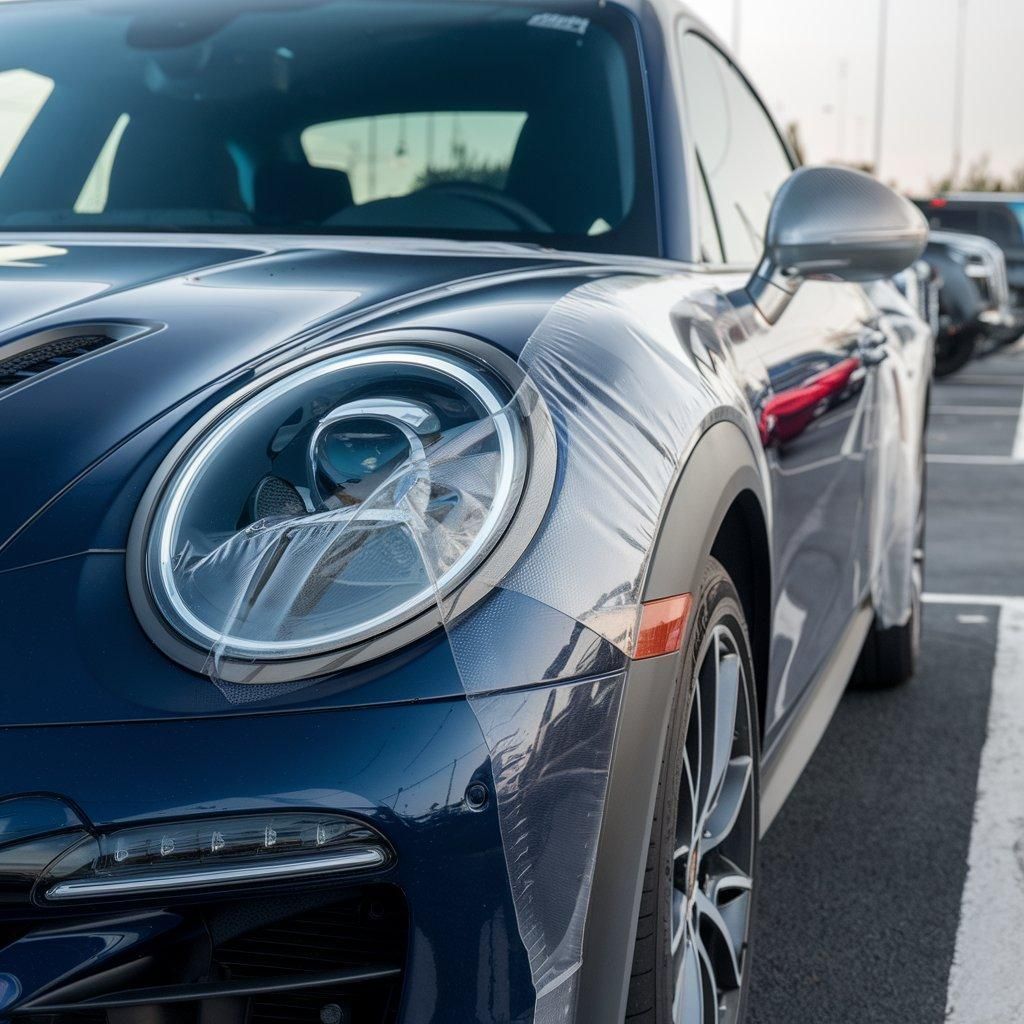
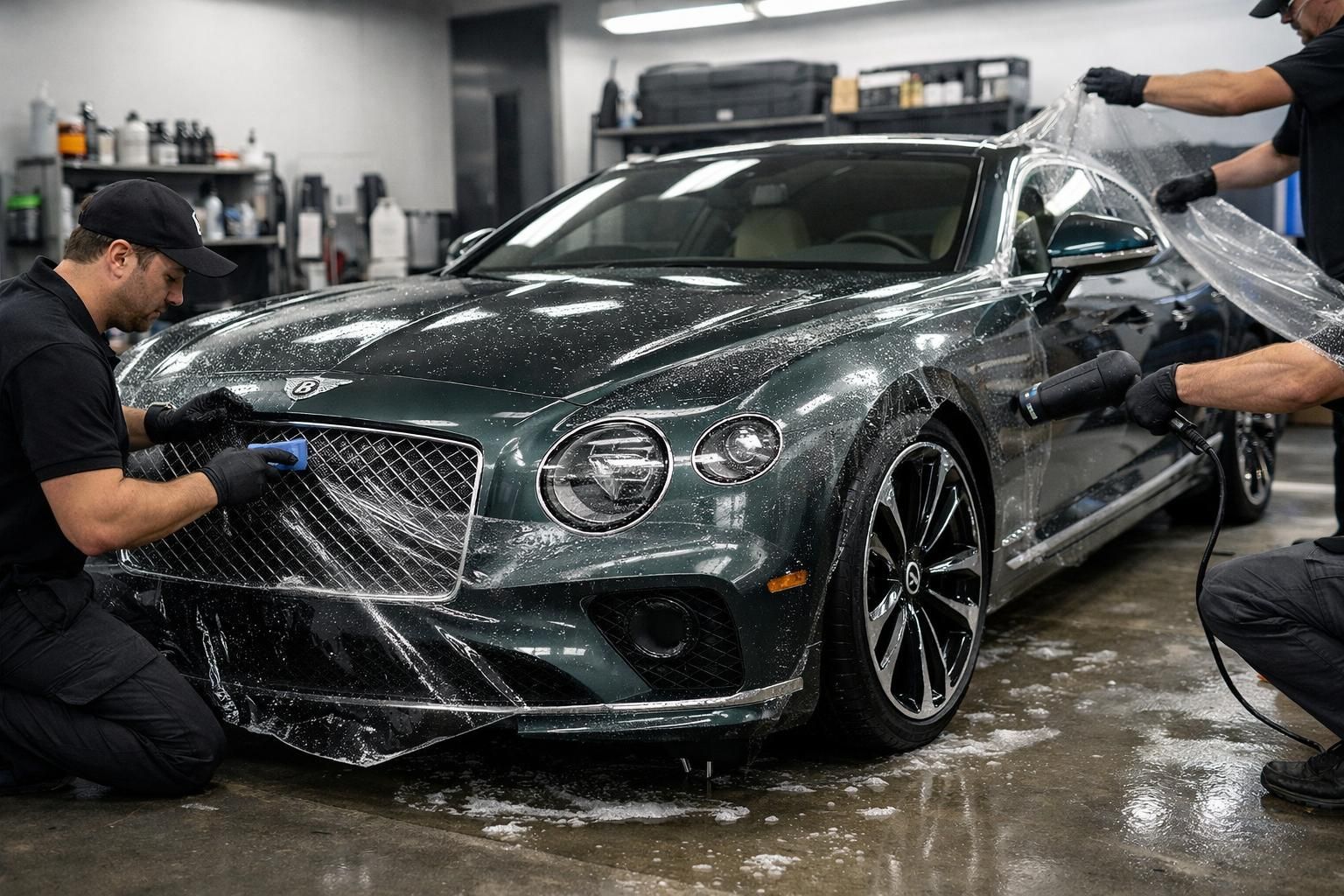
The paint is cleaned and prepared, then the film is installed and aligned so body lines still look sharp. Right away, the surface usually looks deeper and more glossy because the film levels out the look of the clear coat.
Over time, light swirl marks can appear on the film itself from normal washing and drying. This is where self-healing really stands out. With warmth from Nashville sun, a warm garage, or a rinse with warm water, many of those fine swirls soften and fade. The surface levels out again, and the vehicle keeps that glossy, almost wet look without constant polishing.
Case Study Scenario 2, Parking Lot Scuffs and Door Dings
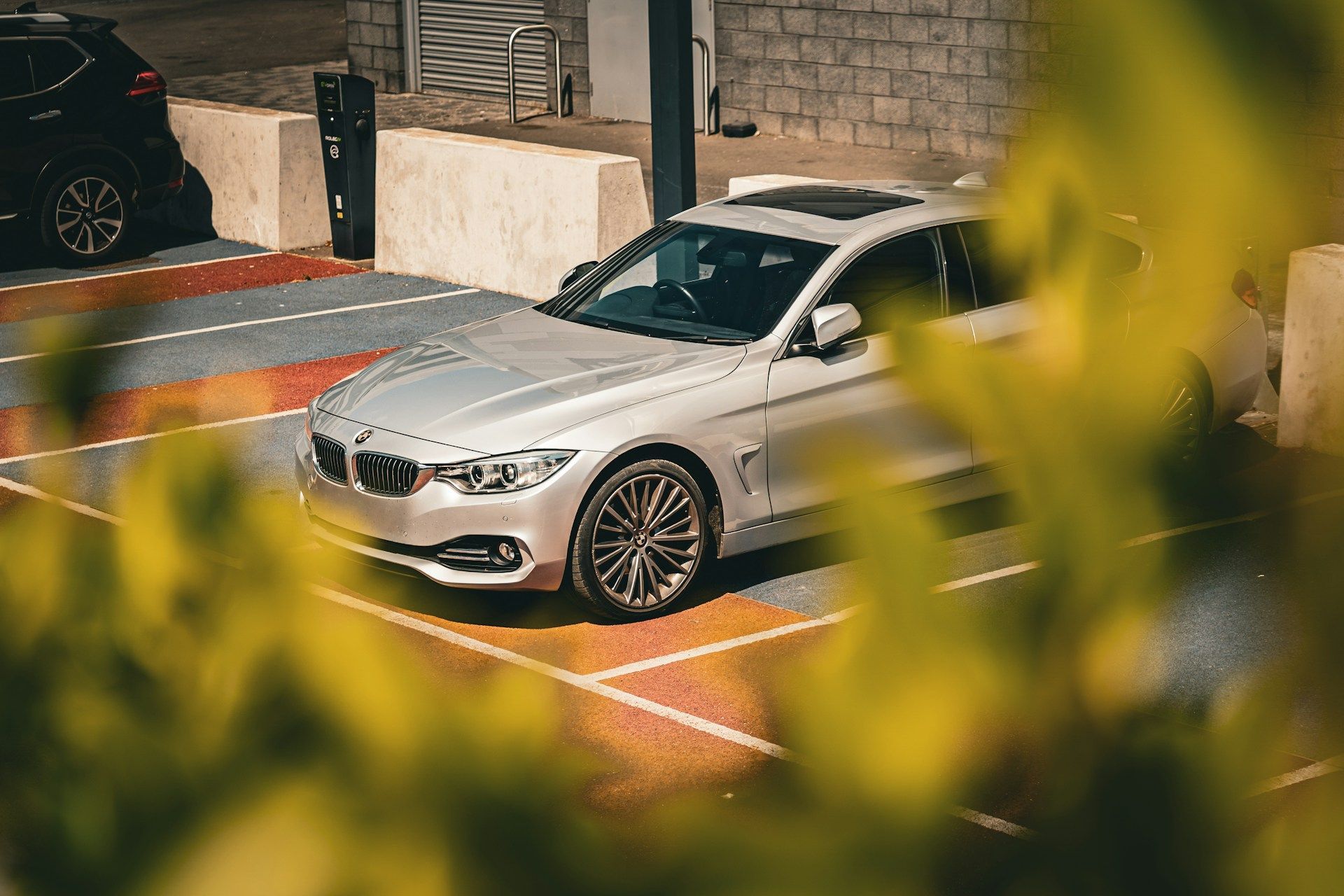
Crowded parking is a daily part of life around Nashville. Think busy shopping centers, downtown parking decks, and big events where everyone is squeezing into tight spots. In those spots, doors get bumped, purses and backpacks scrape along panels, and you end up with light scuffs and paint transfer from other vehicles.
On bare paint, that usually means:
- Visible rub marks around door edges and fender lines
- Light paint from a neighbor’s door sitting on top of your clear coat
- Small scuffs that can catch the light and are hard to ignore
With self-healing PPF in place, many of those marks end up in the film instead of your paint. The clear layer takes the hit. Often, colored paint transfer from another car is sitting on the surface of the film. With the right cleaning products and methods, that transfer can usually be removed without cutting into your own paint.
Fine abrasions in the film’s top layer can soften over time as the film warms up. While PPF will not stop every deep ding, it can greatly reduce how often you need paint correction or a body shop visit for light contact. That means fewer headaches from small parking lot mishaps.
Case Study Scenario 3, Brush Wash Marks and Quick Wash Damage
Busy Nashville drivers often rely on automatic brush car washes. They are fast and easy, especially during hot summer months when nobody wants to wash by hand in the driveway. The tradeoff is that those spinning brushes can leave fine, circular scratches across the hood, trunk, and doors.
On unprotected paint, repeated brush washes can lead to:
- A dull, hazy look when the sun hits at the right angle
- Spider web swirl patterns, most obvious on black or dark blue vehicles
- A constant need for polishing to keep the paint looking fresh
When self-healing PPF is installed first, many of those brush marks stay in the film, not the clear coat. Because the film is designed to self-heal with gentle heat, sunlight or warm water can help the surface relax, which reduces or even erases light brush marks.
Even with PPF, we still suggest better wash habits, such as:
- Hand washing with a clean mitt and two-bucket method when possible
- Using a touchless wash if you must use an automatic system
- Drying with a clean, soft microfiber towel instead of rough rags
These simple steps help keep both the film and the paint looking cleaner and clearer over the long term.
Long-Term Results and Maintenance in Nashville’s Climate
When self-healing paint protection film in Nashville is professionally installed and cared for, it can give multiyear defense against chips, swirls, and early oxidation. The film acts like a clear shield between your vehicle and the outside world, which is a big help in our mix of heat, storms, and road work.
A simple care routine in Middle Tennessee might include:
- Regular gentle washes to remove dust, pollen, and road grime
- Avoiding harsh brushes or dirty sponges that can mar the surface
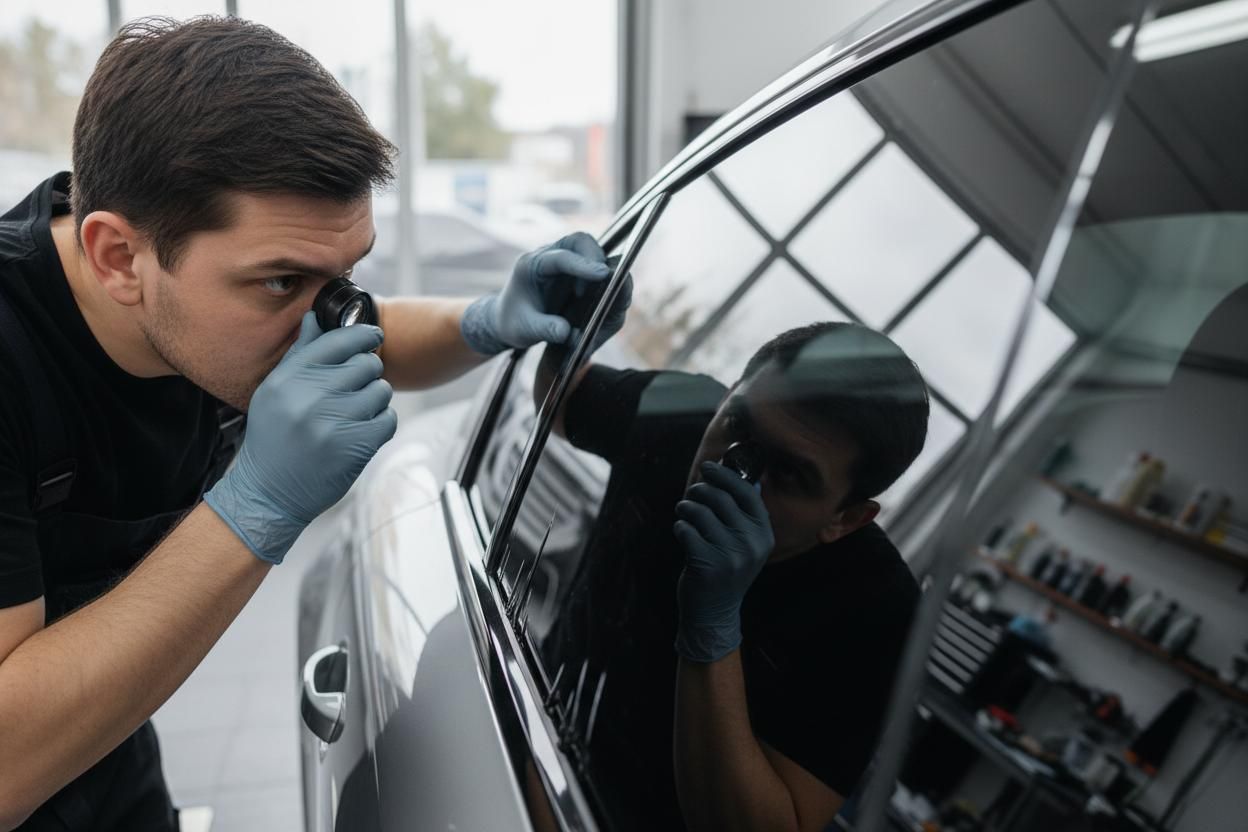
- Periodic walk-arounds to check high-impact areas for any film lifting or damage
Seasonal changes matter too. Summer heat helps the film self-heal light marks more quickly. In colder months, road salt and grit can build up, so more frequent rinsing is helpful.
Pairing PPF with a ceramic coating can add even more benefits. The film handles the impact and self-healing, while the coating on top can increase gloss and make it harder for dirt and water spots to stick. That combo can keep your vehicle looking cleaner between storms, construction dust, and heavy pollen days.
Protect Your Finish Before the Damage Happens
Self-healing PPF performs best when it goes over clean, healthy paint. The ideal time to install it is on a newer vehicle or after professional paint correction, before the first big batch of chips, stains, or washed-in swirl marks set in. Once deep damage is there, it takes more work to correct it before film can be applied.
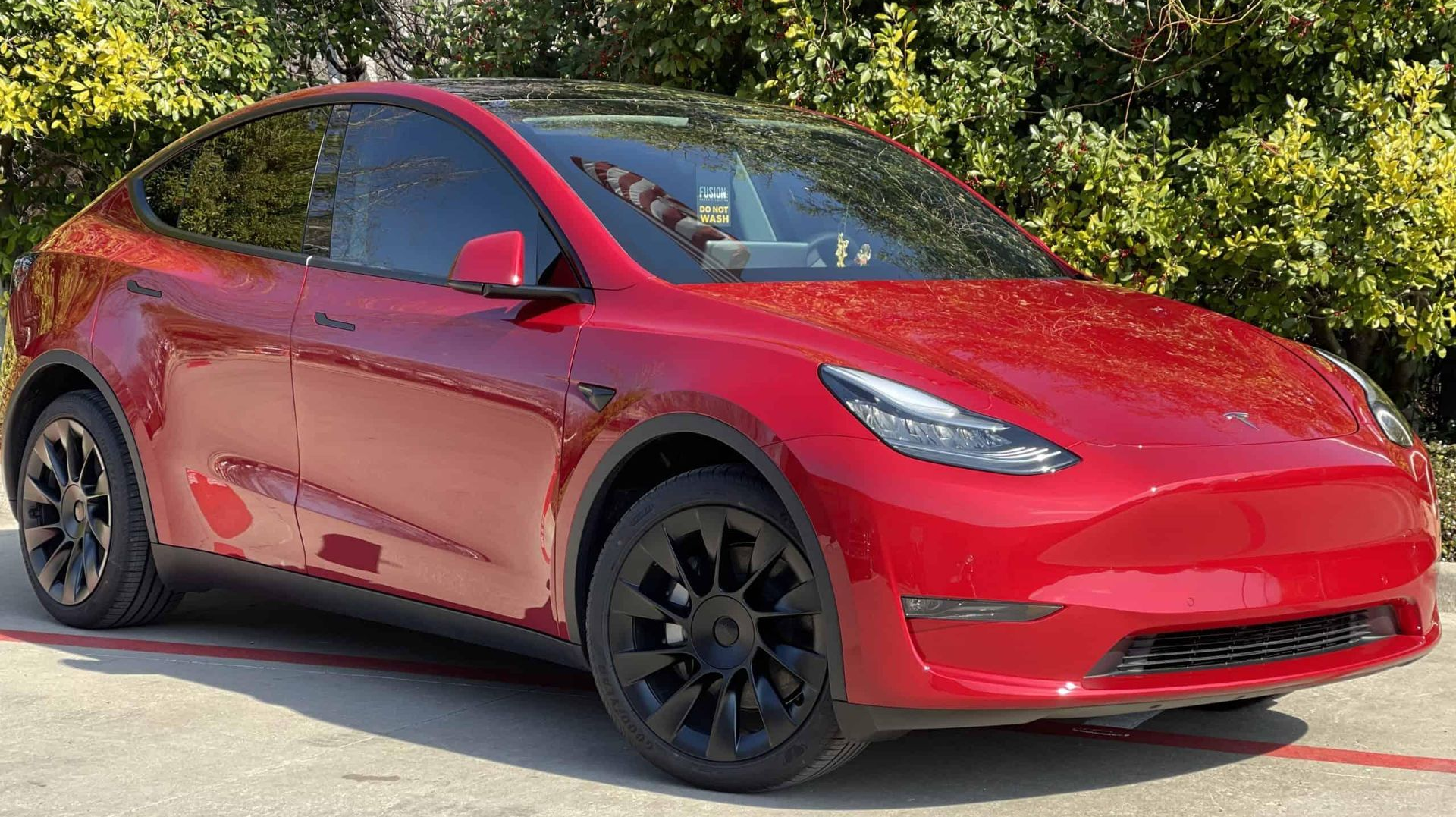
At Music City Window Tinting in Brentwood, we help drivers all over the greater Nashville area choose the coverage that fits how and where they drive. Some focus on a basic front-end package, others choose high-impact areas, and some go for full-vehicle coverage for the best long-term protection. Locking in protection before heavy fall traffic and busy shopping seasons start can save your paint from a lot of extra wear over the years.
Protect Your Vehicle With Advanced Self-Healing Technology Today
If you are ready to keep your paint looking newer for longer, we are here to help you choose the right level of protection. Our team at
Music City Window Tinting can walk you through how
self-healing paint protection film in Nashville works and what to expect from the installation process.
Reach out to
schedule a consultation so we can evaluate your vehicle and recommend the best coverage for your daily driving needs.