2026 Guide to Paint Protection Film Maintenance and Care
Paint Protection Film (PPF) is one of the best long-term investments you can make for your vehicle, shielding your paint from chips, scratches, stains, and daily wear. But even the most advanced PPF technology in 2026 requires proper care to maintain its clarity, self-healing properties, and gloss over the years. For Brentwood, TN drivers, who deal with abrupt seasonal changes, abundant sun, road salt, and diverse driving conditions, a solid maintenance routine isn’t just about looks—it’s also about protecting your film’s warranty and maximizing your car’s resale value. The right care habits can be the difference between a PPF job that lasts a decade and one that requires costly early replacement. This expert guide provides vehicle owners with the latest best practices, simple routines, and actionable advice to keep your paint protection film performing and looking its best, no matter what Tennessee roads throw your way.
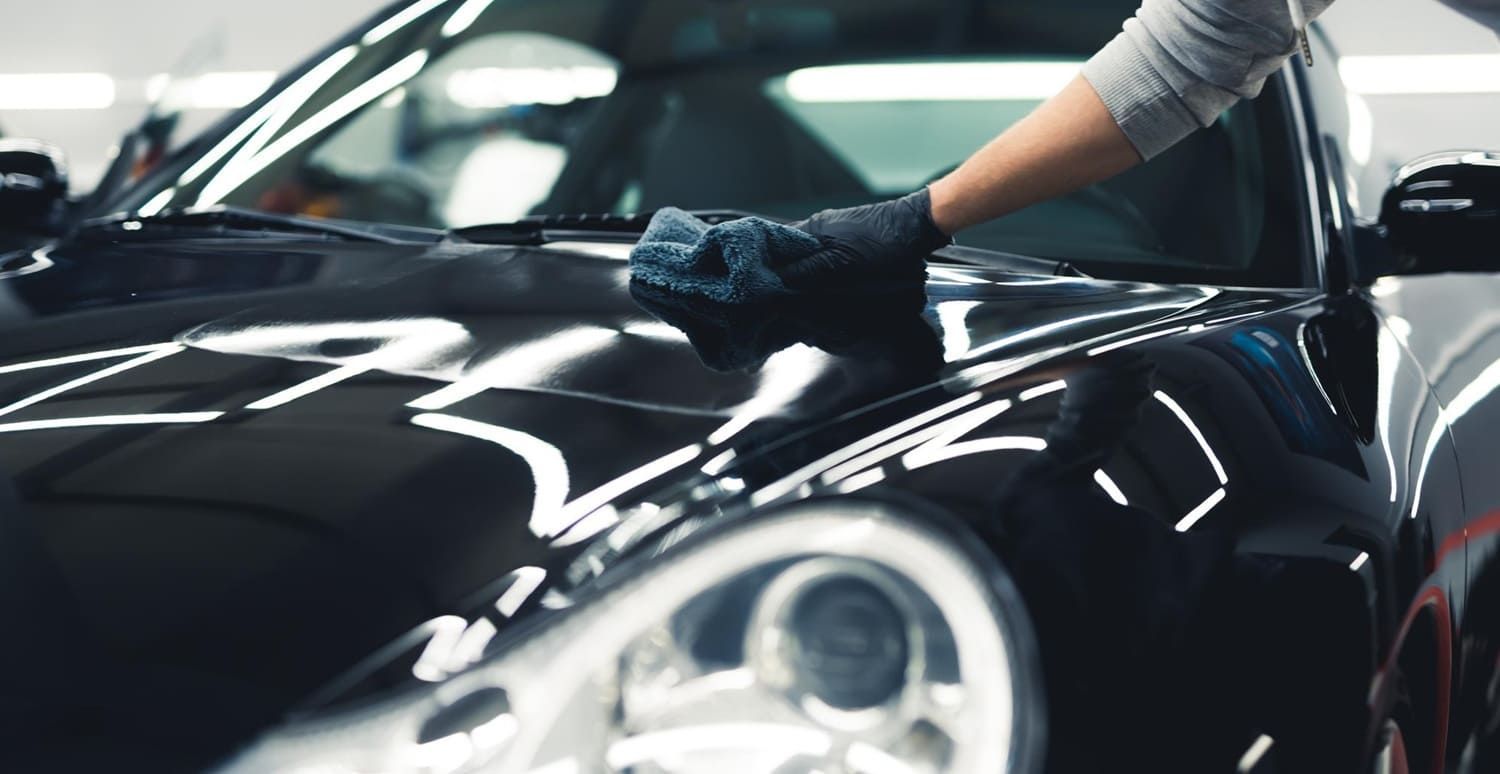
Table of Contents
- 1. How Modern 2026 PPF Technology Works
- 2. Proper Washing Techniques for Vehicles with PPF
- 3. Handling Stains, Contaminants, and Road Debris
- 4. Maintenance Schedules and Seasonal Care Tips
- 5. Environmental Effects: Heat, Sun, and Winter Hazards
- 6. Applying Ceramic Coating Over PPF
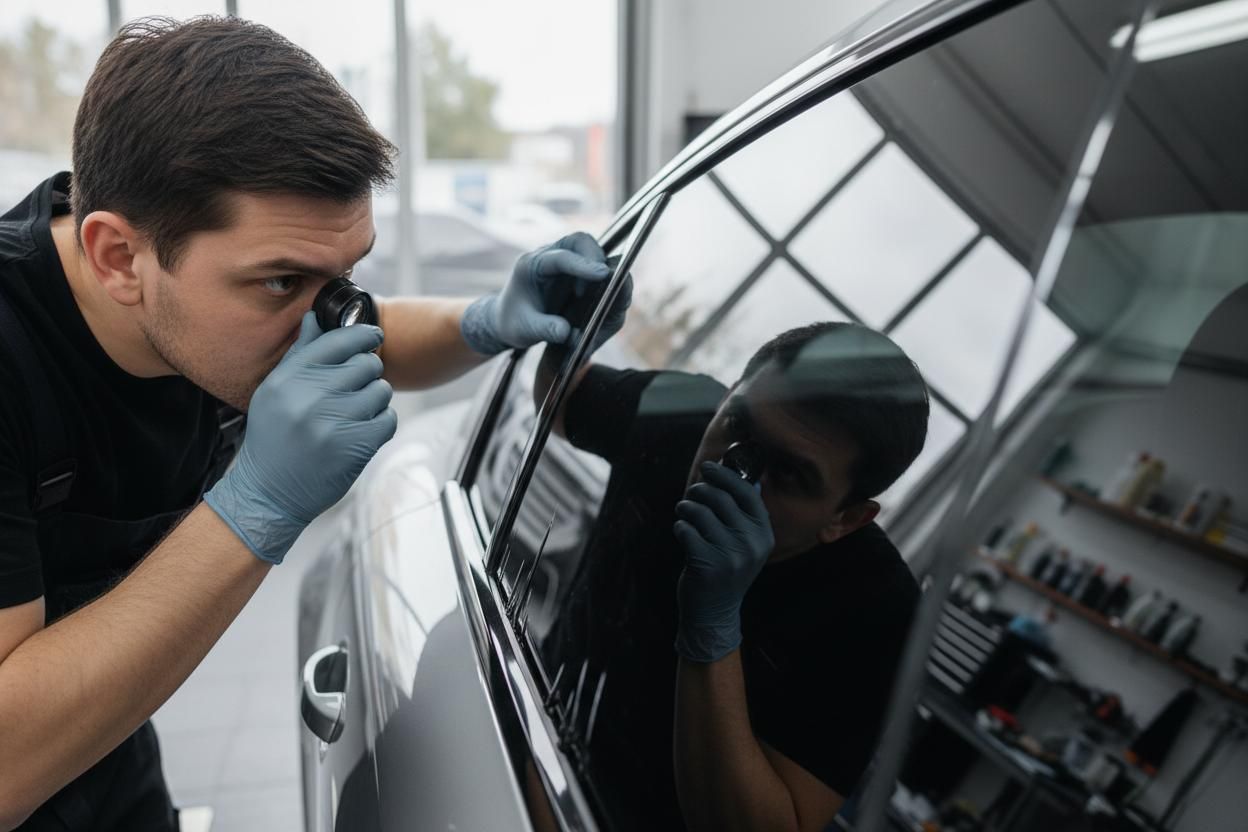
- 7. Signs PPF Needs Inspection, Repair, or Replacement
- 8. FAQ: Paint Protection Film Maintenance
- 9. Conclusion and Expert Support
1. How Modern 2026 PPF Technology Works
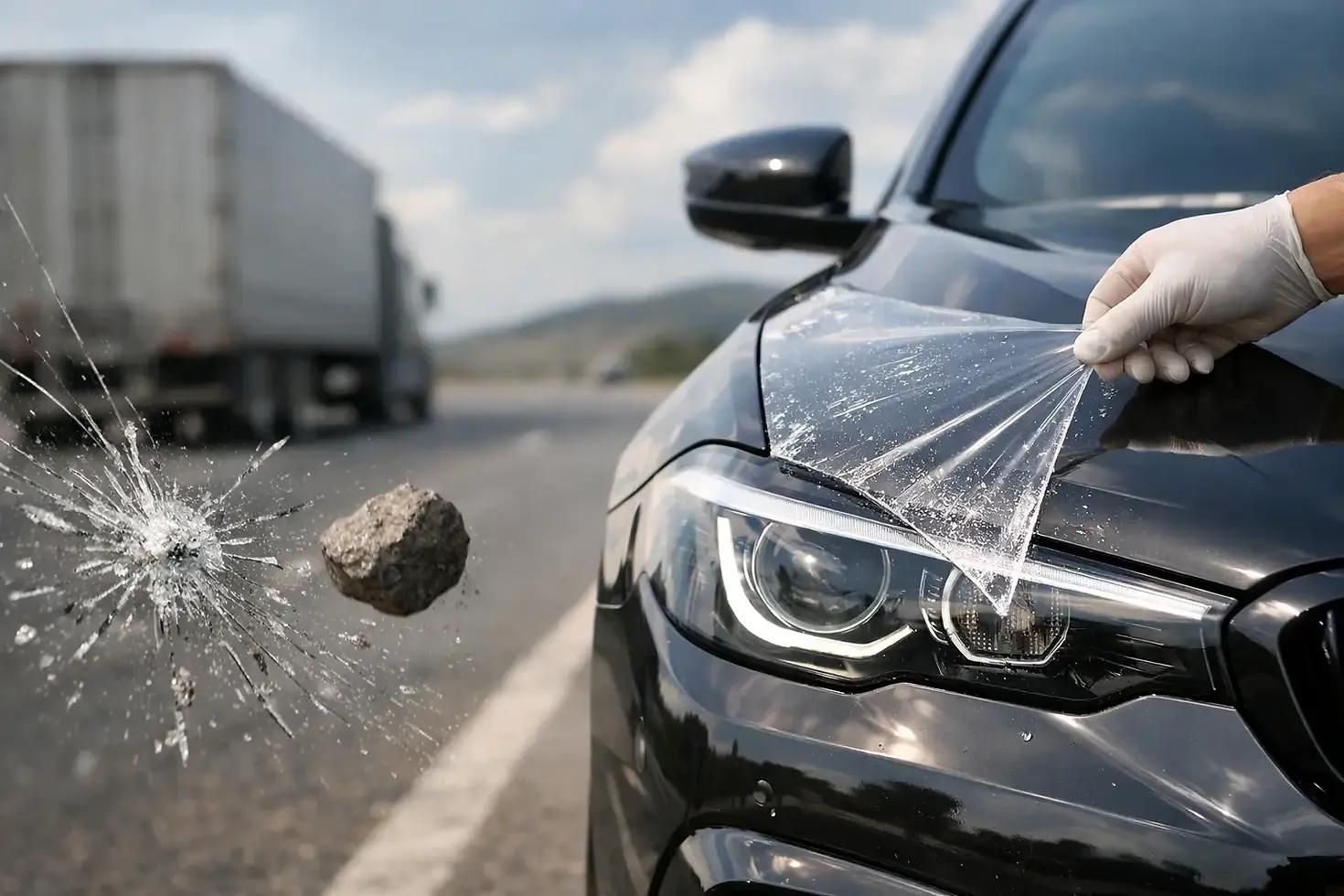
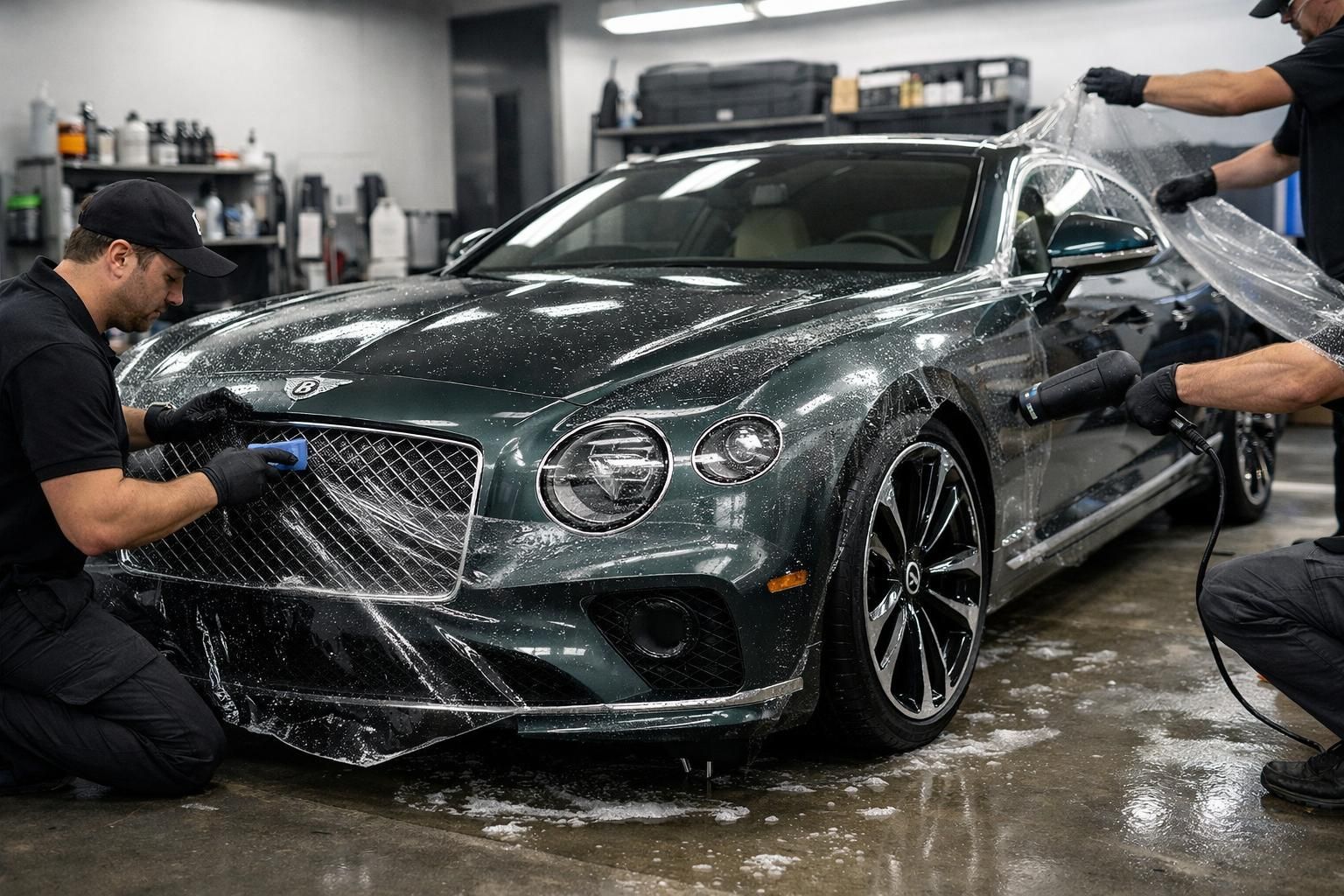
Paint protection film has evolved dramatically in recent years. Today’s top films feature multilayered polyurethane constructions, self-healing clear coats, and hydrophobic properties that repel water, dirt, and stains. Brands used by Music City Window Tinting in Brentwood, TN leverage these advances for exceptional durability and clarity. Unlike older, thicker films that could yellow or crack, 2026 PPF is built to withstand environmental stress with proper maintenance. Care is crucial because road grime, acidic bug splatter, and unchecked contamination will compromise the film’s self-healing and UV resistance, shortening its life and diminishing your vehicle’s gloss.
| Feature | PPF Benefit |
|---|---|
| Self-Healing Clear Coat | Removes light scratches and swirls with heat |
| Hydrophobic Layer | Repels water, dirt, stains, and road salt |
| UV Protection | Prevents sun damage and discoloration |
| Multi-Layered Polyurethane | Absorbs chips and impacts, resists tearing |
2. Proper Washing Techniques for Vehicles with PPF
Washing technique is vital to keeping PPF surfaces clean and swirl-free. Always use a soft, clean microfiber mitt, a foam cannon, or touchless wash system with a neutral-pH soap. Avoid abrasive sponges, rough towels, and high-alkaline or degreasing detergents, which can degrade PPF’s surface. Work in straight lines, not circular motions, to minimize swirl marks. Rinse thoroughly before washing to remove loose debris, and dry with a gentle microfiber towel or air blower. For Brentwood drivers, avoid car washes with spinning brushes, as these can scratch both the paint film and your car’s finish.
| Product Type | Do | Do Not |
|---|---|---|
| Soap | pH-neutral car wash | Detergent, degreaser soap |
| Wash Cloth | Microfiber mitt/towel | Abrasive sponge |
| Car Wash | Touchless or hand wash | Brush tunnel wash |
3. Handling Stains, Contaminants, and Road Debris
PPF will protect your paint from most everyday attacks—but bugs, sap, tar, and bird droppings can etch or stain if not removed promptly. Clean contaminants as soon as possible using gentle, PPF-safe cleaners and warm water. For bug splatter and tar, use a designated bug remover or isopropyl alcohol (on cool surfaces), but never harsh solvents or scrapers. Hard water spots can be minimized by drying promptly and using filtered water. Oil-based stains may require a bit of car-safe degreaser and careful blotting. When in doubt, consult your Brentwood PPF professional for product recommendations.
- Clean bugs/residue immediately, never let it bake in the sun.
- Use soft microfiber cloths for all cleaning.
- Blot—never scrub—persistent stains.
- Avoid polish, compound, or wax unless approved for PPF.
4. Maintenance Schedules and Seasonal Care Tips
Consistency is key for keeping your PPF at peak performance year-round. Wash by hand every 1–2 weeks, or more often in bug season or during winter road salting. In Brentwood’s hot summers, rinse the car regularly to prevent mineral deposits from driveway runoff. Schedule spring and fall deep cleans to prepare for pollen, falling leaves, and changing temperatures. See the schedule below for a 12-month maintenance breakdown:
| Season | Task |
|---|---|
| Spring | Deep wash, check for stains, prep for pollen |
| Summer | Rinse regularly, avoid water spots, inspect for bug/tar |
| Fall | Remove leaves/debris, deep clean, inspect edges |
| Winter | Wash off road salt, dry carefully, check for film lift |
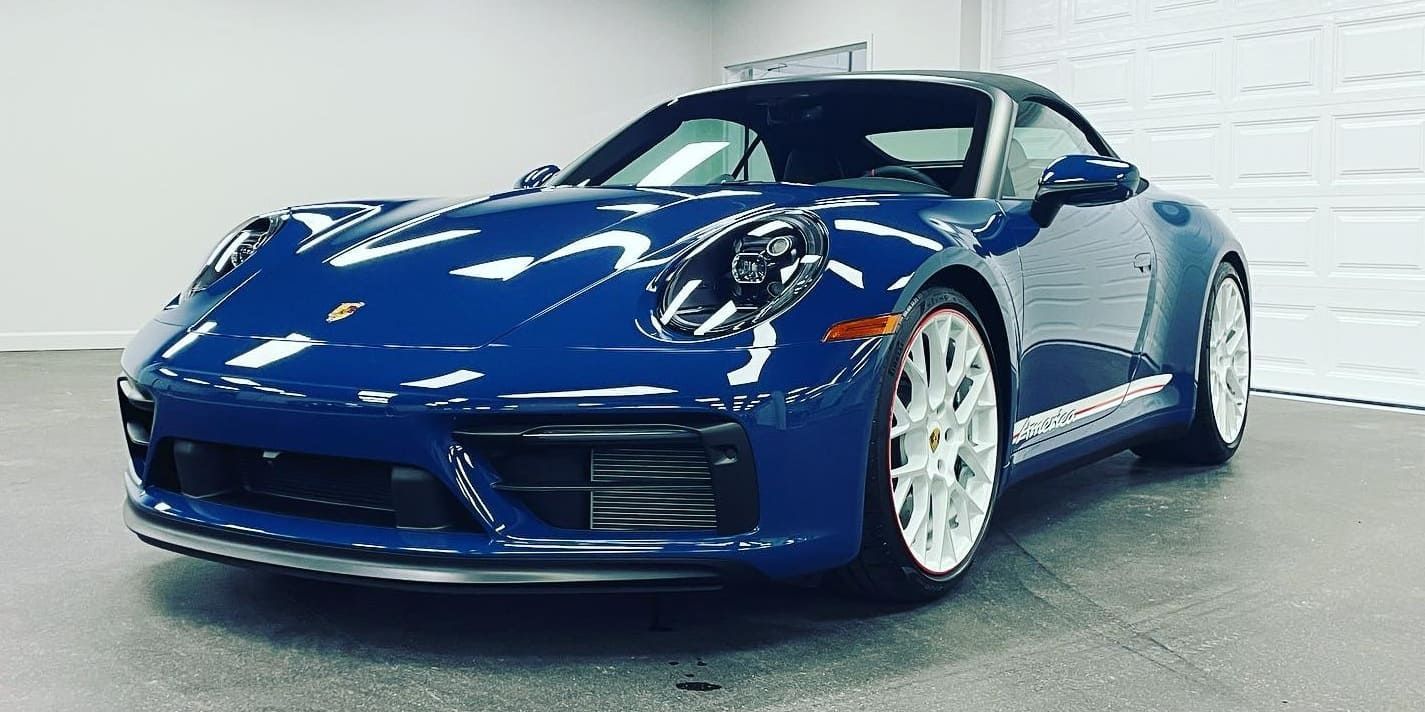
5. Environmental Effects: Heat, Sun, and Winter Hazards
Tennessee’s climate can put your PPF to the test. High heat helps self-healing features activate, but can also accelerate aging if the film is not properly cared for. Extended sun exposure may cause yellowing in low-quality films, making shade parking and regular washes important. Winter brings risks like rock salt and gritty slush, which can get under film edges or cause minor lifting if not cleaned. Avoid high-pressure washers near PPF edges and ask your installer about post-winter checkups.
| Hazard | PPF Impact | Prevention |
|---|---|---|
| High Heat | Activates self-healing, may age cheap films | Wash, use quality film, park in shade |
| Sunlight | Risk of yellowing, fading | UV-resistant film, regular washes |
| Winter Salt/Slush | Edge lift, soiling | Immediate wash, inspect edges |
6. Applying Ceramic Coating Over PPF
For car owners seeking even more resilience and gloss, ceramic coatings can be safely layered over PPF once the film is fully cured (typically 7–30 days post-install). Ceramic coatings add another hydrophobic barrier, reduce cleaning effort, and lock in shine. Always have coatings applied by experienced Brentwood professionals who use manufacturer-approved products for PPF. Do not apply waxes or polishes not specifically labeled safe for paint protection film, as these may reduce the self-healing feature or cause spots.
7. Signs PPF Needs Inspection, Repair, or Replacement
Even the best-maintained PPF will eventually need attention. Schedule a pro inspection if you notice:
- Visible yellowing, cloudiness, or significant dullness
- Peeled or lifted film edges
- Deep scratches, punctures, or cracks
- Large areas that no longer self-heal
- Tears, bubbling, or adhesive failure
- Persistent stains or embedded contaminants
Timely repair of isolated issues may save a full panel replacement. Trust only certified Brentwood PPF professionals for assessment and warranty service.
8. FAQ: Paint Protection Film Maintenance
How often should I wash a car protected by PPF?
Hand wash every 1–2 weeks, or more frequently in harsh weather or heavy bug seasons.
Is pressure washing safe on PPF?
Yes, but keep the nozzle at least 18 inches away and avoid spraying edges directly.
Does ceramic coating help maintain PPF?
Yes, when applied by a pro, ceramic coating enhances gloss, bead-off, and stain resistance.
How long does PPF last with proper care?
Quality films in Brentwood, TN can last up to 10 years or more with diligent maintenance.
What causes paint protection film to yellow?
Low-quality films, UV neglect, and harsh chemicals are the most common factors.
How should I remove bug residue or sap from PPF?
Use a PPF-safe cleaner and microfiber cloth; clean promptly before residues bake in.
Can I use any car wash soap on PPF?
Only use neutral-PH, gentle soaps—avoid degreasers and abrasive polishes.
When does PPF need replacement vs. repair?
Minor scratches can self-heal, but deep cuts, cloudiness, or extensive damage call for expert evaluation and likely replacement.
Is it safe to polish or wax over PPF?
Only if products are marked safe for use on paint protection film—always check with your installer first.
Where can I get professional help for PPF issues in Brentwood?
Contact Music City Window Tinting for expert inspections, maintenance, cleaning, and proper PPF repairs.
Conclusion and Expert Support
With smart routines and locally attuned care, your paint protection film can maintain outstanding looks and peak protection for a decade or more—even on Tennessee’s challenging roads. By sticking to gentle, regular hand washing, avoiding harsh chemicals or abrasive tools, addressing stains promptly, and scheduling professional inspections when needed, you protect both your vehicle and your investment. For trusted, professional paint protection film care in Brentwood, TN, turn to Music City Window Tinting. Contact us today for expert PPF maintenance, personalized cleaning recommendations, professional repairs, and a free estimate to keep your vehicle looking flawless for years to come.