Does Window Tint Affect GPS, Cell Service, or Radio Signals?
If you drive in Brentwood or anywhere around Nashville, your vehicle is more connected than ever. GPS navigation guides commutes on I 65, your phone handles calls and streaming, and your infotainment system ties together Bluetooth, satellite radio, and hands free messaging. It is no surprise that drivers ask,
does window tint affect GPS or cellular reception. This concern is common because modern vehicles rely on multiple antennas and wireless systems, and because outdated information about metallic tint still circulates online. Years ago, some films used metal to reflect heat, and those products could contribute to signal issues in certain setups. Today, window tint technology has advanced significantly. Premium non metallic films can deliver excellent heat rejection and UV protection while maintaining signal clarity for the systems you use every day. Understanding how these signals work and what causes interference helps Tennessee drivers choose tint confidently and avoid myths.
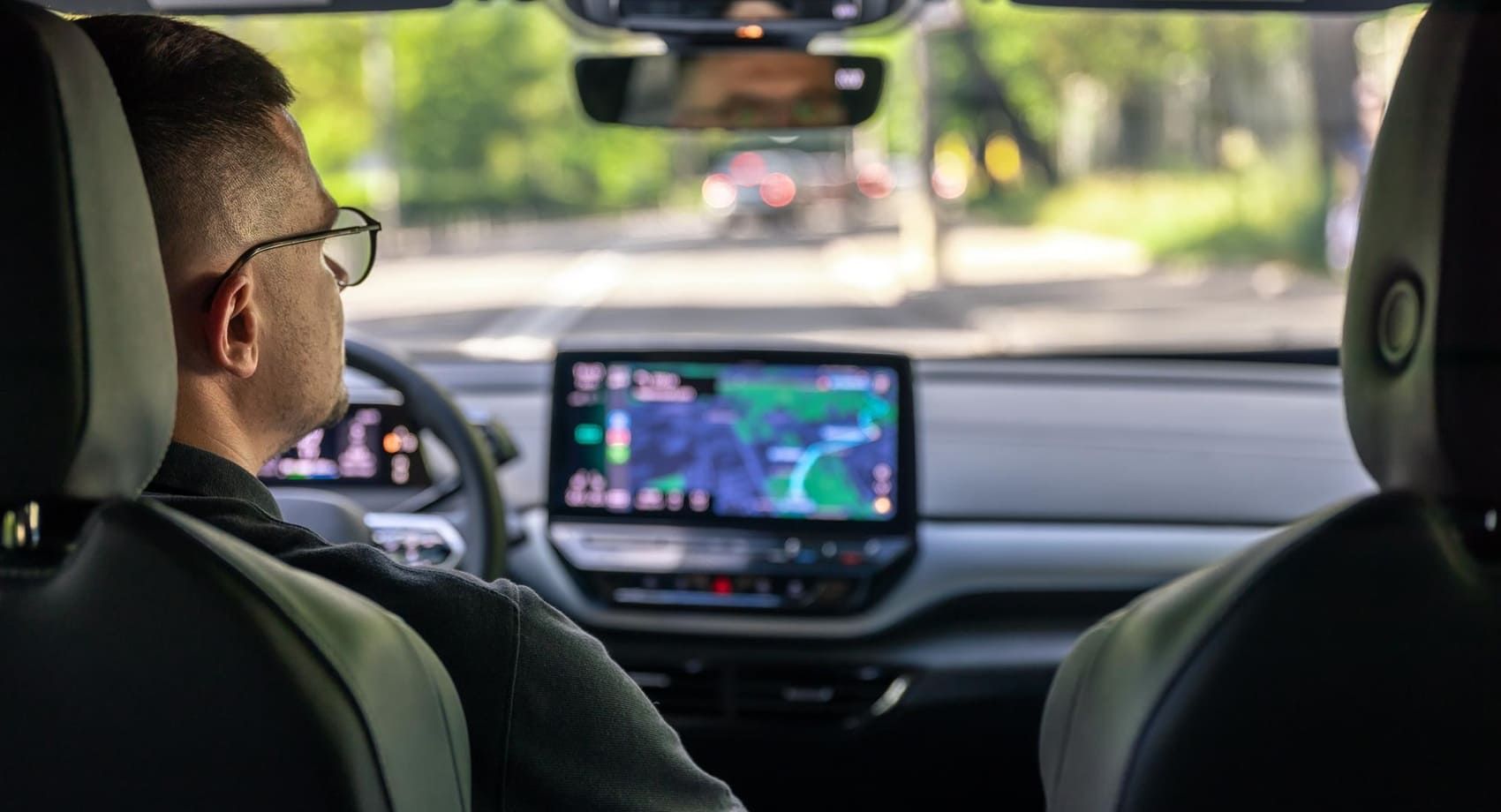
Table of Contents
- 1) How GPS, cellular, radio, and Bluetooth work in vehicles
- 2) Why older metallic tint films caused interference
- 3) Dyed vs carbon vs ceramic vs nano ceramic tint
- 4) How non metallic ceramic tint preserves signals
- 5) Windshield tint, antennas, and ADAS sensors
- 6) Electronics safe tinting best practices in TN
- 7) Why professional installation protects performance
- FAQ: cell signal window tint and GPS concerns
1) How GPS, cellular, radio, and Bluetooth work in vehicles
When drivers worry about cell signal window tint or radio interference window tint , it helps to take a step back and look at how your vehicle’s communication systems actually operate. Your car and your phone use several wireless technologies, and each behaves differently inside a vehicle cabin.
Cellular reception
Your phone communicates with cell towers using radio frequencies. Reception changes constantly based on distance from the nearest tower, terrain, building density, and network congestion. Around Brentwood and the Nashville metro, signal fluctuations can happen near parking garages, dense retail areas, and stretches of interstate where many devices compete for bandwidth. Inside a vehicle, the metal body already reduces some signal strength compared to standing outside. This is why many newer vehicles use roof mounted antennas and signal boosters for connected services.
GPS navigation
GPS works by receiving weak signals from multiple satellites. Your device calculates location based on timing and triangulation. Most GPS receivers can pick up signals through automotive glass, but accuracy can be affected by tall buildings, tree cover, tunnels, and certain factory windshield coatings. In many vehicles, the GPS antenna is integrated into the roof antenna assembly, which means side window tint is unlikely to have any meaningful impact.
AM, FM, HD radio, and satellite radio
AM and FM radio signals come from local broadcast towers. HD radio is a digital layer on top of FM. Satellite radio signals come from satellites and require a clear view of the sky. When satellite radio drops out, it is usually because you are under an overpass, next to tall buildings, or in heavy tree cover. Tint on side windows rarely causes this kind of interruption.
Bluetooth and in vehicle wireless systems
Bluetooth is a short range signal that connects your phone to the vehicle for audio and hands free calling. Because it is low power and operates over short distances, it is typically unaffected by window film. Keyless entry, push button start, tire pressure sensors, and other systems also use radio frequencies, but they rely on antennas placed around the vehicle. If those systems act up, causes are often low batteries, aftermarket devices, or hardware issues rather than tint.
Bottom line : Signal performance depends on coverage and antenna design far more than on tint darkness. Film type is the main tint related factor, and modern non metallic films are designed to avoid interference.
2) Why older metallic window tint films caused signal interference
The reason this topic shows up so often online is that interference used to be a real issue with certain films. Older window tint products sometimes used metallic layers to reflect solar energy. In some vehicles, that metal content could contribute to reception problems.
How metal interacts with radio frequencies
Metal reflects and absorbs electromagnetic energy. A metallic film layer can partially block or reflect radio waves as they pass through glass. In some cases, it can reduce signal strength enough to be noticeable, especially if the vehicle already has weak reception or uses embedded antennas in the glass.
Why the internet still repeats the myth
Many articles and forum posts are based on experiences from years ago. Those posts get copied and reposted without context, even though film technology has changed. That is why drivers still search phrases like radio interference window tint even when they are planning to install modern ceramic film.
When interference is most likely
- Low quality metallic film with heavy metal content
- Vehicles with antennas embedded in glass rather than on the roof
- Factory windshields with special coatings that already reduce signals
- Aftermarket electronics with poorly placed antennas
If you want to avoid the risk entirely, the solution is simple. Choose a premium non metallic film, especially ceramic or nano ceramic technology, from a reputable manufacturer.
3) Differences between dyed, carbon, ceramic, and nano ceramic tint
Window tint is not one product. It is a category of films with different materials and performance characteristics. Understanding the differences helps you choose a film that meets your goals for comfort and privacy while staying electronics safe.
| Film Type | First NameMetal Content | Signal Compatibility | Heat Rejection | UV Protection | Best For |
|---|---|---|---|---|---|
| Dyed | None | Excellent | Low to moderate | Good | Appearance upgrade on a budget |
| Carbon | None | Excellent | Moderate | High | Balanced performance and color stability |
| Ceramic | None | Excellent | High | Very high | Maximum comfort and clarity |
| Nano ceramic | None | Excellent | High to very high | Very high | Top heat rejection for hot sun exposure |
How to use this table
- If you are worried about does window tint affect GPS , focus on non metallic film types.
- If you want noticeable comfort improvement in Tennessee summers, ceramic and nano ceramic provide the biggest gains.
- If your main goal is a darker look with basic benefits, dyed or carbon may work, but premium ceramic delivers more performance per shade.
4) How non metallic ceramic films preserve signal strength and clarity
In most modern vehicles, premium ceramic window tint is the best answer for drivers who want comfort without connectivity issues. Ceramic films are engineered to reduce heat by filtering infrared energy rather than reflecting it with metal.
Why ceramic tint is electronics safe
Ceramic films use non conductive particles. Because they do not contain metal, they are far less likely to reflect or absorb the radio frequencies used by cellular service, GPS, satellite radio, and Bluetooth. This is why ceramic is widely recommended for vehicles with advanced electronics and integrated antenna systems.
What drivers typically notice after upgrading to ceramic
- Little to no change in cellular reception during normal driving
- No noticeable difference in GPS lock or navigation accuracy
- Stable Bluetooth pairing and call quality
- Reduced cabin heat, less glare, and better UV protection
LLumar FormulaOne window tint for connected vehicles
Music City Window Tinting is a SelectPro LLumar dealer installing LLumar FormulaOne window tint products engineered for excellent heat rejection and UV protection without interfering with vehicle communication systems. For Brentwood TN drivers who want premium performance, FormulaOne ceramic options are designed for modern vehicles and long term clarity.
If you have a vehicle that already struggles with reception in certain areas, tint will not fix coverage limitations. However, choosing a high quality non metallic film helps ensure your tint does not create new problems.
5) Windshield tint considerations and compatibility with antennas and sensors
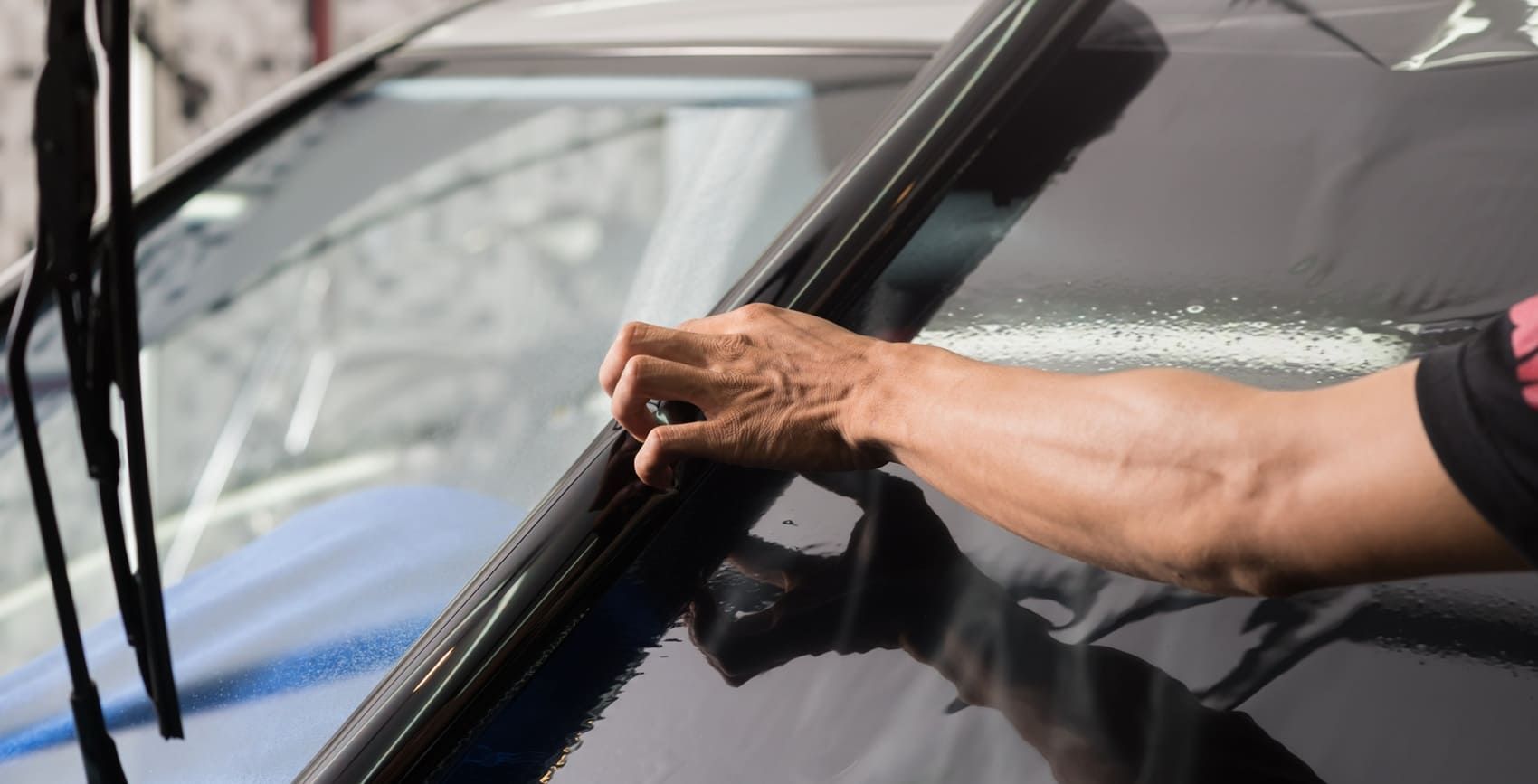
When signal and technology issues occur, the windshield is usually the first place people suspect because many modern features live in that area. Windshields can include cameras, rain sensors, and special coatings. This is why windshield tint deserves special attention.
Common technology around the windshield
- Forward facing cameras for lane keeping and collision avoidance
- Rain sensing wipers and light sensors
- Heads up display areas on certain vehicles
- Embedded antennas on some models
Why factory glass coatings matter
Some vehicles use solar control glass or special windshield coatings that reduce heat. In certain designs, these coatings can also reduce signal penetration. Many manufacturers address this by placing antennas in the roof or using external antenna modules.
Windshield tint best practices
- Use a high clarity, non metallic film designed for windshields.
- Avoid covering camera housings or sensor areas.
- Confirm legality and VLT limits before tinting the windshield.
- Discuss ADAS features with your installer before work begins.
6) Manufacturer recommendations and industry best practices for electronics safe tinting
Drivers in Brentwood and surrounding areas can reduce risk and maximize comfort by following a few proven guidelines. These are the same best practices used by experienced shops that tint vehicles with advanced electronics every day.
Choose non metallic film for signal safety
If signal clarity is your priority, choose ceramic or nano ceramic film. These technologies provide strong heat rejection without the metallic layers that created issues in older products.
Know your vehicle’s antenna layout
Many vehicles use roof antennas, which makes side window tint a non issue. Some models use embedded glass antennas, especially in rear glass. A professional shop can identify antenna placement and recommend the right film strategy.
Consider device placement and driving environment
- Mount phones higher for better GPS reception.
- Avoid storing phones in metal lined consoles.
- Replace weak key fob batteries early.
- If satellite radio drops out in the same places, it is usually a coverage issue.
Keep documentation and warranty information
High quality tint products include manufacturer documentation and warranty coverage. Keep that paperwork for peace of mind and future resale value.
7) Why professional installation is essential for maintaining full system performance
Choosing the right film is only half the equation.
Professional installation ensures the film performs correctly, looks clean, and does not interfere with the vehicle’s hardware or sensor areas.
Common problems with poor installation
- Contamination and haze that reduce visibility
- Improper trimming near sensors and camera housings
- Film lifting at edges that can catch debris and moisture
- Use of unknown film products with inconsistent materials
Why Music City Window Tinting is the right partner
For drivers searching for
Brentwood TN window tint , working with a qualified shop offers peace of mind.
Music City Window Tinting is a
SelectPro LLumar dealer and installs
LLumar FormulaOne window tint products engineered for heat rejection and UV protection while preserving signal clarity. Professional installation helps ensure your GPS, cell service, Bluetooth, and radio systems continue to work as intended.
FAQ: cell signal window tint and GPS concerns
Does ceramic tint block cell phone signals?
High quality ceramic tint is non metallic and is designed to maintain signal clarity. Most drivers do not notice any reception change after professional installation.
Can window tint cause GPS inaccuracy?
Modern non metallic films typically do not cause GPS issues. GPS accuracy is more often affected by satellite visibility, windshield coatings, and device placement.
Will tint interfere with satellite radio?
Side window tint rarely affects satellite radio. Dropouts are usually caused by overpasses, buildings, or tree cover.
Does window tint affect Bluetooth connectivity?
Bluetooth is short range and typically unaffected by tint. Pairing issues are more often caused by software or device settings.
Will tint impact keyless entry or push button start?
Window tint generally does not impact these systems. If issues occur, replace the key fob battery and check for other sources of interference.
Is metallic tint still used?
Some films contain metal, but most electronics safe premium options are non metallic ceramic or nano ceramic. Ask your installer to confirm film type.
Does windshield tint affect GPS and antennas?
It depends on vehicle design. Many vehicles use roof antennas, which reduces risk. A professional shop can recommend safe windshield film and placement.
Is windshield tint legal in Tennessee?
Legality depends on the window and VLT percentage. Confirm Tennessee tint laws before tinting the windshield.
What is the best electronics safe tint for Tennessee drivers?
Non metallic ceramic and nano ceramic films are best for heat rejection and signal compatibility. LLumar FormulaOne is designed for modern vehicles
How do I choose electronics safe window tint?
Choose a reputable installer, request non metallic film, and discuss your vehicle’s electronics and antenna layout. A SelectPro LLumar dealer can guide you.
Conclusion and CTA
For most drivers, the answer is reassuring. Modern non metallic window tint does not interfere with GPS, cell service, satellite radio, or Bluetooth when it is properly selected and professionally installed. The interference stories that circulate online are usually tied to older metallic films or specific factory glass coatings, not premium ceramic technology. If you want better comfort, reduced glare, and strong UV protection without compromising connectivity, choose a trusted non metallic film and an experienced installer.
Ready to tint with confidence?
Contact
Music City Window Tinting in
Brentwood, TN for expert guidance and professional installation of
LLumar FormulaOne window tint . Request a
free estimatefor window tint solutions that enhance comfort and privacy while keeping your GPS and wireless systems performing at their best.