Everyday Parking Habits That Defeat Paint Protection Film

Stop Letting Your “Safe” Parking Ruin Your Finish
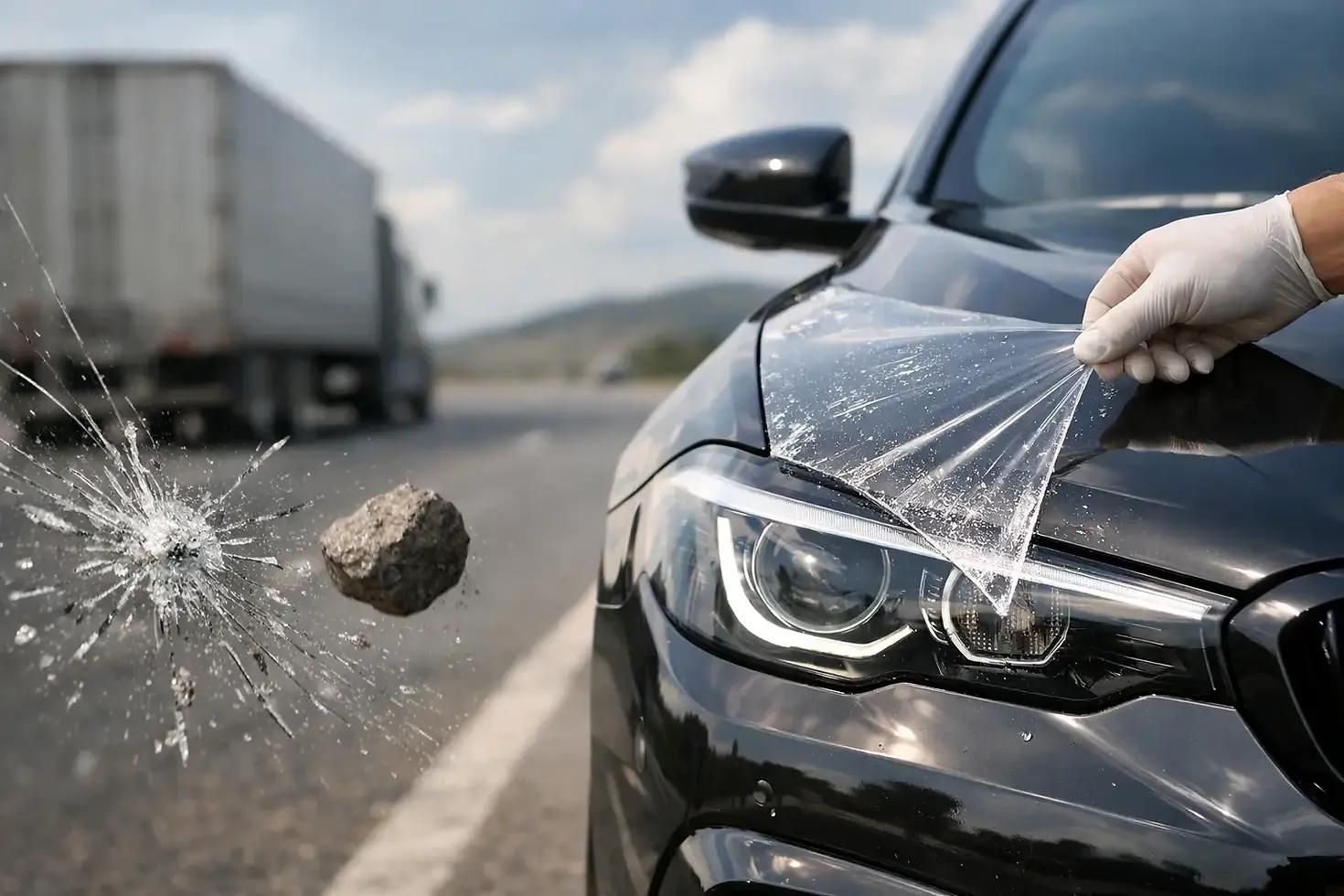
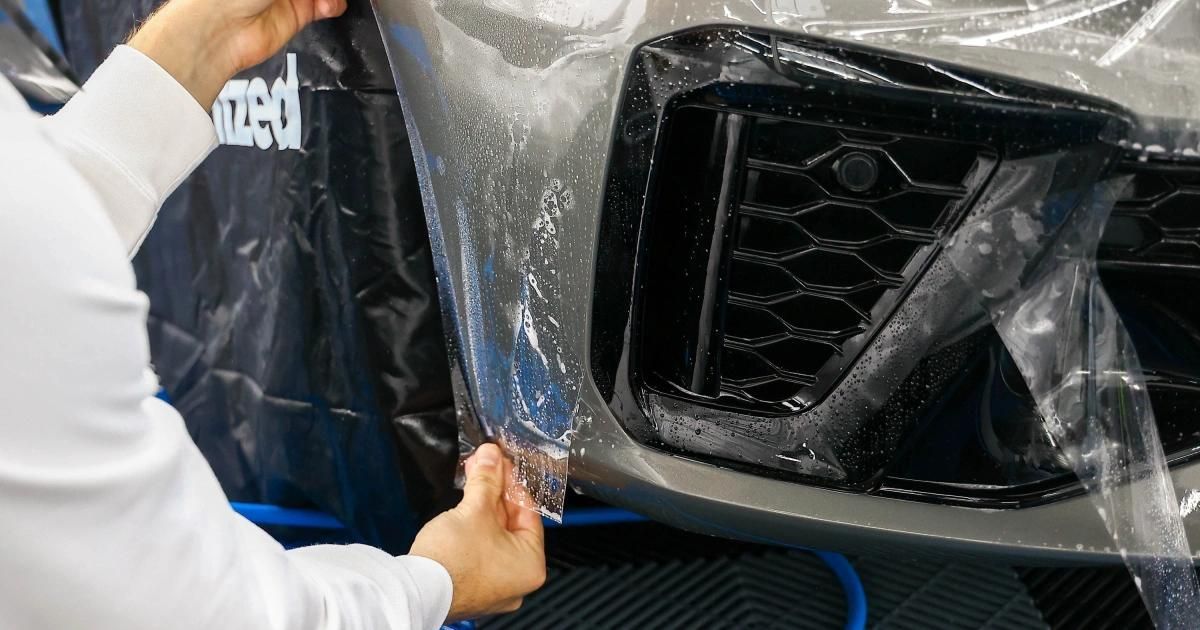
Paint protection film, often called PPF, is a smart way to keep your paint looking fresh. It helps guard against rock chips, light scratches, bug splatter, UV rays, and some stains. Many drivers around Nashville invest in it because traffic, heat, and road grit can be rough on a vehicle.
But even with quality PPF, daily parking habits can quietly undo your investment. Where you leave your car at work, at home, or in town can speed up wear on the film or push it past what it is meant to handle. Around our hot summers and stormy days, we often see films aging faster than they should, not because the product is bad, but because the parking routine is rough on it.
In this article, we will walk through common parking habits that work against paint protection film in Nashville, TN, and simple changes that help it last longer.
How Sun-Soaked Parking Eats Away at Protection
Direct sun is one of the biggest everyday threats to your finish. Nashville gets plenty of bright, hot days, and that heat can build up on the body of your vehicle. Over time, constant exposure can dry and fade paint and can also stress lower quality films. Even higher-end films still do better when they are not baked nonstop.
Common habits that put your PPF in the line of fire include:
- Always taking the spot closest to the door, even if it is in full sun
- Leaving your car in an open office lot from morning to evening
- Parking in the exact same exposed spot in your driveway day after day
The film is made to handle sun, but long, constant exposure speeds up aging. The surface can dry out faster, and on some films you may see color shift or hazing sooner than you should.
Smarter options do not have to be hard:
- Choose shaded spots, even if it means a slightly longer walk
- Rotate where you park in your driveway so the same area is not always cooked
- Use a garage or carport when you have the choice
- At work, look for the side of the lot that gets afternoon shade instead of direct light
A few small changes can add years of good performance to paint protection film in Nashville, TN, especially through long, bright summers.
Parking Under Trees: Nature’s Hidden Threats
When the sun is beating down, a shady tree can look like the perfect parking spot. The problem is that trees bring their own set of problems for PPF and paint.
Tree-related threats include:
- Sap that drips and sticks to the surface
- Bird droppings that land on the roof, hood, and glass
- Heavy pollen that settles into seams and edges
- Falling leaves, nuts, and small branches
Sap and bird droppings are especially harsh. They can be acidic or very sticky, and if they sit too long they may stain or etch into the top layer of the film. PPF is made to resist stains, but strong contaminants that bake on in the sun can still mark the surface.
Late summer and fall in Middle Tennessee often bring:
- Thick pollen that clings to panels and film edges
- Leaf litter that traps moisture against the film
- Nuts and twigs that blow across the body in wind and storms
To protect your film without giving up shade completely, try habits like:
- Avoid parking under trees you know drip a lot of sap or attract many birds
- Do a quick walk around your vehicle and wipe off droppings or fresh sap as soon as you notice it
- Wash your car more often during heavy pollen and leaf-drop seasons
- Use a gentle method and safe products so you do not grind debris into the film
Shade is good, but clean shade is better. Being picky about which trees you park under goes a long way.
Tight Parking Spots and Everyday Impact Damage
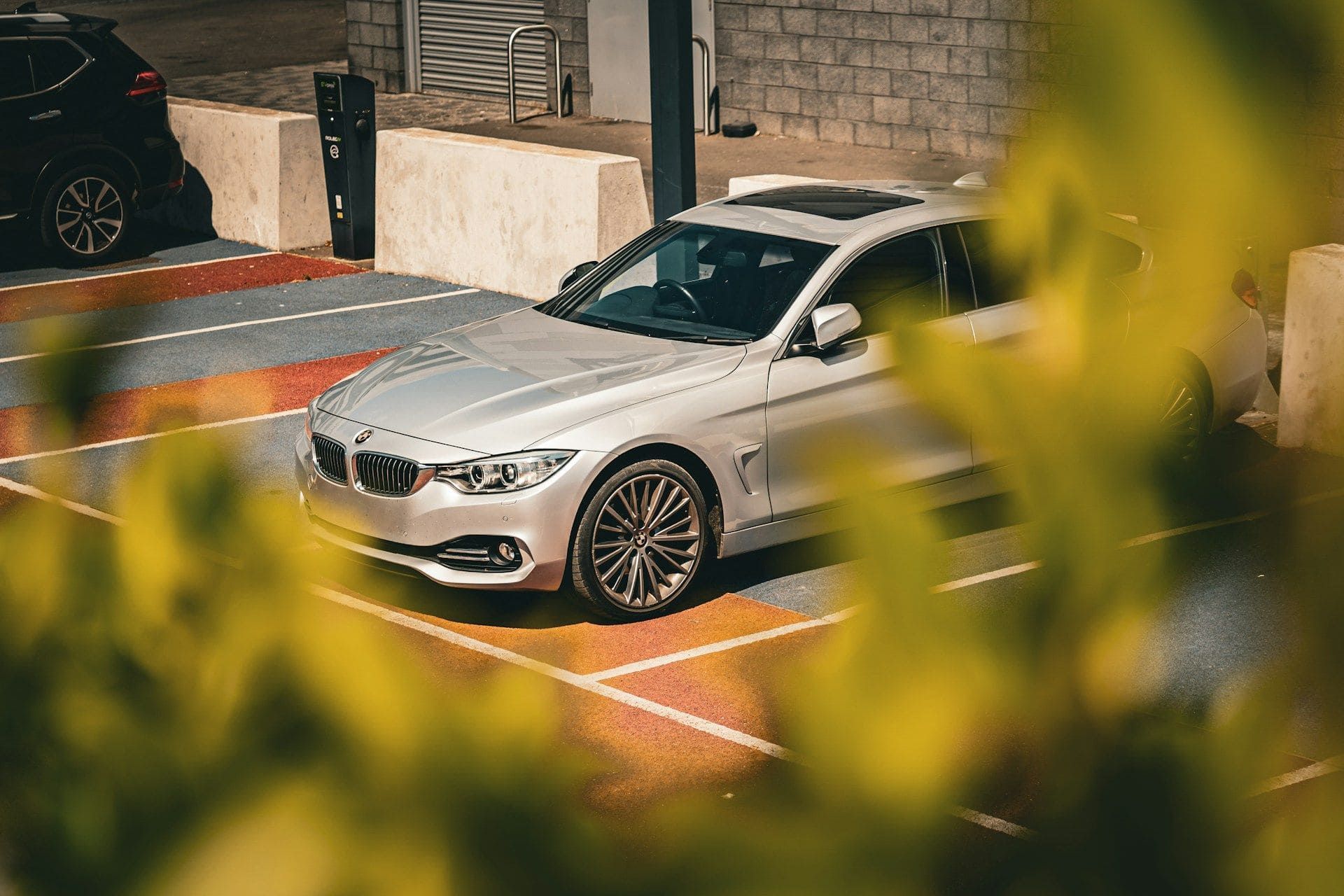
PPF is a good shield against small impacts, but it cannot stop everything. When you park too close to other vehicles or tight obstacles, you raise the odds of damage that goes past what the film can handle.
Risky everyday situations include:
- Squeezing into crowded downtown Nashville spaces
- Parking very close to other doors in busy shopping centers
- Parallel parking with bumpers almost touching
- Choosing spaces right next to shopping cart return areas
The film can help with light scratches from a bag brushing the door or a soft scuff from clothing. But it is not meant to stop:
- Strong door slams from another car
- Sharp edges from carts or metal objects
- Repeated hits to the same small area
Over time, the same panels get dinged and scraped, and the film can tear or lift. The paint underneath might still fare better than it would without PPF, but the film will not look great.
Simple shifts can make a big difference:
- Pick end spots so at least one side of your vehicle is wide open
- Park a bit farther from store entrances where the lot is less crowded
- Stay away from cart corrals and high-traffic walking paths
- In garages, give yourself extra room instead of hugging the line
Giving your vehicle more space reduces the steady stream of hits that wear out film long before its time.
Ignoring Weather, Runoff, and Lot Conditions
Parking lots are not always clean or flat. When you mix Nashville storms, standing water, and road grime, you get trouble for the lower parts of your vehicle where PPF often works the hardest.
Problems that come from lot conditions include:
- Puddles filled with grit that splash onto rocker panels and bumpers
- Gravel or broken pavement that kicks up onto the film
- Runoff that carries dirt, oil, and chemicals into low-lying spaces
After winter, leftover road treatments and salt can hang around on the pavement. Driving or parking through that mix can stick residue to your film. In warmer months, sprinklers can spray hard water on your panels and leave mineral spots that are tough to remove if they sit too long.
To cut down on that wear:
- Avoid parking in spaces where puddles always form after rain
- Skip areas with deep cracks, loose gravel, or heavy mud
- Do not park where sprinklers are hitting cars or soaking the pavement around them
- Rinse or wash your vehicle after driving or parking in dirty, messy conditions
Lower panels and bumpers are high-wear zones for PPF. Keeping them away from the worst parts of parking lots helps the film stay clear and smooth.
Turn Smart Parking Into Long-Term Paint Defense
PPF is a strong investment in your vehicle, but it is not magic. Your daily parking choices shape how well it can protect your finish. The good news is that you do not need a complete lifestyle change to help your film last; you just need a few simple habits.
Try focusing on these everyday steps:
- Look for shade that is not directly under messy trees
- Give your vehicle more room instead of squeezing into tight spaces
- Avoid puddle-prone or dirty sections of lots when you can
- Clean off sap, bird droppings, and heavy grime as soon as you see them
At Music City Window Tinting in Brentwood, we work with paint protection film in Nashville, TN every day, so we see what real life does to it. We help drivers choose coverage areas that match how and where they park, install quality film meant for our local climate, and explain simple care tips so the finish stays sharp as long as possible.
Protect Your Vehicle’s Finish With Long-Lasting Defense Today
If you are ready to keep your paint looking new longer, we are here to help you choose the right coverage and finish for your vehicle. At
Music City Window Tinting, our team will walk you through the benefits of
paint protection film in Nashville, TN and tailor a solution to your driving habits. Reach out today to schedule your appointment and let us protect your investment with professional installation.