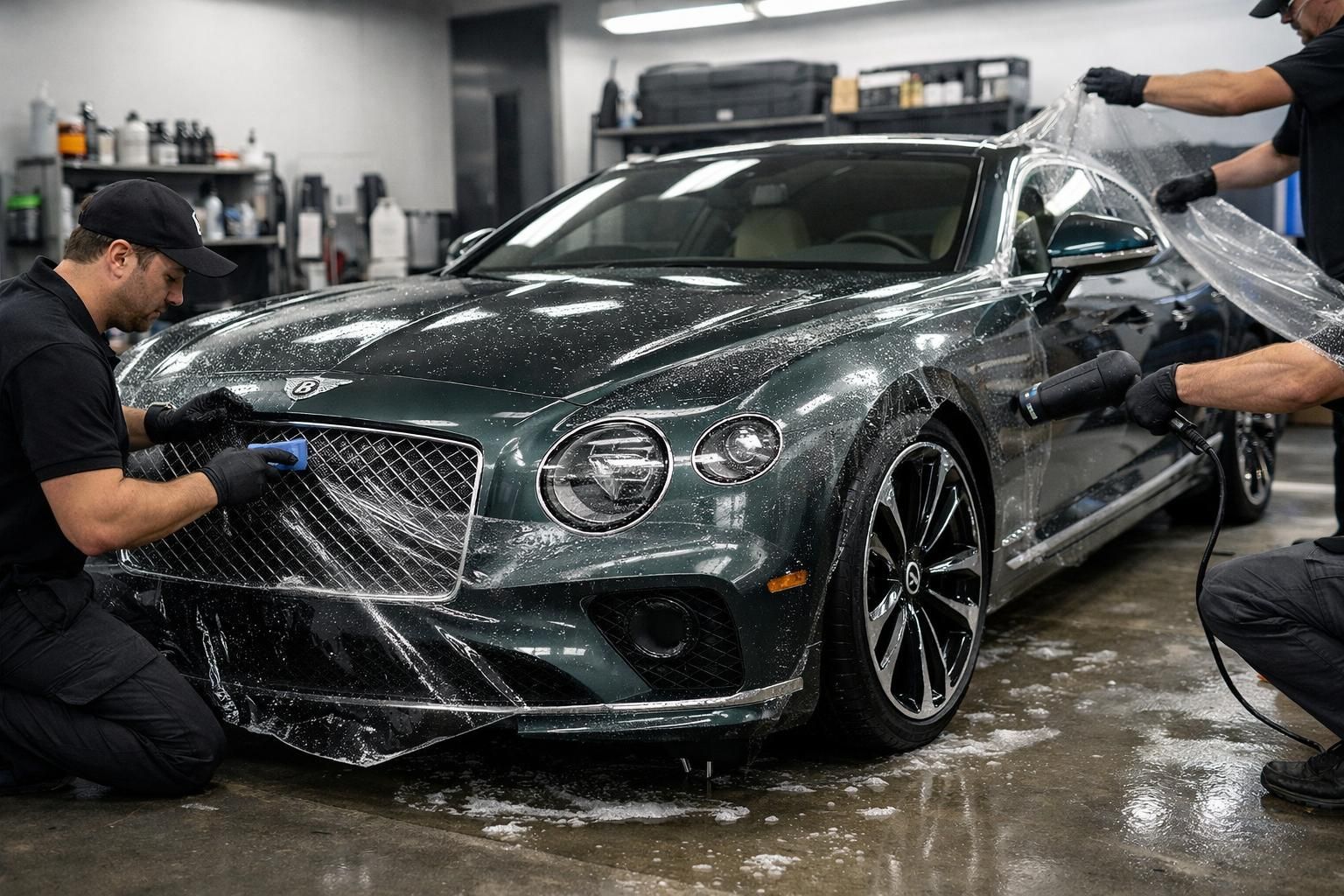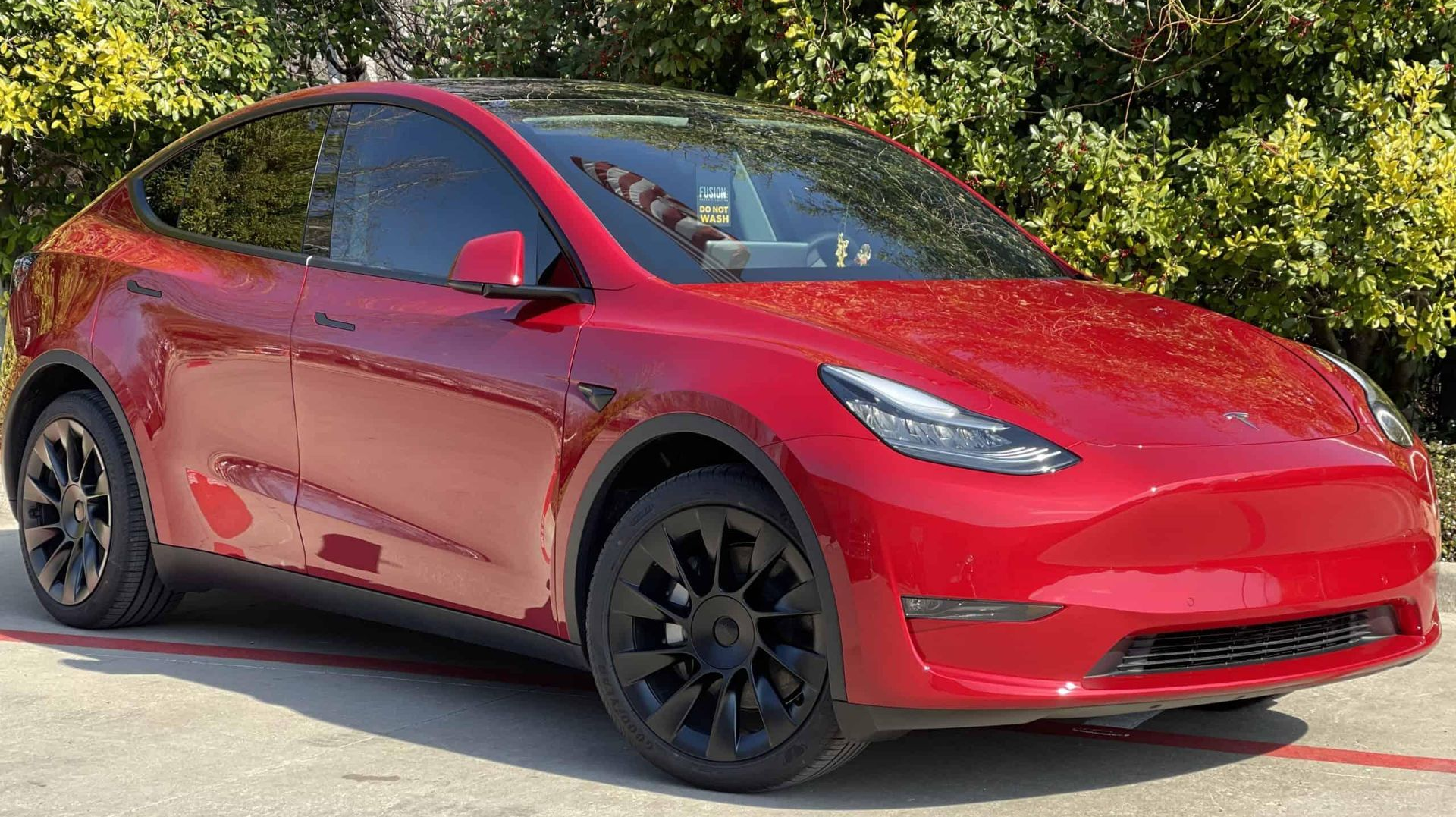
Late-Summer Tint Checkup in Nashville: Heat Stress, Adhesive Failure, Retinting
Late-Summer Heat Is Brutal on Window Tint
Nashville heat does not calm down at the end of summer. By August, the sun feels closer, the humidity is heavy, and everything sitting in that sun gets punished day after day. Your vehicle, home, and office windows take a lot of that heat, and the tint on those windows quietly wears down.
Late summer is when weak or aging window film usually starts to show it. You may notice small bubbles that were not there before, strange haze, or a change in color. Those are signs that the film has taken all the heat it can handle and is starting to fail. A quick check now can keep small problems from turning into bigger repairs later.
We work with drivers, homeowners, and business owners across the Nashville area who want to catch these issues early. By learning what heat-stress looks like and when to retint, you can keep your space cooler, safer, and more comfortable year-round.
How Late-Summer Heat Breaks Down Tint
When the sun beats on glass all day, it creates a tough cycle. The film heats up, cools back down at night, then repeats. In August, that cycle is stronger and more intense, which wears on tint faster.
Here is what is going on behind the scenes:
- High temperatures dry out the adhesive that holds the film to the glass
- UV rays break down lower-quality dyes, which can lead to fading or color shift
- Interior heat trapped in vehicles and rooms stresses cheaper film layers
Middle Tennessee brings a few special challenges. Vehicles often sit in open parking lots with no shade. West-facing windows get hit hard in the late afternoon when the sun is low and strong. Heat builds up in cabins and rooms, and weak film starts to show its limits.
Budget tint usually cannot handle this long-term. It may look fine when it is first installed, but repeated heat cycles expose its flaws. Ceramic tint in Nashville performs differently. Ceramic film is built to reject a large amount of heat from the sun, so it does not break down as quickly and helps protect interior surfaces while keeping better clarity over time.
Visual Red Flags Your Tint Is Failing
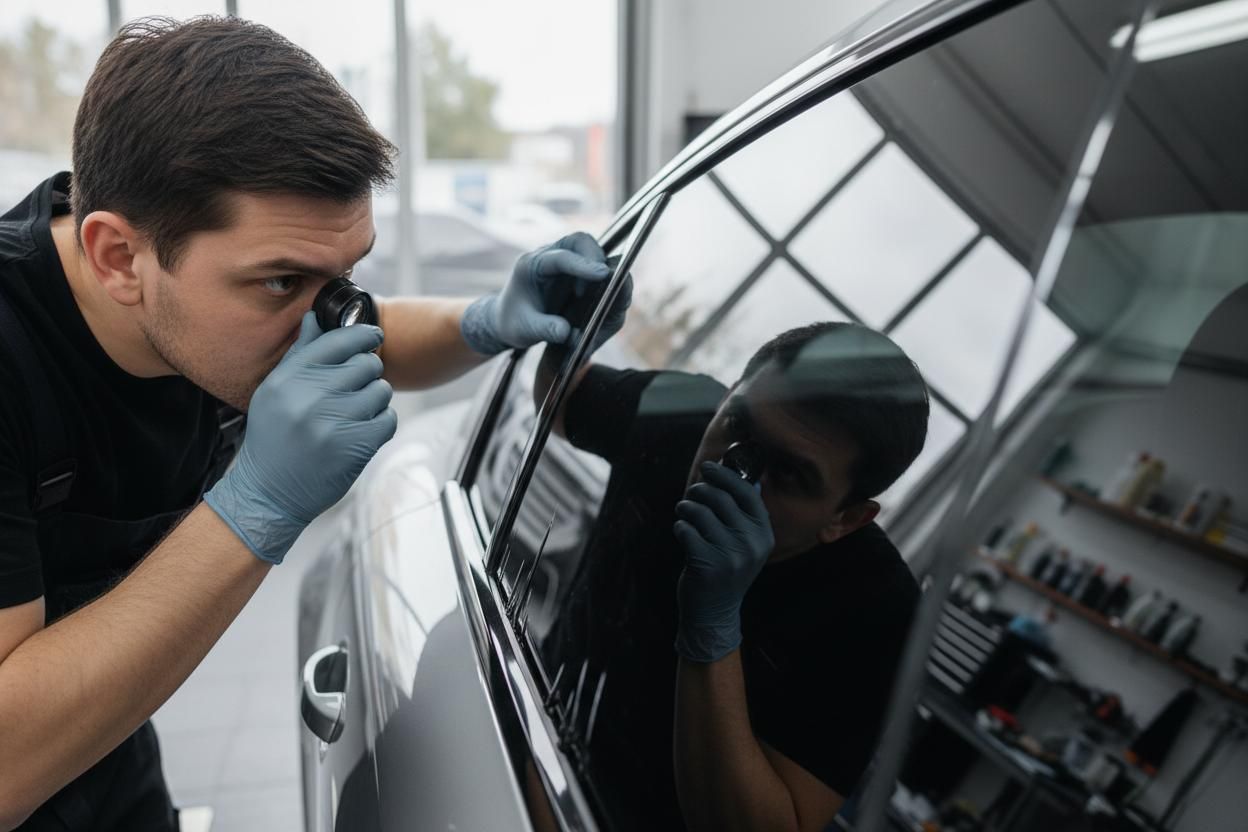
Late summer is a good time to really look at your tint. Many problems are easy to see once you know what to watch for.
Common red flags include:
- Bubbles or blisters that were not there earlier in the season
- Ripples or waves that distort straight lines when you look through the glass
- Peeling or lifting at the corners or along the dot matrix at the top of car windows
- Color changes like purpling, browning, or patchy spots
- Hazy or milky areas that do not go away after cleaning
- Vertical “tiger stripes” where the film looks streaky or uneven
You can do a simple late-summer check on your own:
- Look at each window both in full sun and in shade
- Roll vehicle windows up and down and watch the film at the top edge
- Check corners and around the edges for tiny areas of lift or gaps
- At night, look through your windows at headlights or streetlights for extra glare or starburst effects
These issues are not just cosmetic. Distorted or hazy film can strain your eyes and make it harder to see, especially at night or in heavy rain. In a vehicle, that can become a safety problem. Failing tint can also create hot spots on your dash, seats, or floors, and once the UV protection is compromised, your skin and interior surfaces are more exposed to the sun.
When a Repair Is Enough and When You Must Retint
Not every problem means you have to redo everything. Sometimes a small repair is possible, especially if the film is newer and was installed by a professional.
A repair or partial retint may work when:
- There is very minor edge lifting that has not spread
- You see one small contamination spot, like a tiny bubble with a speck inside
- The film is still under a professional warranty and the rest of the tint looks healthy
In those cases, a film expert can often fix the area or replace a single window to match the rest. The key is catching it early before the failure moves across the glass.
A full retint is usually the smarter choice when:
- There is widespread bubbling or large blisters across the glass
- Adhesive failure is visible, with cloudy patches or film that slides on the glass
- The color has shifted badly, turning purple or an odd brown tone
- There are deep scratches, tears, or film that has become brittle
- You have multiple windows that have been “patched” over the years with different shades or film types
There are also legal and warranty concerns. If your tint has faded to a lighter shade, you may be fine. But if someone layered dark, cheap film over older tint in the past, you could now be outside Tennessee tint laws and at risk for a failed inspection. Stacking film can trap more heat, speed up failure, and damage defroster lines or glass during removal. A proper full removal and retint by a pro keeps things cleaner and safer.
Why Ceramic Tint in Nashville Beats the Late-Summer Heat
Ceramic tint is built for tough, hot climates like ours. It works differently than basic dyed or metallized films. Instead of just darkening the glass, ceramic film targets the part of sunlight that makes things feel hot, the infrared portion, while still blocking a lot of UV.
For real-life, that means:
- A cooler cabin in your car or truck, even after it has been sitting in the sun
- Less strain on your AC in stop-and-go Nashville traffic
- More even temperatures in rooms with big or sun-facing windows
- Less fading on leather seats, dashboards, flooring, and furnishings
Many people are surprised at how light ceramic tint can be while still cutting heat. You do not always need a super dark shade to feel a big difference. That is helpful if you want better comfort while still keeping a clean, open look at home or work.
Professional ceramic options from brands like LLumar are designed for long-term clarity and performance. With expert installation on auto, residential, and commercial glass, you get film that is matched to your specific windows, your daily sun exposure, and your comfort goals.
Make Late Summer Your Regular Tint Checkup
By the time August rolls around, your tint has been through months of strong sun, heavy humidity, and hot glass. Making a late-summer tint check part of your yearly routine helps you catch early warning signs before they affect safety or comfort in your vehicle, home, or business.
A professional inspection can confirm what you are seeing and spot issues you might miss, like early adhesive failure or small defects near defroster lines. From there, you can get an honest opinion on whether your film is still in good shape, needs a minor repair, or is ready for a full retint with modern ceramic tint in Nashville that is better suited to our climate.
Get Started With Your Project Today
If you are ready to improve comfort, privacy, and energy efficiency for your property, we are here to help you plan the right solution. At
Music City Window Tinting, our team will walk you through film options, timelines, and pricing so your project is straightforward from start to finish. Explore how our
ceramic tint in Nashville can help protect interiors, cut glare, and reduce cooling costs.
Reach out today so we can
schedule a consultation that fits your needs.