Choosing Self-Healing PPF for Nashville’s Stop‑Start Traffic
Beat Stop-Start Traffic Damage Before It Starts
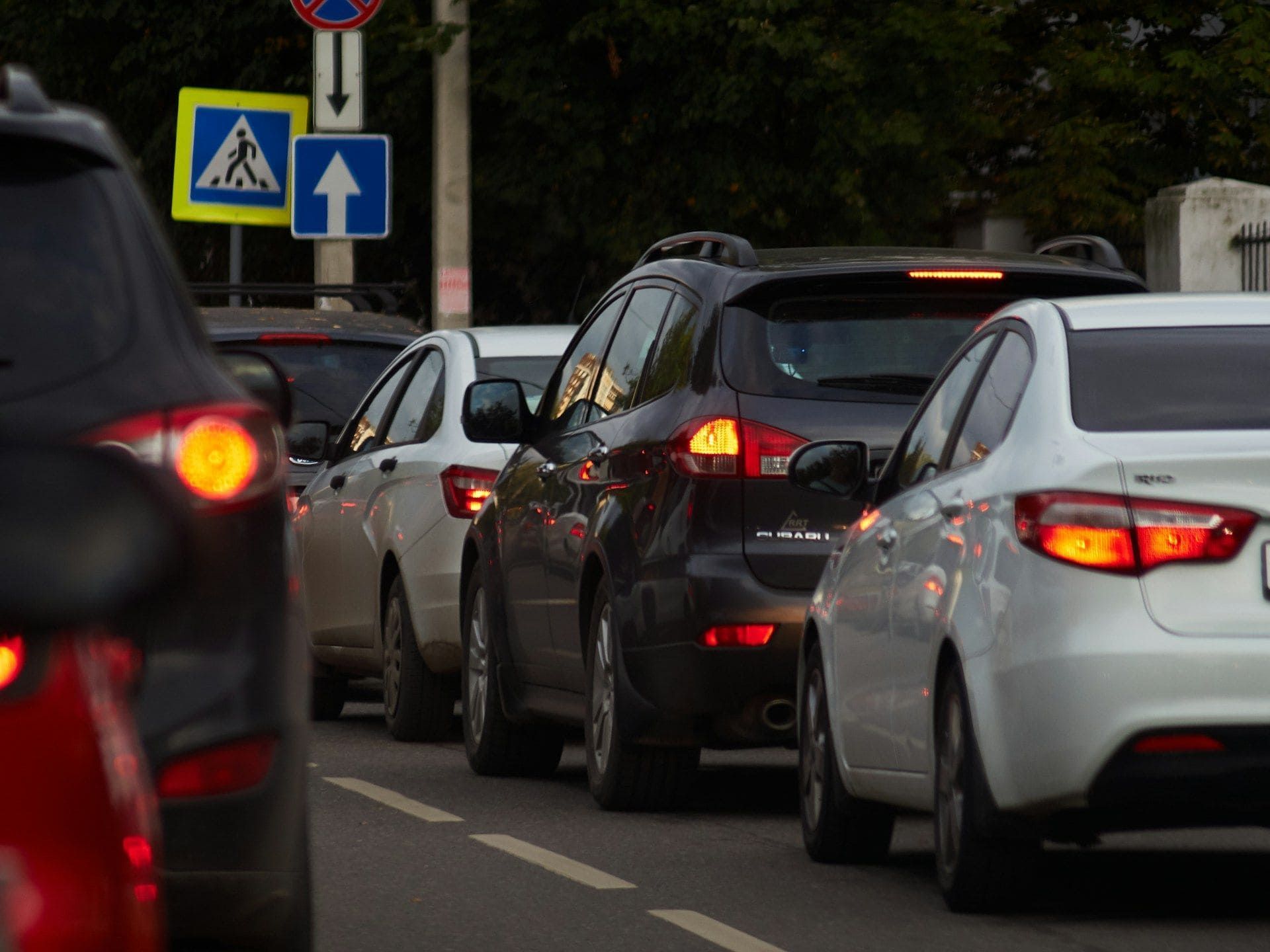
Daily traffic around Nashville is rough on paint. Crawling along I-65, I-24, or through tight downtown streets means lots of braking, tight gaps, and all the gravel and road grit that comes with it. Rocks spit up from the car ahead, tires grind dirt against your bumper, and small scuffs show up faster than you expect.
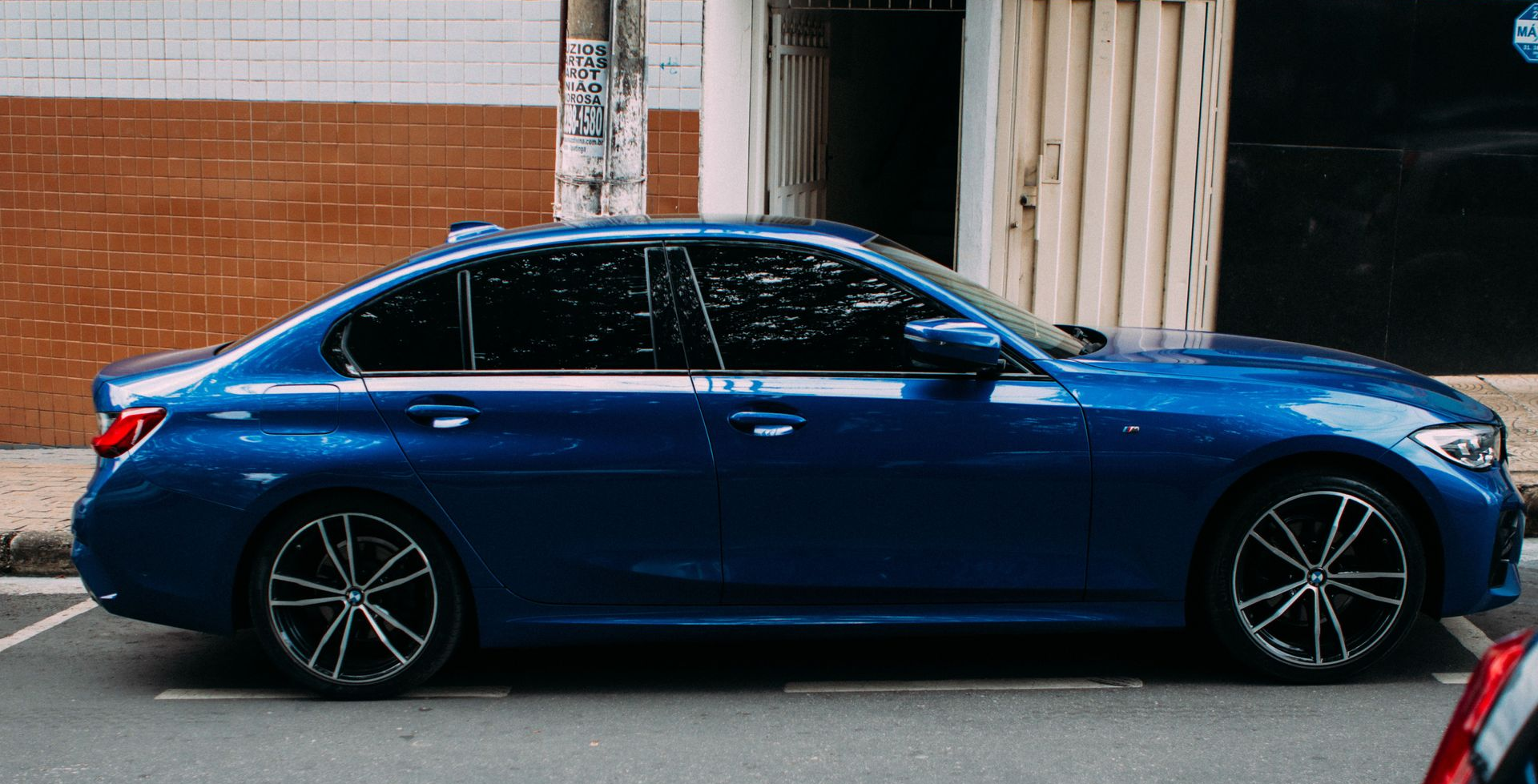
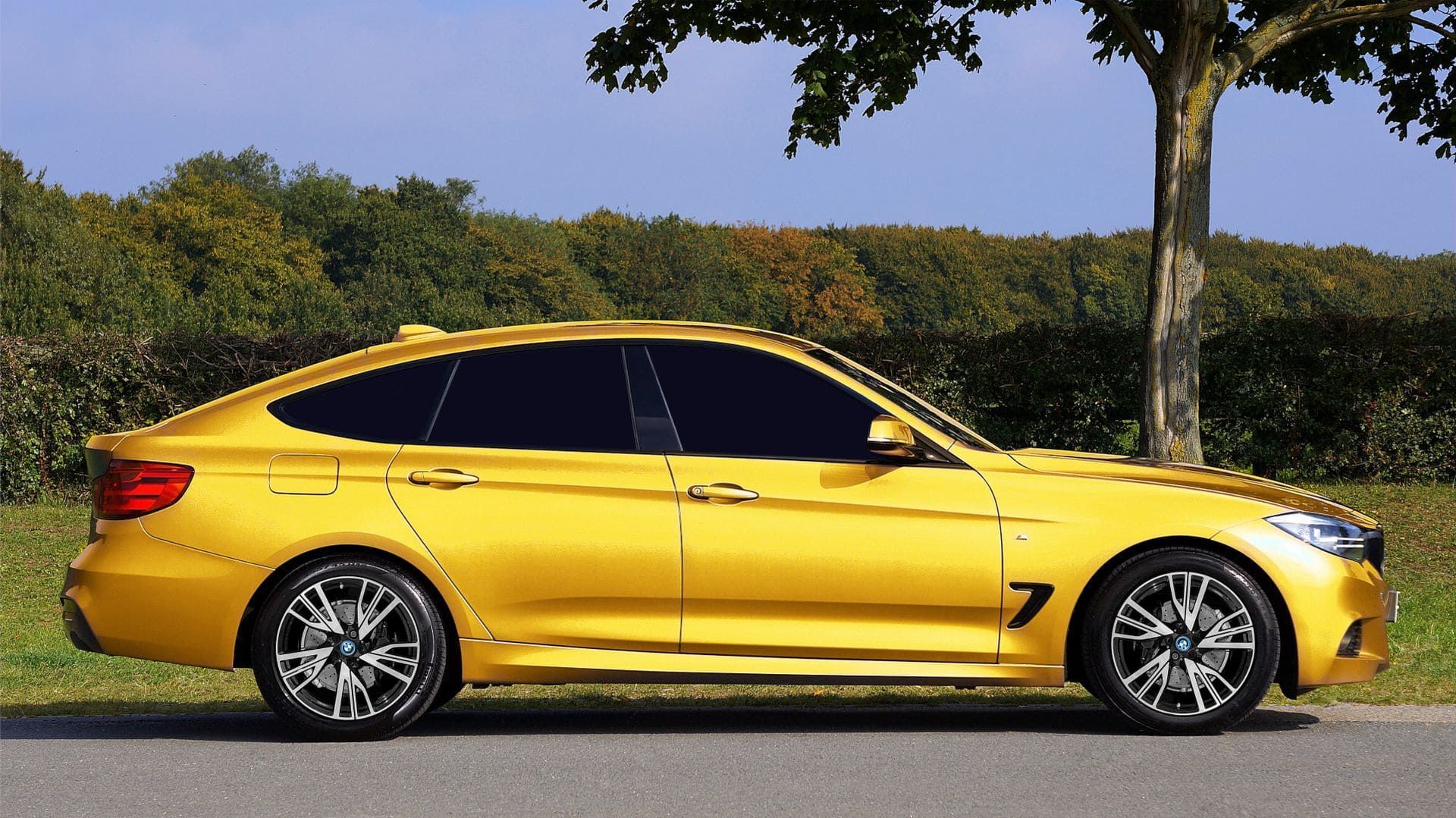
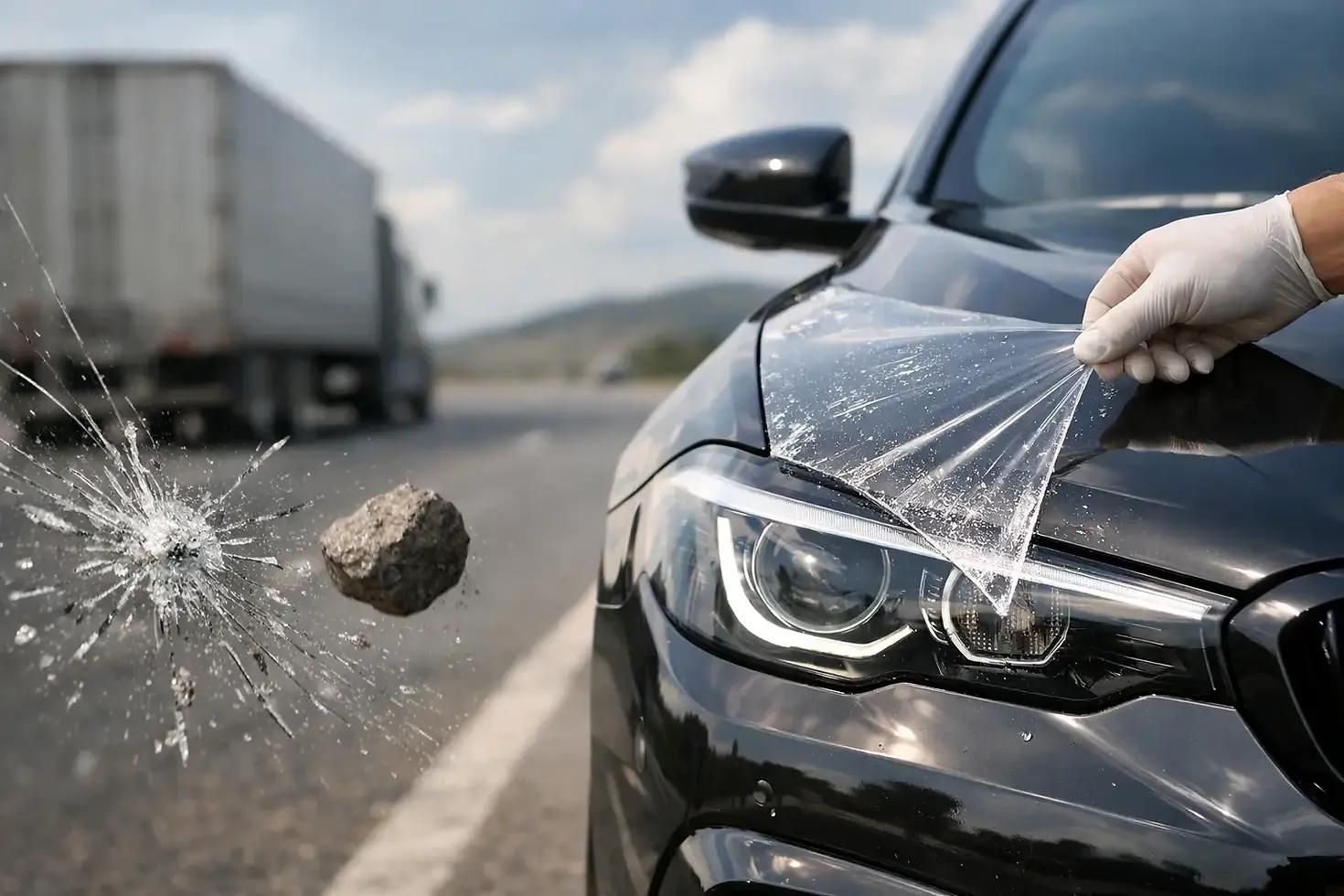
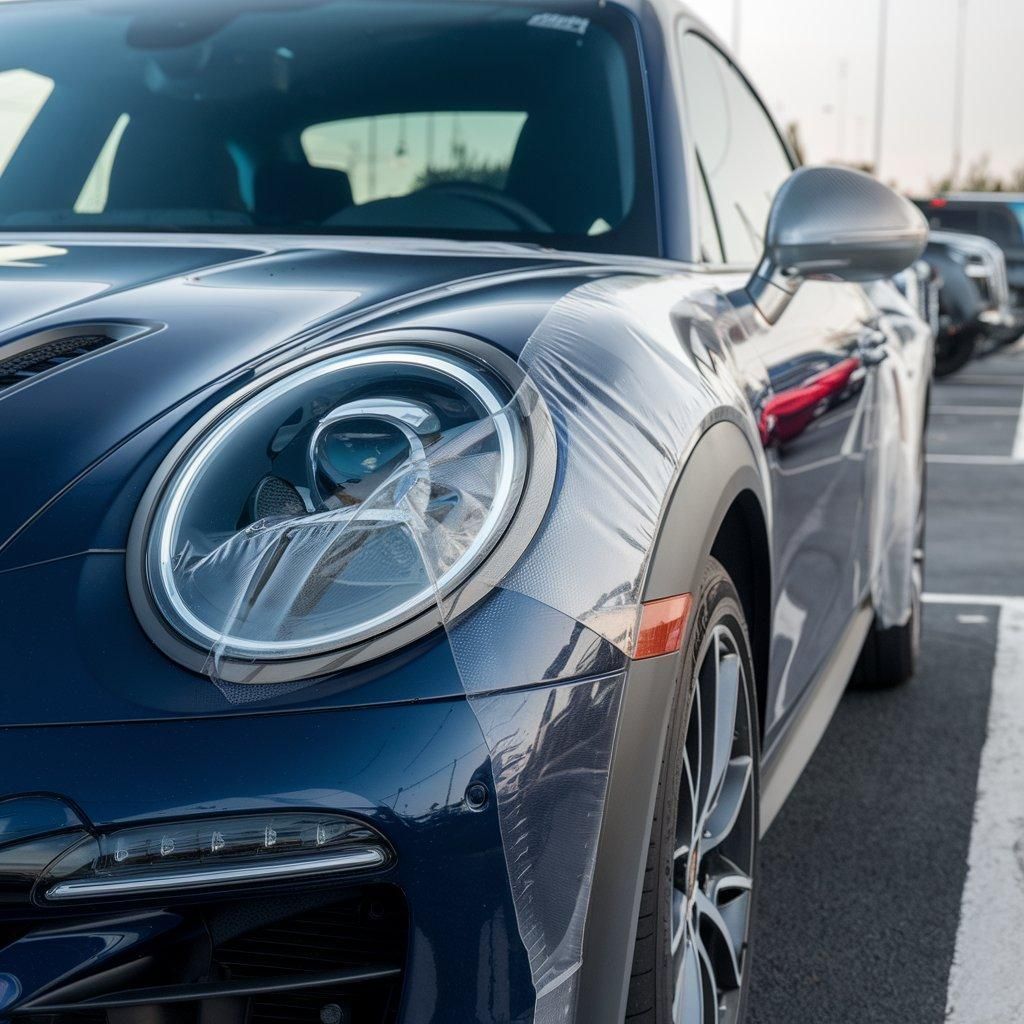
Self-healing paint protection film in Nashville gives your paint a fighting chance. It is a clear, durable, almost invisible layer that sits on top of your paint. It takes the hit from road wear, absorbs light scratches, and can even smooth them out when the surface warms up.
We are based in Brentwood, and we work with drivers all across the greater Nashville area who want better protection for their daily commute. In this article, we will explain how self-healing paint protection film works, why it fits stop-and-go traffic so well, what to think about before you choose a film, and simple ways to care for it in the Tennessee heat.
How Self-Healing PPF Protects in Heavy Traffic
Paint protection film, often called PPF or clear bra, is a clear urethane film that sits on top of your factory paint. Modern self-healing versions take it a step further with a special top coat that can smooth out light marks from everyday use.
Here is what that looks like day to day in Nashville traffic:
- Grit and sand from the road create light swirl marks
- People brush against your doors in parking lots with bags or jackets
- Soft cloth car washes leave faint lines in the clear coat
- Small debris pops up from the car in front and skips across your bumper
The self-healing layer responds most when it warms up. Heat from the sun or warm water makes the top coat soften slightly and reflow. That helps fine swirls and light scratches relax so they look less noticeable or even seem to disappear from normal viewing distance.
Stop-start driving makes this protection even more important. When you sit close behind trucks and construction vehicles, your front end gets peppered with:
- Tiny stones
- Sand and salt leftover from bad-weather prep
- Bits of asphalt or dried tar
Key areas that benefit most in heavy commuting include the:
- Front bumper, which takes the biggest hit from rocks and bugs
- Leading part of the hood, where chips often start
- Front fenders and side mirrors, which sit right in the spray from tires
- Door edges, which get nicked in parking lots
- Top of the rear bumper, where bags, strollers, and gear slide across the paint
With quality self-healing film on these zones, most of the small daily wear hits the film instead of your actual paint.
Why Nashville Drivers Need Extra Paint Defense
Middle Tennessee roads put paint through a lot. Ongoing work on interstates and side roads means lane shifts, temporary patches, gravel sections, and metal plates that kick up loose debris at rush hour. Each merge and lane change is another chance for your front end to catch a chip.
Then there is the climate. Summer brings strong UV, hot blacktop, and quick storms that leave steam rising off the road. That mix speeds up clear coat fade and oxidation, especially on darker vehicles that sit in the sun all day.
Self-healing paint protection film in Nashville helps shield your clear coat from:
- Sun exposure that dulls paint over time
- Bug splatter on the front end
- Bird droppings and tree sap
- Road grime and light staining from dirty water
By keeping the clear coat safer, the film helps your paint keep its gloss longer, even in harsh sun and humidity. That matters if you drive a newer SUV, truck, EV, or luxury sedan and want the finish to look sharp when it comes time to sell or trade. Factory paint that is not speckled with chips and swirl marks usually leaves a better first impression.
Choosing the Right Self-Healing PPF for Your Car
Not all paint protection films feel the same. When you are comparing options, it helps to look at a few key traits:
- Clarity, how invisible the film looks on the paint
- Gloss level, how much shine it adds or maintains
- Thickness, which can influence how much impact it absorbs
- Self-healing speed, how quickly swirls respond to warmth
- Stain resistance, how well it handles bugs, tar, and road film
- Warranty support, from well-known brands like LLumar
Coverage level matters too. Some popular packages include:
- Full front end, bumper, full hood, full front fenders, and mirrors
- High-impact partial coverage, such as bumper, partial hood and fenders, and door cups
- Full-vehicle coverage, for drivers who want maximum long-term protection
Daily commuters often lean toward at least a solid front-end package. Rideshare drivers and people who log a lot of highway miles may benefit from extra coverage on door edges, rocker panels, and rear bumpers. Owners of higher-end or special vehicles sometimes choose full-body coverage for the most uniform look.
Professional installation is very important with PPF. Proper prep, fitment, and trimming help prevent:
- Lifting edges
- Trapped dirt or air under the film
- Uneven seams or stretch marks
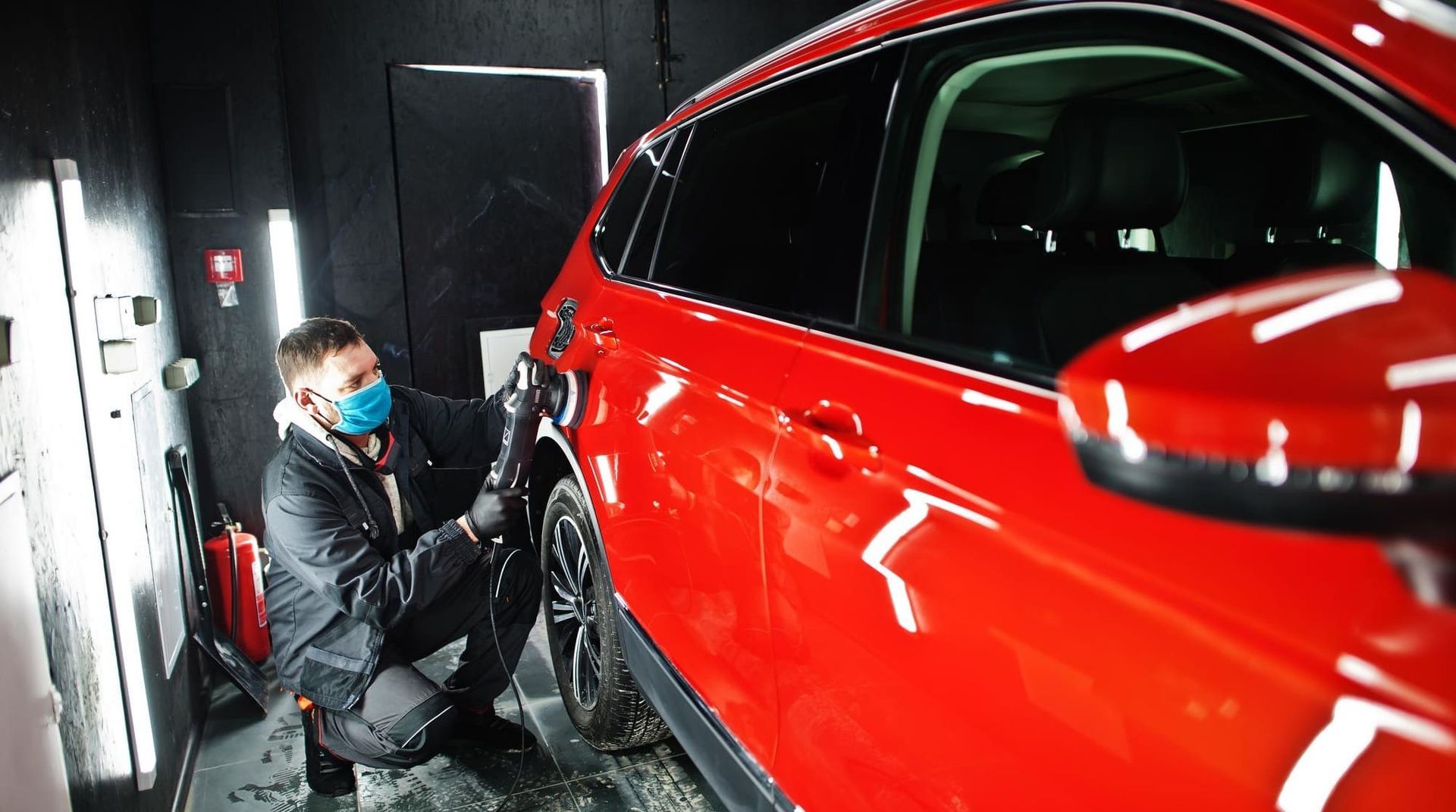
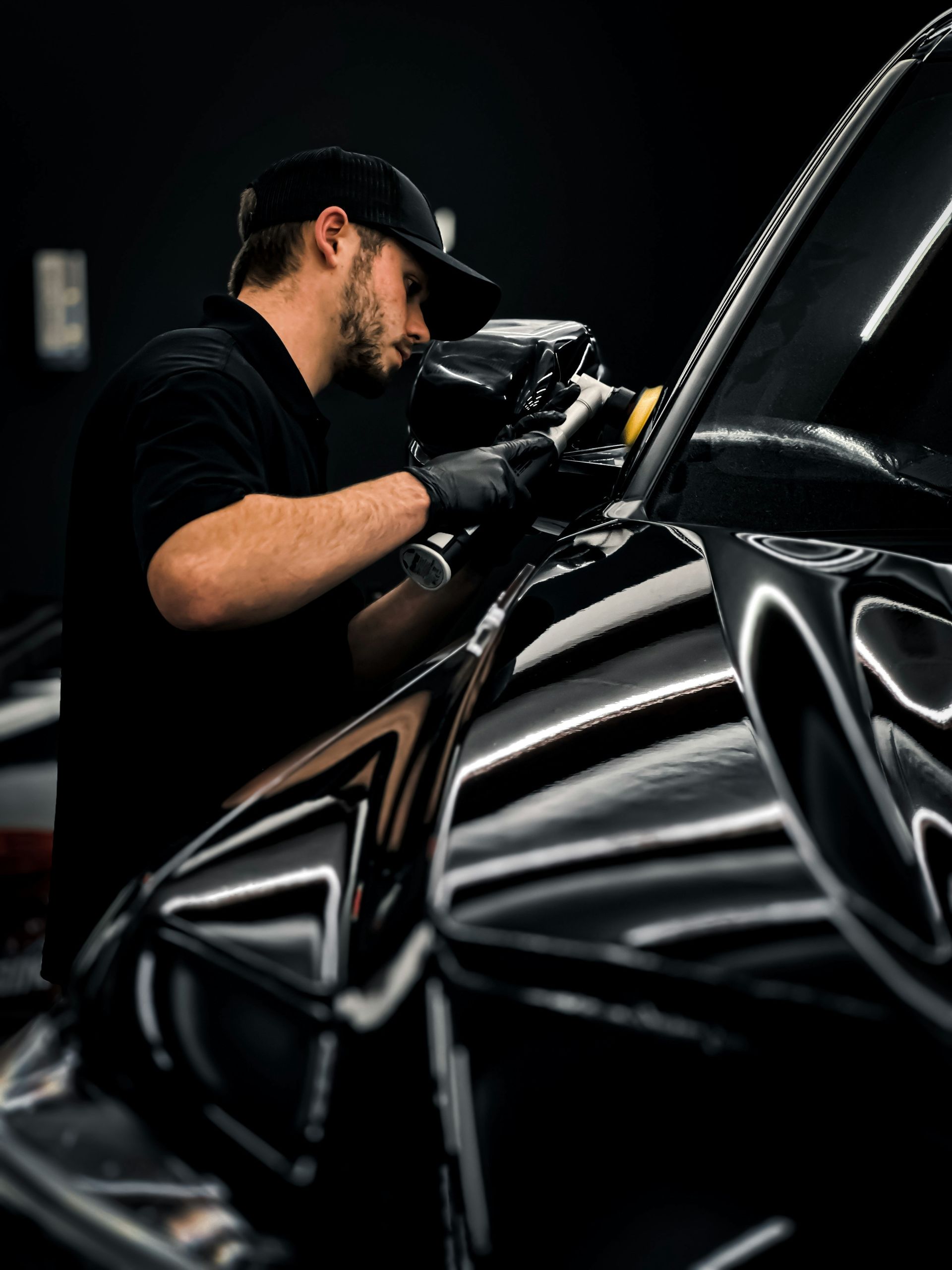
At a shop that works with this material every day, you get controlled lighting, clean work areas, and trained installers who know how to shape the film to the curves of your vehicle. Over time, that helps the film stay put and look smoother compared to a DIY kit.
When you look at the long run, one good install often costs less than repeated paint correction, bumper resprays, and the loss in value from a front end that looks worn before its time.
Summer Heat, Self-Healing, and Easy Care Tips
Nashville heat can feel intense when the sun bounces off the pavement, but that warmth actually helps self-healing film do its job. When the surface of the film gets warm, light swirls and micro-scratches in the top coat often relax and fade from normal view.
To keep your film looking clear and glossy, some simple habits go a long way:
- Wash with a gentle, pH-balanced car soap
- Use a soft wash mitt and plenty of clean water
- Dry with clean microfiber towels, not old bath towels
- Avoid automatic washes with stiff brushes and harsh chemicals
PPF is very good at dealing with:
- Rock chips and sand spray that would otherwise hit your paint
- Bug splatter on road trips
- Light scratches from washing and normal contact
It is not meant to handle deep damage from hard impacts, strong solvents, or aggressive polishing with heavy compounds. If something looks serious, it is better to have a professional take a look instead of trying strong chemicals on your own.
Season to season, a few habits help your film last:
- Rinse off heavy pollen and dust when you can
- Clean bug spots and tar soon, do not let them sit for weeks
- Keep an eye on edges and corners for lifting
- Get problem spots checked by a pro before they spread
Protect Your Commute with Professional PPF Installation
Stop-and-go traffic around Nashville is not going away, but the damage it does to your paint does not have to be permanent. With quality self-healing paint protection film in Nashville, your car can handle daily construction zones, tight parking, and long highway drives with far fewer chips and swirls.
At Music City Window Tinting in Brentwood, we work with LLumar self-healing films and focus on clean, careful installs that match how and where you drive. Whether you commute on the interstates every day, run a busy rideshare schedule, or just want to keep a new vehicle looking fresh, the right PPF package can make your daily drive a lot less stressful on your paint.
Protect Your Vehicle With Advanced Self-Healing Technology Today
If you are ready to keep your paint looking newer for longer, we are here to help you choose the right level of protection for your vehicle. Our team at Music City Window Tinting professionally installs
self-healing paint protection film in Nashville tailored to how and where you drive.
Reach out today to
schedule a consultation so we can walk you through film options, coverage areas, and pricing that fit your goals.