Full Front vs Partial PPF: Which Fits Your Car?
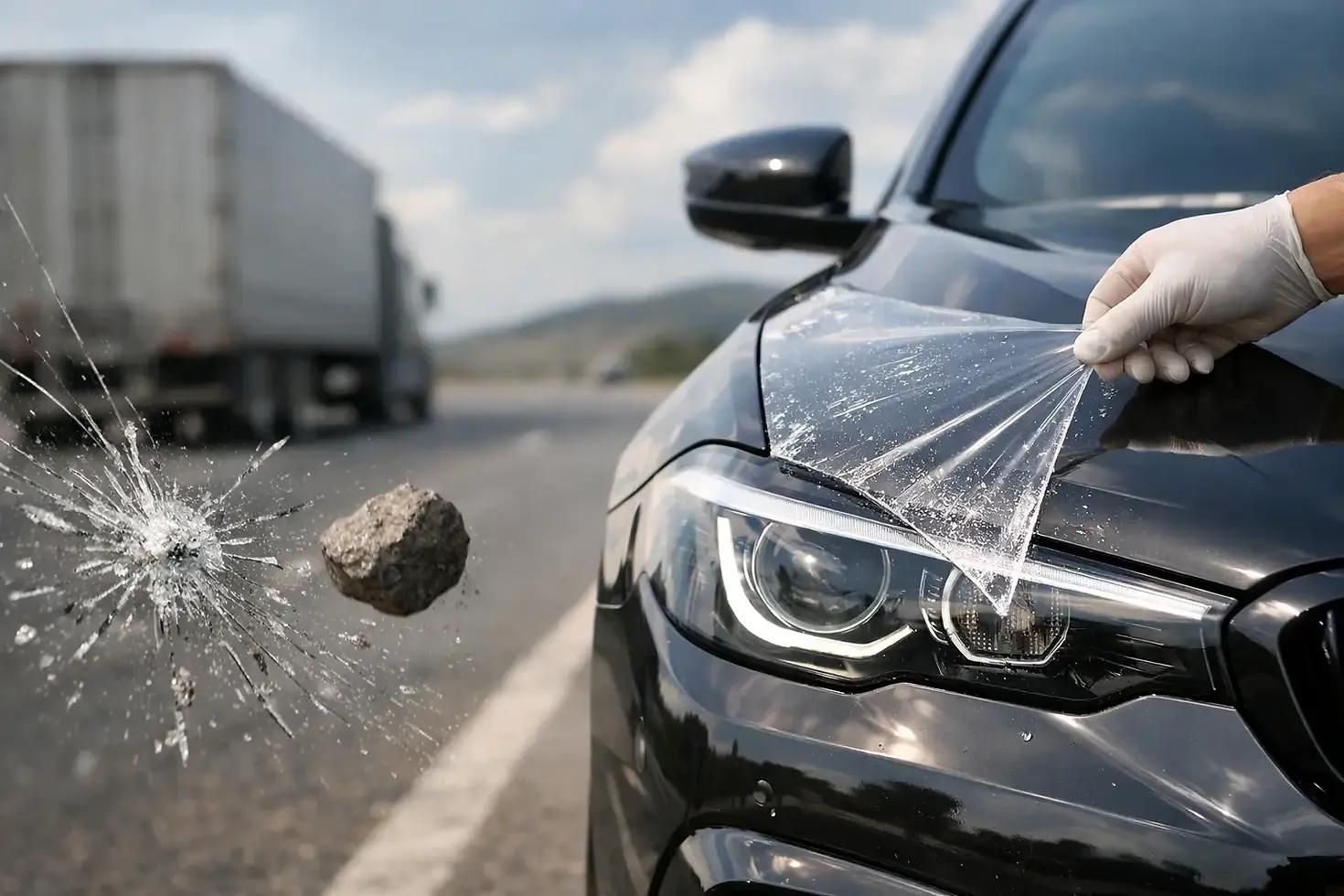
If you are comparing full front PPF vs partial PPF, the right choice depends on where your vehicle faces the most risk, how often you drive, and how long you plan to keep it. In Brentwood, Nashville, Franklin, Cool Springs, Spring Hill, and Murfreesboro, daily commuting, highway travel, construction zones, and loose road debris can quickly wear down unprotected paint. The front bumper, hood, fenders, and mirror caps usually take the most abuse, but not every driver needs the same level of coverage. Partial paint protection film can help shield the highest impact areas at a lower price, while full front PPF provides broader and cleaner-looking protection across the entire leading edge of the vehicle. Choosing too little coverage can leave exposed paint vulnerable to chips and scratches, while choosing too much may stretch the budget beyond what makes sense. For many Nashville-area drivers, professional paint protection film is a smart investment, but the best package depends on driving habits, vehicle type, budget, and ownership goals.
Table of Contents
- What Is Paint Protection Film and How Does It Work?
- What Partial PPF Coverage Typically Includes
- What Full Front PPF Coverage Typically Includes
- Which Areas of a Car Are Most Prone to Chips and Damage
- Cost Differences Between Partial and Full Front PPF
- How Driving Habits and Vehicle Type Affect the Right Coverage Choice
- What to Expect From a Professional PPF Installation
- FAQ: Full Front vs Partial PPF
- Conclusion
What Is Paint Protection Film and How Does It Work?
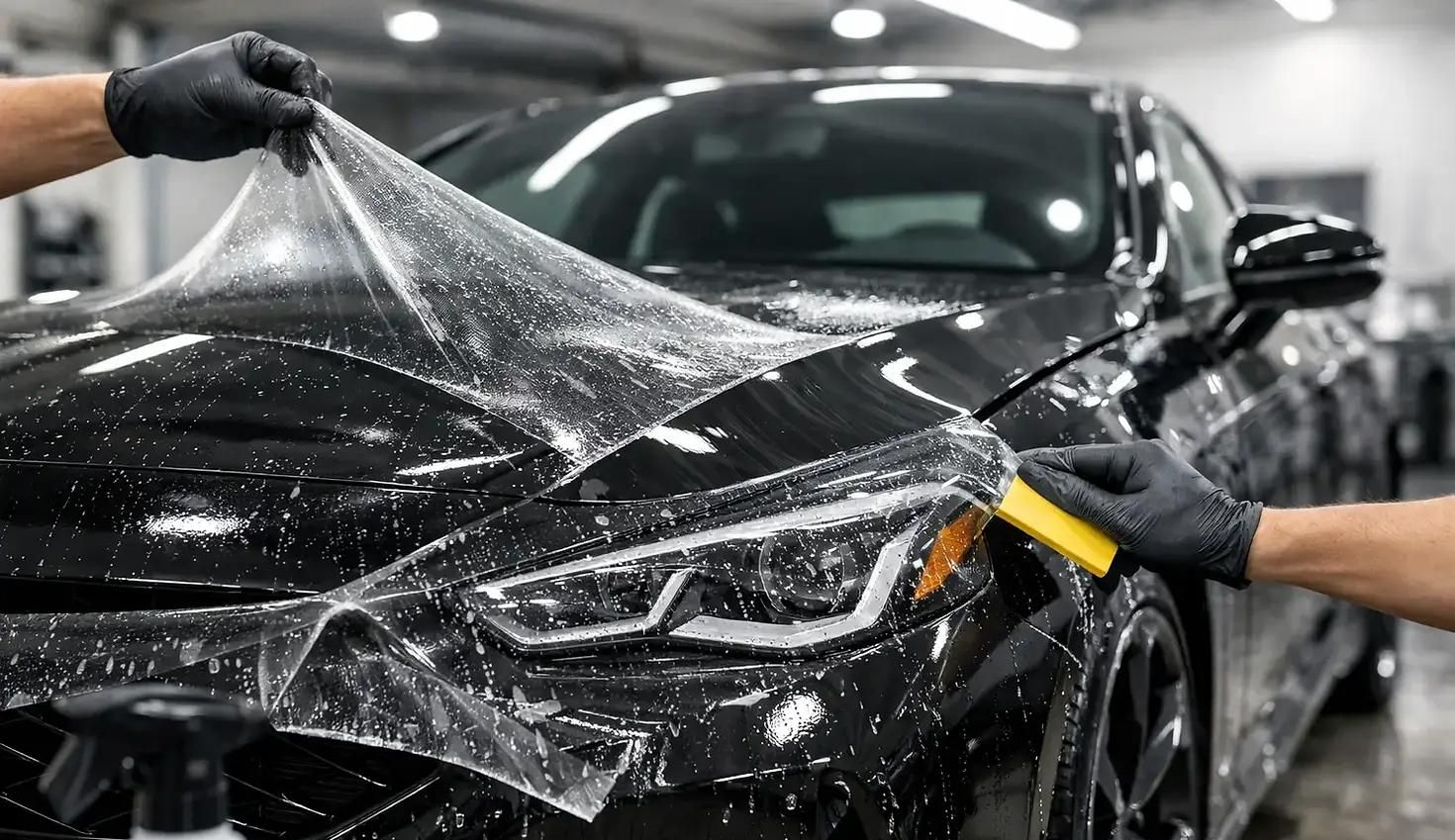
Paint protection film, often called PPF or clear bra, is a transparent urethane-based film designed to help protect painted vehicle surfaces from rock chips, light scratches, bug acids, road debris, and everyday wear. It is applied directly to painted panels and acts as a sacrificial layer between the road and your factory finish.
For drivers searching for PPF Nashville or clear bra Brentwood TN, the key benefit is simple: the film absorbs damage that would otherwise reach the paint. Many modern films also include self-healing properties that help minor surface marks fade with heat exposure. This makes PPF especially appealing for front-end protection, where damage is most common.
Not all coverage packages are the same. Some drivers only protect the most vulnerable sections of the front end, while others choose a full front PPF package that covers complete panels for more seamless protection. That is why understanding package differences matters before comparing price alone.
Why car owners choose paint protection film
Most owners invest in PPF to preserve appearance, reduce paint damage, and support long-term value. It is especially useful for new vehicles, luxury models, performance cars, trucks, SUVs, and daily drivers that spend time on interstates around Nashville.
Why LLumar paint protection film stands out
Music City Window Tinting uses LLumar paint protection film products, including Valor, Select Black, Platinum Extra, Platinum Gloss, and Platinum Matte. These options are designed for drivers who want premium optical clarity, stain resistance, durable surface protection, and coverage packages that can be tailored to the vehicle and finish style. For owners who want long-term front-end protection without changing the look of the paint, LLumar PPF is a strong option.
What Partial PPF Coverage Typically Includes
Partial PPF is designed to cover the highest impact areas of the front end without wrapping every full panel. It is a popular entry-level option for drivers who want meaningful protection at a lower paint protection film cost.
A typical partial paint protection film package often includes a portion of the hood, a portion of the front fenders, the front bumper, and mirror caps. Coverage lengths can vary by installer and vehicle design, but the goal is the same: protect the sections most likely to take direct hits from rocks and debris.
Common areas included in partial PPF
- Front bumper
- Partial hood coverage
- Partial front fenders
- Mirror caps
Some drivers assume partial coverage protects the entire front end. It usually does not. Instead, it targets leading-edge sections where impact is most frequent. This makes it a good fit for owners who want to improve protection over bare paint but are not ready to invest in full panel coverage.
Main advantage of partial PPF
The main advantage is affordability. If your top priority is shielding the most vulnerable zones while keeping costs lower, partial PPF can be a practical solution. It can make sense for shorter ownership periods, lower-mileage vehicles, second cars, or drivers who spend less time at highway speeds.
Main limitation of partial PPF
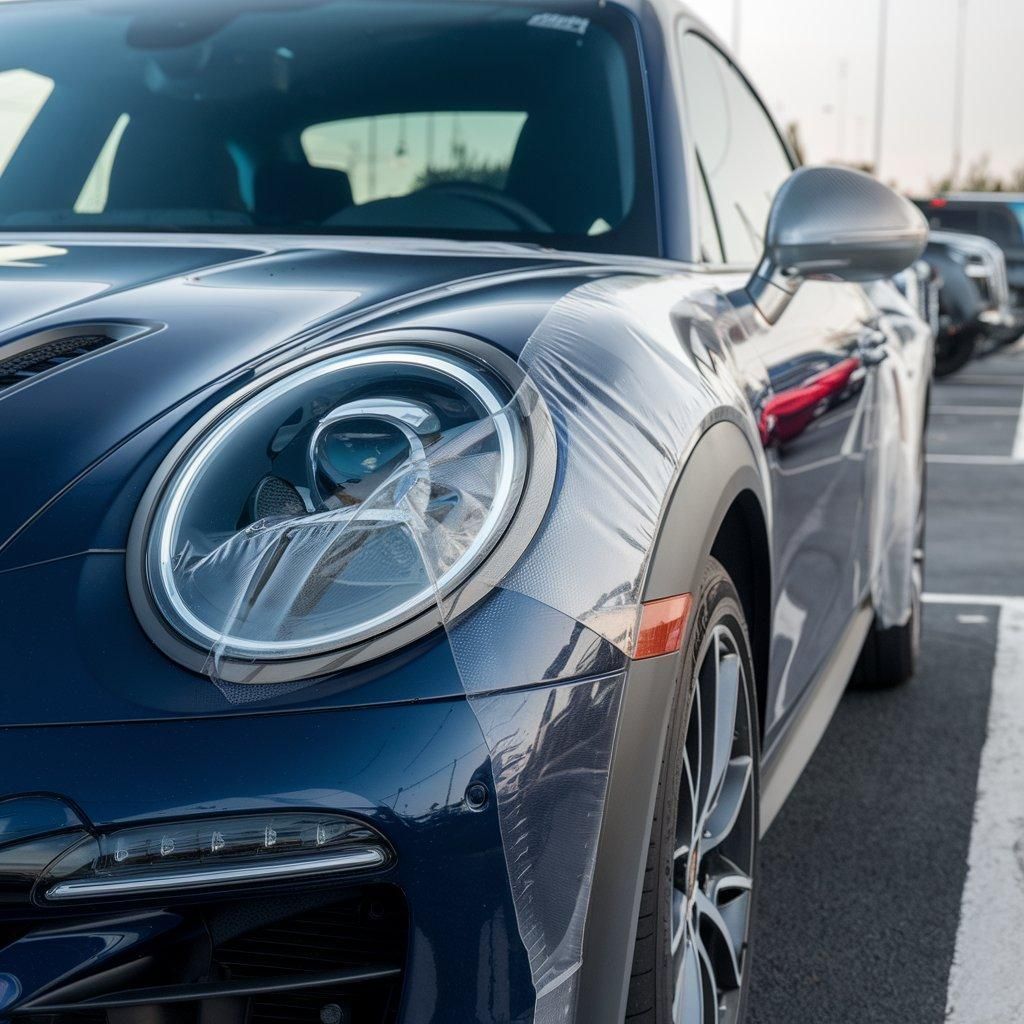
The tradeoff is that the transition line between covered and uncovered paint is more noticeable because the film ends partway across larger panels. The unprotected portions of the hood and fenders can also remain vulnerable to damage. For some owners, especially on dark paint or premium vehicles, those seam lines and exposed upper sections are important deciding factors.
What Full Front PPF Coverage Typically Includes
Full front PPF extends protection across the complete front-facing painted surfaces rather than stopping midway up the panel. It is the preferred option for drivers who want broader impact protection and a more uniform appearance.
A typical full front PPF package usually includes the full hood, full front bumper, full front fenders, and mirror caps. On some vehicles, installers may also discuss additional high-impact areas such as headlights, A-pillars, rocker panels, or the area behind the rear wheels depending on the body style and driving environment.
Common areas included in full front PPF
- Full hood
- Full front bumper
- Full front fenders
- Mirror caps
Compared with partial paint protection film, full front PPF creates a cleaner look because coverage reaches panel edges instead of ending in the middle of visible surfaces. That reduces noticeable seam lines and improves consistency across the front of the vehicle.
Who full front PPF is best for
Full front PPF often makes the most sense for drivers who commute frequently, travel on I-65 or other highways, drive behind trucks often, own premium or performance vehicles, or plan to keep the car for many years. It is also a strong choice for people who care deeply about keeping the front end looking as close to new as possible.
Full front PPF vs partial PPF at a glance
| Option | Areas Covered | Rock Chip Protection | Scratch and Swirl Protection | Visual Seam Lines | Typical Cost Range | Best Suited Driver Type | Long-Term Resale Value Impact |
|---|---|---|---|---|---|---|---|
| Partial PPF | Front bumper, partial hood, partial fenders, mirrors | Moderate on highest impact zones | Moderate on covered sections only | More visible because film stops mid-panel | Lower | Budget-focused, lower mileage, shorter ownership | Helpful, but less comprehensive |
| Full Front PPF | Full hood, full bumper, full fenders, mirrors | High across the full leading edge | High on full covered front panels | Less visible on major panels | Higher | Highway commuters, premium vehicles, long-term owners | Stronger protection for appearance retention |
| No PPF | None | Low | Low | None | None upfront | Owners accepting paint wear risk | Greater chance of visible wear over time |
Which Areas of a Car Are Most Prone to Chips and Damage
The most vulnerable parts of a vehicle are usually the surfaces that face forward or sit directly in the path of debris thrown by other vehicles. If you are asking, "What is the best PPF coverage for my car?" start by identifying where damage is most likely to happen.
Highest-risk zones on most vehicles
- Front bumper
- Leading edge of the hood
- Front fenders near the wheel arches
- Mirror caps
- Rocker panels
- Area behind the wheels
These surfaces are hit most often by gravel, sand, tire spray, road salt residue, and small debris. In the Nashville area, highway commuting, suburban construction growth, and seasonal travel can all increase front-end wear. Even careful drivers cannot fully avoid road hazards.
Why front bumpers and hood edges take the most abuse
The front bumper sits low and directly in the path of road debris. The leading edge of the hood catches stones that bounce upward at speed. On many cars, these are the first areas to show chips. That is one reason both partial and full front PPF packages focus heavily on these panels.
Why vehicle shape matters
Sedans, coupes, SUVs, and trucks do not all collect damage the same way. Lower cars may take more direct front-end impact, while wider trucks and SUVs can see more exposure across the front fascia and fender edges. Vehicles with flared body lines or wide tires may also need extra attention in side-impact areas such as rocker panels.
Cost Differences Between Partial and Full Front PPF
Paint protection film cost varies by vehicle size, panel complexity, film line, and installer, but full front PPF almost always costs more than partial coverage because it uses more film, covers complete panels, and typically requires more labor.
For many owners, the better question is not simply which package costs less. It is which package offers the best value for their driving risk and ownership goals. A lower upfront price can still be the wrong fit if exposed paint later shows avoidable damage.
Why full front PPF costs more
- More total square footage of film
- More complete panel coverage
- Additional installation time
- Cleaner appearance across full panels
Partial PPF costs less because it protects fewer square inches and stops short of full panel edges. That makes it easier to fit a tighter budget, but the visual and protective tradeoffs should be weighed carefully.
How to think about value instead of price alone
If you drive long distances, own a newer vehicle, or want to minimize visible front-end wear, full front PPF may provide stronger long-term value. If you drive locally, keep mileage lower, or want a more affordable first step into protection, partial PPF may be enough. The right answer depends on your real-world use, not just a price quote.
LLumar PPF finish options comparison
| LLumar PPF Option Type | Finish Appearance | Best For | Key Benefits |
|---|---|---|---|
| Gloss options such as Platinum Gloss | Clear, high-gloss finish | Drivers who want to preserve a factory glossy paint look | Optical clarity, strong surface protection, clean appearance |
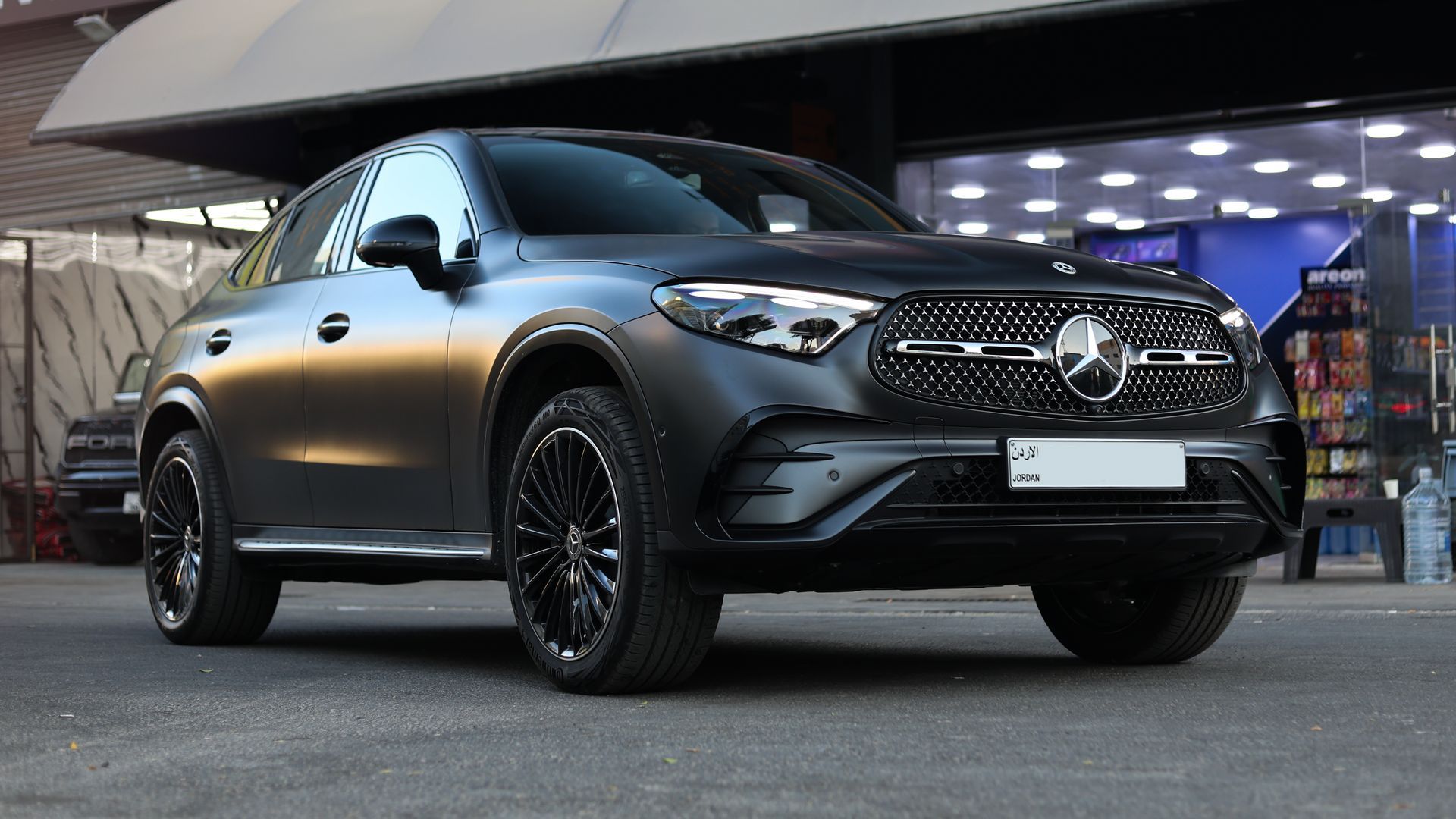
| Matte options such as Platinum Matte | Satin or matte-style appearance | Matte paint vehicles or owners seeking a muted finish look | Paint protection while maintaining the intended finish style |
| Self-healing focused premium lines such as Valor and Platinum Extra | Clear premium finish depending on product | Drivers prioritizing long-term durability and easier maintenance | Self-healing surface response, stain resistance, durable protection |
| Specialized styling option such as Select Black | Dark styling appearance for select applications | Owners wanting protection with a bold accent look in applicable areas | Protective performance with a distinctive visual effect |
How Driving Habits and Vehicle Type Affect the Right Coverage Choice
The best PPF coverage for your car depends heavily on how you use it. This is the section many shoppers overlook, but it is often the deciding factor between partial and full front PPF.
Choose full front PPF if you do a lot of highway driving
Drivers who regularly travel between Brentwood, Nashville, Franklin, Cool Springs, Spring Hill, or Murfreesboro often face more road debris exposure at speed. If you commute daily, take frequent interstate trips, or drive behind commercial traffic, full front PPF usually makes more sense because impact risk is spread across more of the front end.
Choose partial PPF if your use is lighter and budget is tighter
If your vehicle is driven mostly around town, sees lower annual mileage, and you want focused protection without stepping into the cost of full panel coverage, partial PPF may be the better fit. It addresses the most common impact zones while keeping the initial investment lower.
Consider your vehicle type and ownership timeline
Luxury vehicles, sports cars, new trucks, and recently purchased SUVs often benefit from broader protection because owners usually care more about long-term appearance and resale. If you plan to keep the car for many years, a stronger upfront investment may pay off in preserved paint condition. If you expect to trade it sooner, a partial package may be enough to reduce visible wear in the most exposed areas.
Simple rule of thumb
If you want maximum front-end coverage and a cleaner finished look, choose full front PPF. If you want targeted protection at a lower cost, choose partial paint protection film. The right package is the one that matches your actual risk, not someone else's.
What to Expect From a Professional PPF Installation
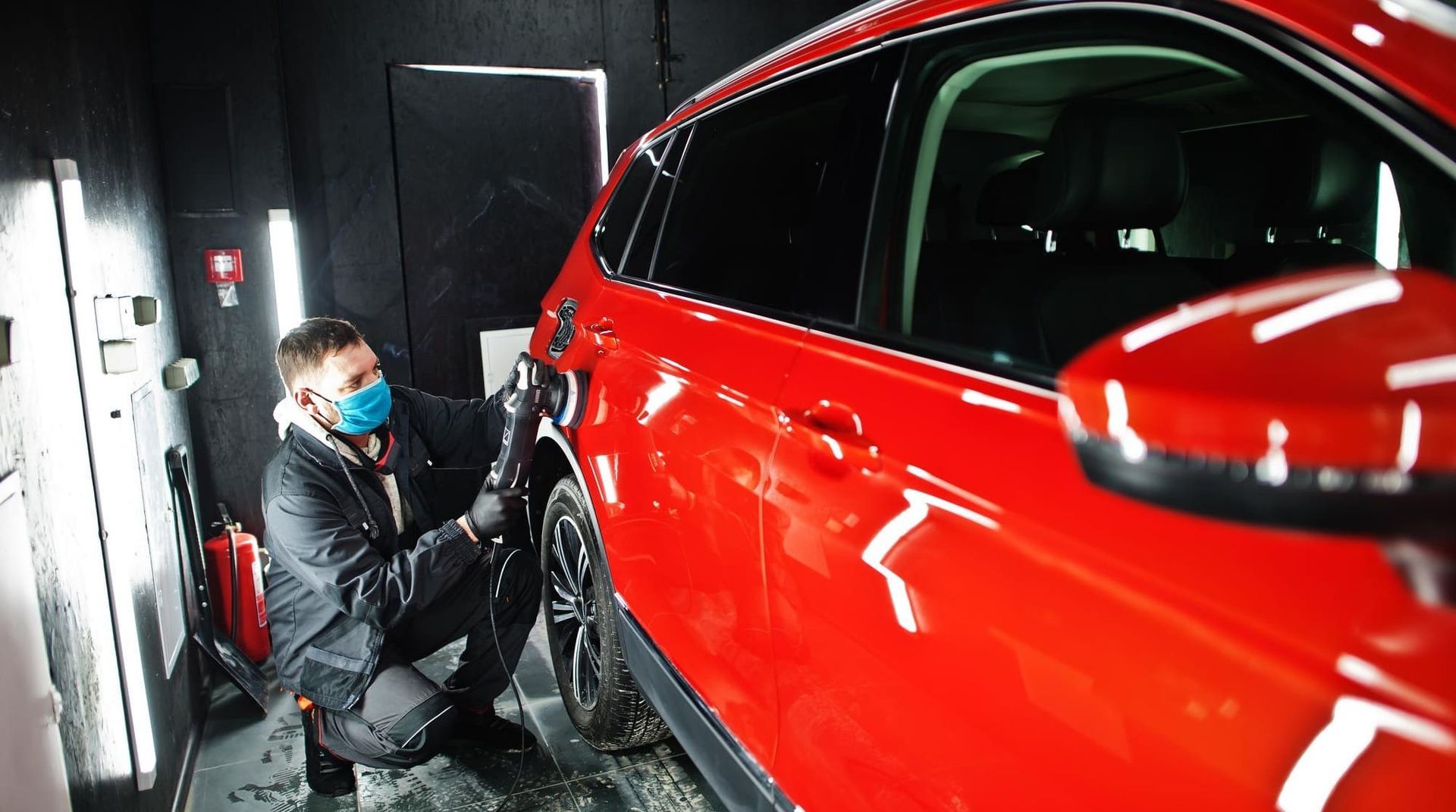
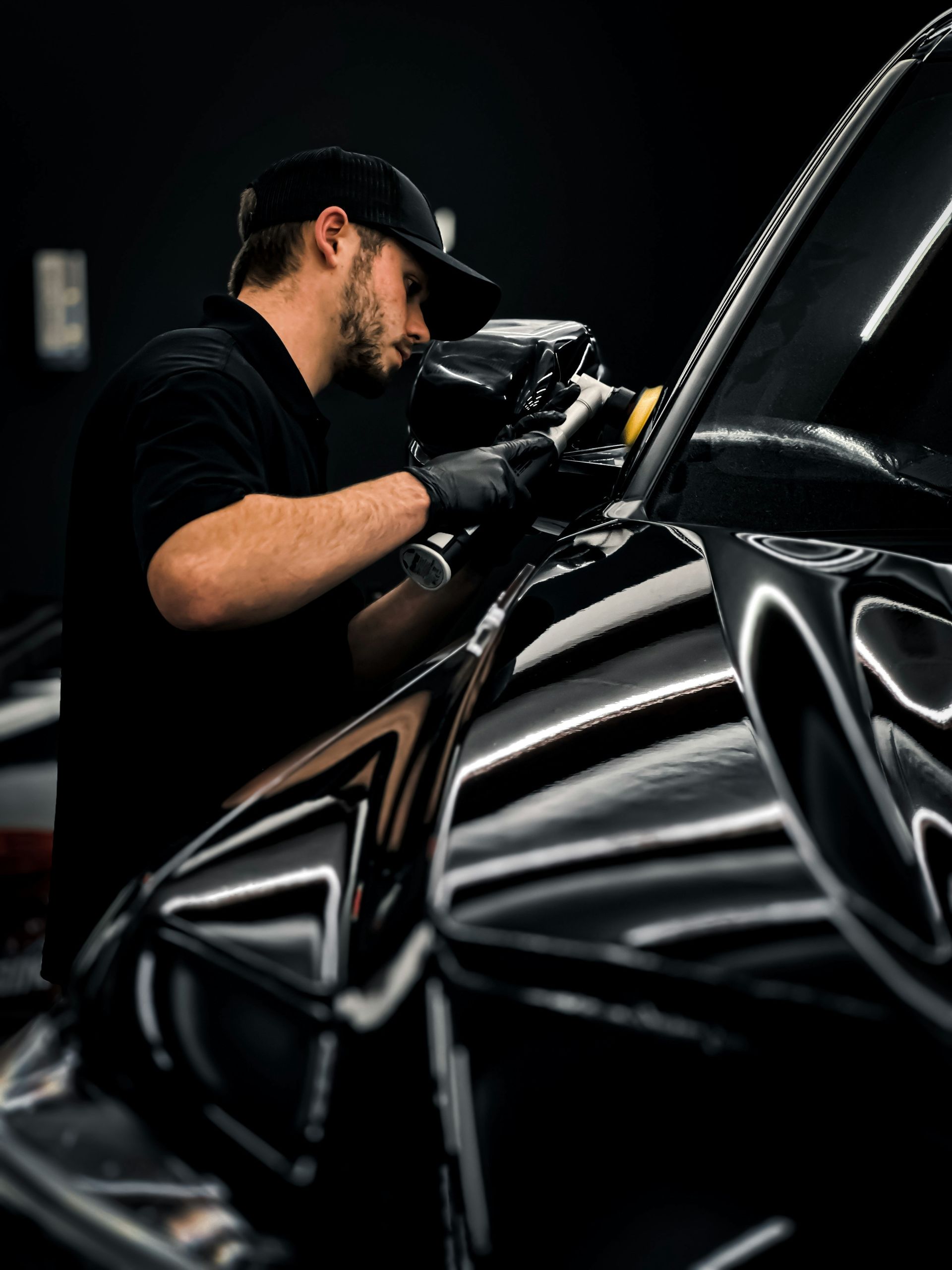
A professional PPF installation is about more than placing film on paint. Proper prep, accurate film patterning, surface cleanliness, and careful finishing all affect the final appearance and durability.
What happens before the film is applied
The vehicle surface should be thoroughly cleaned and prepared so the film can bond properly. Any contamination left behind can affect the final result. Installers also review coverage areas and discuss finish options so expectations are clear before work begins.
What the installation process includes
During installation, the film is aligned carefully to the intended panels and adjusted to follow panel shapes, edges, and contours. The goal is a clean fit, consistent appearance, and reliable coverage where damage is most likely to occur.
What to expect after installation
After installation, owners usually receive care guidance for the film, including when to wash the vehicle and what to expect during the initial curing period. Professional installation helps ensure the package matches the vehicle, the seams are as refined as possible, and the final result delivers the protection level you selected.
For drivers comparing clear bra Brentwood TN options, professional installation matters just as much as the film itself. A premium product such as LLumar paint protection film performs best when the coverage plan and installation quality both support the vehicle's real-world needs.
FAQ: Full Front vs Partial PPF
What is the difference between full front and partial PPF?
Partial PPF covers select high-impact areas such as the bumper, part of the hood, and part of the fenders. Full front PPF covers the full hood, full bumper, full fenders, and mirrors for broader and more uniform protection.
What areas does partial PPF typically cover?
It typically includes the front bumper, mirror caps, and partial coverage on the hood and front fenders. Exact package boundaries can vary by vehicle and installer.
Is full front PPF worth the extra cost?
For many highway drivers, long-term owners, and premium vehicle owners, yes. It protects more paint, reduces exposed areas, and usually creates a cleaner finished look with fewer visible seam lines on major front panels.
Does PPF affect the resale value of a car?
PPF does not guarantee resale value, but it can help preserve the paint condition that many buyers notice. Better-looking front-end paint may support a stronger overall presentation when it is time to sell or trade.
How long does paint protection film last?
Service life depends on the product, environment, maintenance, and driving conditions. Quality professional films are designed for long-term protection, especially when properly cared for.
Does PPF leave visible seam lines?
Any film has edges, but seam visibility depends on the coverage package and panel layout. Partial PPF usually shows more noticeable transitions because the film stops mid-panel, while full front coverage often looks more seamless across large panels.
Can PPF be applied to a matte paint finish?
Yes, matte-compatible options are available. Products such as LLumar Platinum Matte can help protect matte-finish vehicles while preserving the intended appearance.
How much does PPF typically cost in Nashville?
Pricing varies by vehicle size, package scope, film choice, and installation complexity. Partial packages usually cost less than full front packages, but the best value depends on your risk level and coverage goals.
Does PPF self-heal minor scratches?
Many premium films include self-healing properties that help reduce the appearance of minor surface marks with heat exposure. Specific performance can vary by product line and conditions.
How do I decide which PPF coverage is right for my car?
Look at your daily routes, highway exposure, parking conditions, budget, vehicle value, and how long you plan to keep the car. If you face frequent road debris and want more complete protection, full front PPF is often the better choice. If you want targeted protection at a lower price, partial PPF may be enough.
Conclusion
When comparing full front vs partial PPF, the biggest difference is how much of the vehicle's highest-risk front-end paint is actually protected. Partial paint protection film can be a smart lower-cost option for shielding major impact zones, while full front PPF provides broader coverage, less exposed paint, and a cleaner look across full panels. For drivers in Brentwood, Nashville, Franklin, Cool Springs, Spring Hill, and Murfreesboro, the right package depends on driving habits, vehicle type, budget, and ownership goals.
Music City Window Tinting installs LLumar paint protection film products, including Valor, Select Black, Platinum Extra, Platinum Gloss, and Platinum Matte, to help drivers choose coverage that matches the way they use their vehicles. If you want self-healing durability, long-term paint protection, and guidance on the best PPF coverage for your car, contact Music City Window Tinting for a free estimate and an expert recommendation tailored to your vehicle.